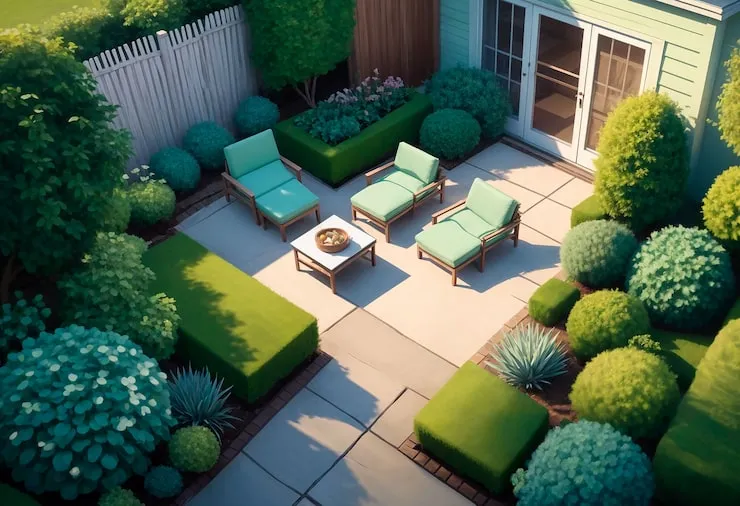
In today’s fast-paced world, finding a little corner of nature in your own home can feel like a dream. But did you know that even the tiniest backyard can be transformed into a thriving, lush garden? With the right techniques, creativity, and a bit of dedication, small spaces can become your personal green sanctuary. In this guide, we’ll explore actionable steps, practical tips, and inspiring ideas to help you convert any compact outdoor area into a flourishing backyard garden.
Why Small Spaces Matter
Before diving into the “how,” it’s essential to understand the “why.” Small backyard gardens offer numerous benefits:
-
Mental Health Boost – Gardening has been proven to reduce stress, increase mindfulness, and elevate overall mood.
-
Sustainable Living – Growing your own herbs, vegetables, and fruits reduces your carbon footprint.
-
Aesthetic Appeal – A well-designed garden can dramatically enhance the beauty and value of your property.
-
Community Engagement – Tiny gardens can inspire neighbors and encourage shared gardening projects.
Even if you have just a balcony, a tiny patio, or a narrow backyard strip, the potential to create a thriving garden exists.
Step 1: Plan and Assess Your Space
The first step in transforming a small backyard is understanding what you have. Here’s how:
-
Measure Your Area – Knowing the exact dimensions will help you choose the right plants, planters, and layouts.
-
Sunlight Analysis – Observe how sunlight moves across your space. Most vegetables need 6–8 hours of sunlight daily, while leafy greens and some herbs can thrive in partial shade.
-
Identify Soil Quality – Conduct a basic soil test to check pH levels and nutrient content. Poor soil can be amended with compost, organic matter, or raised beds.
-
Define Purpose – Decide whether your garden will focus on vegetables, flowers, herbs, or a combination. Clarifying your goals will guide your plant selection and layout.
Step 2: Choose the Right Plants for Tiny Spaces
When space is limited, choosing the right plants is crucial. Opt for species that thrive in compact conditions and provide high yield or visual impact.
Vegetables
-
Cherry Tomatoes – Perfect for vertical growth in pots or hanging baskets.
-
Lettuce and Spinach – Ideal for container gardening; grow fast and harvest continuously.
-
Peppers – Compact, productive, and vibrant in color.
Herbs
-
Basil – Thrives in small pots and offers endless culinary uses.
-
Rosemary – Fragrant, hardy, and perfect for vertical planters.
-
Mint – Fast-growing, but keep it contained to prevent overtaking other plants.
Flowers and Decorative Plants
-
Marigolds – Bright, compact, and pest-repellent.
-
Petunias – Perfect for hanging baskets or railing planters.
-
Succulents – Low maintenance, water-efficient, and excellent for creative arrangements.
Vertical Gardening Options
-
Trellises – Ideal for climbing vegetables like peas or beans.
-
Wall Planters – Utilize vertical wall space to grow herbs or flowers.
-
Hanging Baskets – Perfect for trailing plants and maximizing space.
Step 3: Optimize Your Layout
Small backyard spaces require careful planning to maximize growth and accessibility.
Raised Beds
-
Create defined plots for vegetables or herbs.
-
Helps with soil quality control and reduces weed growth.
-
Can be built to double as seating in ultra-compact areas.
Container Gardening
-
Flexible and portable solution for limited space.
-
Choose containers with proper drainage and mix of soil suited for each plant.
-
Staggered heights create visual interest and improve sunlight access.
Vertical Gardens
-
Transform walls, fences, or even staircases into green canvases.
-
Use modular systems or DIY pocket planters to grow multiple plants vertically.
Companion Planting
-
Combine plants that complement each other to save space and boost yield.
-
Example: Plant basil near tomatoes to enhance flavor and deter pests.
Step 4: Enhance Soil Health
Healthy soil is the foundation of a thriving backyard garden. Even in tiny spaces, you can enrich your soil naturally:
-
Compost – Use kitchen scraps, garden waste, and organic matter to create nutrient-rich compost.
-
Organic Fertilizers – Apply slow-release organic fertilizers to provide essential nutrients without chemical overload.
-
Mulching – Use straw, bark, or leaves to retain moisture, suppress weeds, and regulate soil temperature.
-
Crop Rotation – Rotate crops in the same containers or beds to prevent nutrient depletion and pest buildup.
Step 5: Water Wisely
Water management is critical, especially for small gardens where overwatering can lead to root rot, and underwatering can stress plants.
-
Drip Irrigation – Efficient for containers and raised beds; delivers water directly to the roots.
-
Self-Watering Containers – Great for busy gardeners or areas with inconsistent rainfall.
-
Rainwater Harvesting – Collect rainwater to reduce dependence on tap water and promote sustainability.
Step 6: Add Smart Garden Accessories
Accessories can boost functionality and aesthetics:
-
Garden Lights – Solar-powered lights illuminate pathways and create a cozy ambiance.
-
Trellis Arches – Add structure and allow climbing plants to thrive.
-
Garden Benches – Dual-purpose seating and planting space enhance usability.
-
Reflective Surfaces – Mirrors or light-colored walls can make small spaces feel larger and brighter.
Step 7: Implement Pest Management Naturally
Tiny gardens can attract pests, but chemical pesticides aren’t always ideal. Consider these natural alternatives:
-
Companion Plants – Marigolds, garlic, and basil naturally repel many insects.
-
Neem Oil – Organic solution to control a wide range of pests.
-
Handpicking – Small-scale gardens allow for easy inspection and removal of pests.
-
Beneficial Insects – Ladybugs, lacewings, and bees help maintain ecological balance.
Step 8: Make Gardening a Lifestyle
A thriving backyard garden isn’t just about planting—it’s about cultivating habits and routines:
-
Daily Observation – Check plants for signs of pests, disease, or nutrient deficiencies.
-
Pruning and Harvesting – Encourage healthy growth and prevent overcrowding.
-
Seasonal Planning – Rotate crops according to the season to maintain productivity year-round.
-
Garden Journaling – Keep track of planting dates, growth progress, and yields.
Inspiring Ideas for Tiny Garden Spaces
Even the smallest backyard can become a garden paradise with a little creativity. Here are some ideas to spark inspiration:
-
Balcony Oasis – Use tiered plant stands, hanging baskets, and railing planters to maximize vertical space.
-
Patio Herb Haven – Compact containers with a mix of herbs, paired with a small seating area.
-
Pocket Vegetable Garden – Modular raised beds with companion planting for high yields in minimal space.
-
Miniature Flower Paradise – Mix succulents, marigolds, and trailing petunias for year-round color.
-
Vertical Veggie Wall – A DIY pallet or wall-mounted system growing greens and strawberries efficiently.
SEO Tips for Your Tiny Garden Content
If you’re writing blog posts or promoting your backyard garden online, SEO can help your content reach enthusiasts worldwide. Focus on:
-
Keywords – “Small backyard garden ideas,” “vertical gardening tips,” “compact garden vegetables,” “urban gardening solutions.”
-
Long-Tail Keywords – Target phrases like “how to grow vegetables in a tiny backyard” or “best herbs for small garden spaces.”
-
Image Optimization – Use descriptive filenames and alt text for garden photos.
-
Internal Linking – Link to related gardening guides to improve SEO and user engagement.
-
Engaging Meta Descriptions – Summarize your article in 150–160 characters with a hook that encourages clicks.
Common Challenges and How to Overcome Them
Even the best-laid plans may encounter obstacles. Here’s how to tackle them:
-
Limited Sunlight – Use shade-tolerant plants or reflective surfaces to maximize light exposure.
-
Small Soil Volume – Choose deep containers, raised beds, or vertical systems to increase root space.
-
Pest Infestation – Introduce natural predators, rotate crops, or use organic sprays.
-
Time Constraints – Opt for low-maintenance plants, self-watering systems, and mulching to reduce upkeep.
Success Stories: Tiny Gardens That Thrived
Take inspiration from gardeners who transformed tiny spaces:
-
Urban Balcony Garden – One apartment dweller created a 10-square-foot balcony filled with tomatoes, peppers, and herbs, yielding fresh produce year-round.
-
Alleyway Oasis – A narrow city alley was converted into a vertical vegetable garden using pallets and hanging baskets, doubling green space in a small footprint.
-
Courtyard Flower Haven – A tiny courtyard in a suburban home became a vibrant mix of marigolds, succulents, and climbing roses, attracting pollinators and creating a tranquil retreat.
Final Thoughts: Start Today
The beauty of backyard gardening is that it’s never too late—or too small—to start. By planning carefully, selecting the right plants, optimizing your layout, and practicing sustainable habits, any tiny space can become a flourishing garden.
Remember, gardening is both a science and an art. It’s about experimentation, patience, and joy. Whether you grow your own fresh herbs, enjoy blooming flowers, or create a peaceful retreat, your small backyard can be a thriving oasis. Start now, and watch your tiny space transform into a vibrant, green paradise.