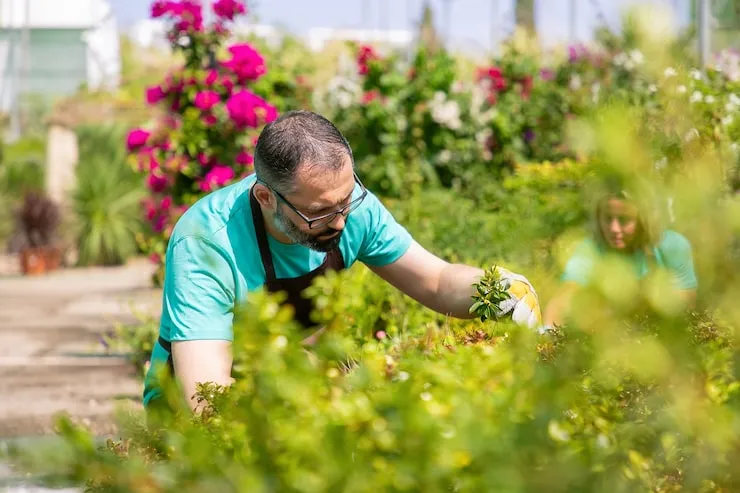
You know the look. The traditional Vegetable Garden Landscaping Tips: a lonely, fenced-off rectangle in the backyard, all straight rows and exposed dirt. It looks like a chore. It feels like a chore.
My friend Ben had that garden. Every spring, he'd till, plant, and weed. By July, it was a weedy, depressing patch he avoided. Then he visited his aunt's place. She had beans climbing an arbor you walked under. Lettuce spilling out of a stone planter by her patio. Tomato plants with marigolds at their feet, tucked right into her flower beds. It wasn't a "vegetable garden." It was just... her yard. And it was gorgeous. He realized the secret: the best Vegetable Garden Landscaping Tips isn't a separate plot you visit. It's part of your living space.
Let's talk about how to make your veggies look like they belong, not like an afterthought.
Start by asking the wrong question
Most people start with: "Where should I put the garden?" That leads to the sad, isolated plot.
Start with: "Where do we spend our time?"
That's your clue. You'll tend to and harvest from the places you already are.
- By the patio? Perfect for herbs in pots, a cherry tomato in a beautiful container, lettuces in a window box.
- Along the path to the garage? Great for a narrow bed of climbing peas or beans on a simple trellis.
- Under the kitchen window? Plant your herbs and salad greens right there. You'll use them more.
The goal is zero steps gardening. If you have to put on shoes and walk 50 feet, you won't do it. If it's right outside the door, you will.
The "front yard" vegetable garden (yes, really)
The biggest landscaping power move is edibles in the front. It doesn't have to look like a farm stand.
The rules for front-yard veggies:
- Focus on aesthetics first, food second. Choose plants that are pretty. Rainbow Swiss chard with neon-colored stems. Purple basil. Red-veined sorrel. "Bright Lights" chard looks like a tropical plant.
- Use structure. A beautiful, waist-high raised bed made of stone or cedar looks intentional. So do large, matching ceramic pots.
- Mix in flowers. Tuck nasturtiums (which are also edible) around the edges. Let parsley flower into delicate white sprays. Plant blue salvia behind your red lettuces.
Your neighbors won't complain about the kale. They'll ask, "What's that beautiful purple plant?"
The hidden structures that do double duty
Forget the flimsy tomato cage. Think of supports as landscape features.
- An arch or arbor over a garden gate or path. Grow pole beans, Malabar spinach, or small squash over it. You walk through a living tunnel.
- A simple wooden trellis attached to a boring fence. Grow cucumbers or snap peas. It becomes a living, green wall.
- A "bean teepee." Use tall bamboo poles, tie them at the top, plant beans at the base. It's a magical hideout for kids (and adults).
These aren't just supports. They're vertical interest. They break up the flatness of your yard.
The container trick that fools everyone
Containers aren't a compromise. They're a strategy.
The key: Go bigger and fewer. One large, beautiful pot looks like landscaping. A dozen small, mismatched pots look cluttered.
- A half-barrel planter: Can hold a small "food forest"—a tomato plant in the center, trailing nasturtiums at the edges, some basil tucked in the middle.
- A long, rectangular "Parisian" planter: Perfect for a salad bar: a row of lettuces, a row of radishes, a row of green onions.
- The "thriller, filler, spiller" method (borrowed from flower gardening):
- Thriller: One tall, striking plant (a pepper plant, a dwarf eggplant).
- Filler: Bushy plants around it (basil, parsley, compact zucchini).
- Spiller: Something that trails over the edge (creeping thyme, oregano, nasturtiums).
Group two or three large, complementary containers by your back door. It looks designed. Because it is.
Borrow the perennial border trick
In fancy flower borders, designers use repetition and layering.
Do the same with edibles.
- The back layer (tall): Sunflowers, corn, pole beans on a trellis.
- The middle layer (medium): Tomatoes (staking them neatly), peppers, okra.
- The front layer (low & edge): Lettuces, spinach, carrots, dwarf marigolds (to deter pests).
Repeat the same plant in groups of three or five along the bed. A drift of five basil plants looks lush. A single plant looks lonely.
The mulch that makes it look finished
Nothing screams "abandoned project" like bare dirt. Mulch is the instant makeover.
Skip the bagged wood chips. Use:
- Straw: Golden, clean, and fantastic for vegetable beds. It breaks down and feeds the soil.
- Shredded leaves: Free in autumn. Run over them with your mower, then spread them. They create a rich, dark look.
- Pine straw: In the south, this gives a tidy, cohesive appearance.
A thick 3-inch layer of mulch makes everything look intentional, suppresses weeds, and holds moisture. It’s the difference between a construction site and a garden.
The lighting that adds magic (and hours)
You won't enjoy your garden if you only see it from 6-8 PM. Simple lighting extends the time you can enjoy it.
- Solar-powered path lights: Stick them along the edge of your raised bed or patio container grouping. They charge by day, glow softly at night.
- Fairy lights: Drape them over an arbor or through a bean teepee. It's magical.
- A single, well-placed spotlight in a tree, aimed down to graze the leaves of your textured chard or feathery dill.
Lighting makes the garden a destination at night. It turns your after-dinner herb harvest into an event.
Start with one "pretty" project this weekend
Don't overhaul the whole yard. You'll burn out.
- Pick one spot you see daily. Your patio step? The blank wall by your driveway?
- Pick one structure. One large, beautiful pot. One simple trellis.
- Pick three pretty plants. One tall, one bushy, one trailing. Make at least two of them edible.
- Plant them. Add mulch. Water them.
- Add one light.
That's it. You've created a vignette. A small, beautiful, productive corner. Next month, you can add another. This is how you transform a yard—not in a weekend, but over a season, with joy instead of dread.
FAQs
Won't vegetables in my front yard look messy?
Not if you treat them like ornamental plants. Choose compact, attractive varieties (like 'Window Box' romaine lettuce), keep them well-mulched and watered, and use defined edges (a raised bed, a stone border). A neat, colorful bed of chard and lettuce looks more intentional than a struggling lawn.
What if I have terrible soil?
This is the best argument for raised beds and containers. You control 100% of the soil. Fill them with a mix of topsoil and compost. It's a fresh start. No digging, no amending, no guesswork.
How do I keep pests away without ugly fences?
Companion planting is your landscaping friend. Marigolds, nasturtiums, and herbs like basil and dill repel pests and look beautiful interplanted with your veggies. For bigger pests (rabbits), a low, black wire mesh fence can be almost invisible when tucked behind fronting plants.
I have a tiny yard/balcony. Can I still do this?
Absolutely. This approach is made for small spaces. Vertical gardening (trellises on walls) and containers are your best tools. A balcony with two large, well-planted containers, a hanging herb basket, and a small vertical trellis for peas can be more productive and beautiful than a large, neglected plot.
What are the easiest "pretty" vegetables to start with?
- Swiss Chard ('Bright Lights'): Gorgeous rainbow stems, virtually pest-proof.
- Lettuce (loose-leaf varieties like 'Oakleaf' or 'Lollo Rossa'): Frilly, colorful, you can cut-and-come-again.
- Basil ('Purple Ruffles' or 'Genovese'): Beautiful foliage, essential smell.
- Nasturtiums: Edible flowers that spill over edges, vibrant colors.
- Peppers (especially ornamental or small-fruited varieties): Glossy leaves, cute fruits.
How much time does a landscaped veggie garden take?
Less than you think, because it's integrated. Spending five minutes watering your patio pots while your coffee brews is easy. Weeding a small, mulched raised bed you pass every day takes 10 minutes a week. The integrated approach removes the "big project" feeling and turns maintenance into small, daily touches.