In an era defined by rapid urbanization, bustling streets, and soaring skyscrapers, it’s easy to feel disconnected from nature. Yet, as more than half of the world’s population now lives in cities, the need to reconnect with the Earth — and grow our own food — has never been more vital. Enter urban agriculture: the art and science of cultivating plants and raising animals within and around cities. This is not simply a trend — it’s a powerful movement reshaping city spaces, enhancing food security, improving environmental health, and fostering community resilience.
Whether you live in a high-rise apartment, townhouse, or suburban neighborhood, urban agriculture offers accessible, creative ways to grow food and green your surroundings. In this blog, we’ll explore transformative tips and ideas to help you cultivate thriving urban gardens — turning overlooked city spaces into lush, productive ecosystems.
What Is Urban Agriculture And Why It Matters?
Urban agriculture includes a variety of practices like container gardening, rooftop farms, vertical gardens, community plots, hydroponics, and even small-scale poultry or bee keeping.
The Significance of Urban Agriculture
Urban agriculture matters for many reasons:
-
Food Security: In many cities, access to fresh produce is limited. Urban gardens bring food production close to the people who need it most.
-
Environmental Benefits: Plants improve air quality, absorb carbon dioxide, reduce heat islands, and support biodiversity.
-
Mental and Physical Health: Gardening reduces stress, encourages physical activity, and promotes healthier diets.
-
Community Building: Shared gardening spaces foster collaboration, education, and cultural exchange.
-
Economic Opportunity: Small-scale agriculture can produce surplus food for sale, stimulating local markets.
Urban agriculture transforms concrete jungles into green havens where nature and community thrive.
1. Start Small: Make the Most of Limited Space
Balconies, Windowsills, and Patios
Not all city dwellers have access to open land, but everyone has some space — a balcony railing, a sunny windowsill, or a doorstep. These small areas can become productive micro-gardens.
Tips for small space gardening:
-
Use stackable planters or hanging baskets to maximize vertical space.
-
Choose compact crops like herbs (basil, mint), leafy greens (spinach, lettuce), chili peppers, or cherry tomatoes.
-
Place containers where they receive adequate sunlight — most vegetables require 6–8 hours of sun daily.
Even a few pots can yield fresh herbs for your kitchen and beautify your home.
2. Go Vertical: Grow Upward Instead of Outward
When horizontal space is limited, go vertical!
Vertical agriculture techniques include:
-
Trellises and climbing supports for cucumbers, beans, peas, and squash.
-
Wall-mounted planters and pocket gardens for herbs and flowers.
-
Pallet gardens that repurpose old wooden pallets for multiple levels of planting.
Vertical gardens not only optimize space but also add living art to urban walls and balconies. They are perfect for small urban apartments where floor space is precious.
3. Transform Rooftops into Green Havens
City rooftops are often unused expanses of concrete — but they hold vast potential as agricultural spaces. Rooftop gardens and farms can help:
-
Reduce roofing heat absorption, lowering building cooling costs.
-
Manage stormwater runoff by absorbing rainfall.
-
Beautify urban skylines with greenery.
You don’t need a huge rooftop to get started. Even small rooftop boxes or raised beds can grow herbs, leafy greens, and compact vegetable varieties.
Tips for rooftop gardening:
-
Ensure structural safety — consult building management.
-
Use lightweight, modular planters to reduce weight stress.
-
Invest in irrigation systems to maintain moisture in hot, windy conditions.
-
Consider shade nets to protect plants from intense sun.
Many cities now support rooftop agriculture through incentives and workshops — check local programs.
4. Embrace Community Gardens
Community gardens are shared spaces where neighbors come together to grow food, flowers, and friendship. These plots can be found in parks, vacant lots, schools, and residential complexes.
Advantages of Community Gardens
-
Shared knowledge and labor — everyone learns and contributes.
-
A sense of collective ownership and pride.
-
Opportunities for local events, workshops, and seed exchanges.
-
Social integration across age groups, cultures, and backgrounds.
If your city doesn’t have a community garden yet, you might start one! Begin by connecting with neighbors, local organizations, and city officials to identify a suitable space. Community gardens transform neighborhoods — not just physically, but socially.
5. Try Hydroponics and Aquaponics
Traditional soil gardening isn’t the only way to grow food in cities. Hydroponics and aquaponics are innovative soilless systems that are ideal for urban spaces.
Hydroponics
Plants grow in nutrient-rich water instead of soil. Advantages:
-
Faster plant growth.
-
Less water usage compared to traditional soil gardening.
-
Perfect for indoors or balconies.
Aquaponics
A symbiotic system combining fish farming (aquaculture) and hydroponics:
-
Fish waste provides nutrients for plants.
-
Plants clean the water, which returns to the fish.
-
Great for leafy greens, herbs, and tilapia or other small fish.
These systems can be DIY or purchased as kits, and they bring futuristic, efficient farming right into apartments or rooftop spaces.
6. Grow Edible Landscapes — Not Just Gardens
Urban agriculture doesn’t have to be confined to rows of vegetables. Think of edible landscapes — where ornamental plants and food crops coexist.
Examples of edible landscapes:
-
Fruit trees lining sidewalks or pathways.
-
Berry bushes as natural hedges.
-
Edible flowers and herbs integrated into design beds.
-
Greens planted under shade trees.
This approach blends beauty and utility, making city spaces both attractive and productive.
7. Harvest the Power of Pollinators
Pollinators like bees, butterflies, and birds are vital to food production. Even in cities, you can support pollinators:
-
Plant nectar-rich flowers like marigolds, cosmos, lavender, and zinnias.
-
Install bee hotels to provide shelter for native pollinators.
-
Avoid pesticides that harm beneficial insects.
Pollinator-friendly gardens increase yields of fruits and vegetables while adding vibrant life to urban green spaces.
8. Compost and Recycle Organic Waste
One genius way to sustain urban agriculture is by composting. Instead of throwing food scraps away, turn them into nutrient-rich compost.
Easy composting methods for city dwellers:
-
Bokashi bins — famous for small spaces and apartment use.
-
Vermicomposting — using worms to break down kitchen waste.
-
Community compost hubs — if available in your city.
Compost enriches soil, reduces waste, and closes the loop between consumption and growth.
9. Utilize Tech Tools for Smarter Gardening
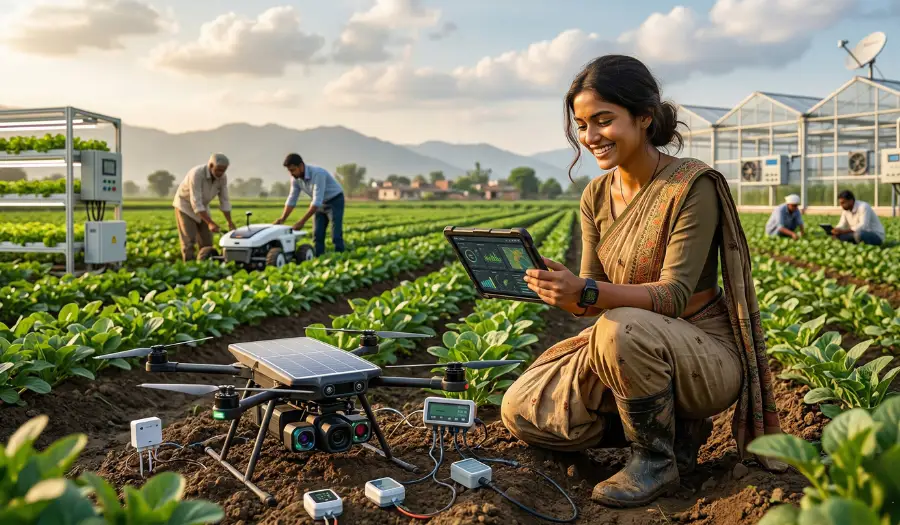
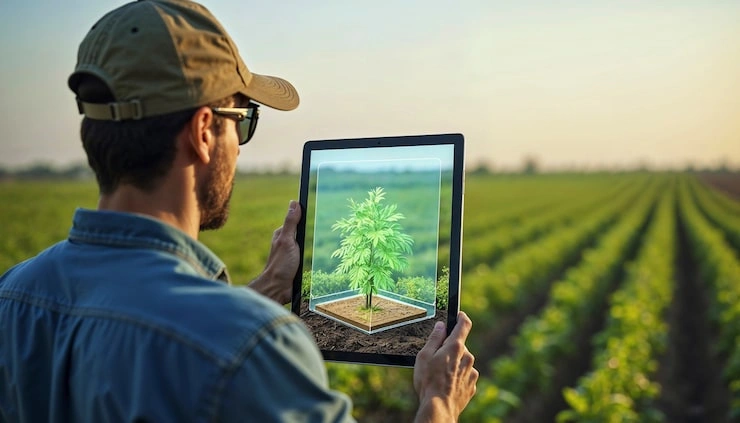
Urban agriculture can be high-tech too. Technology enhances productivity and convenience.
Useful tech tools include:
-
Smart sensors that monitor soil moisture and light.
-
Automatic drip irrigation systems.
-
Mobile apps that give reminders for watering and fertilizing.
-
LED grow lights for indoor and low-light conditions.
Tech doesn’t replace nature — it empowers you to grow smart and sustainably.
10. Advocate for Urban Farming Policies
Transforming city spaces is not just a personal journey — it’s a political one. Urban agriculture thrives when supported by policy.
Ways to advocate:
-
Push for zoning changes that permit urban farms.
-
Encourage incentive programs for rooftop and community gardens.
-
Work with local councils on green space planning and food access initiatives.
-
Support school and municipal gardens.
When cities value green spaces, they prioritize community well-being, environmental health, and equity in access to fresh food.
Real Stories: Urban Agriculture in Action
Across the globe, cities are already embracing urban agriculture:
-
New York’s rooftop farms produce thousands of pounds of fresh greens annually.
-
Tokyo’s vertical gardens turn office walls into edible landscapes.
-
Havana, Cuba’s urban farms feed entire neighborhoods.
-
Barcelona’s community gardens bring neighbors together in shared plots.
These living examples show how urban agriculture can flourish — regardless of climate, culture, or city size.
Challenges — and How to Overcome Them
Urban gardening isn’t without challenges:
-
Limited space — solved through vertical solutions and creative planting.
-
Pollution concerns — use raised beds with clean soil and monitor air quality.
-
Water access — install rain barrels and efficient irrigation.
-
Cost barriers — start with low-cost DIY systems; join community groups to share resources.
With innovation and collaboration, obstacles become opportunities.
Final Thoughts: Cultivating a Greener City Life
Urban agriculture is more than planting seeds — it’s about planting ideas. It’s about transforming spaces once dominated by concrete and steel into thriving ecosystems where communities grow together.
Whether you’re tending a few balcony pots or helping launch a community garden, the impact ripples outward — improving food access, breathing life into neighborhoods, and reminding us all that nature belongs in our cities.
So take a deep breath, grab a gardening tool, and let’s grow a greener future — one city block at a time.