Let's talk about saving money. It sounds hard, right? Sometimes it feels like money just disappears. The secret isn't about making huge changes overnight. It's about smart, simple habits that add up to big savings. This guide will walk through practical, everyday methods to build a stronger financial future. The best part? These methods don't require giving up everything you love.
Ready to explore some powerful money-saving techniques? Bank-breaking strategies inside are simpler than you think.
Understanding Your Money Flow: Where Does It All Go?
You cannot save what you do not track. The first step to saving is understanding your spending. Think of your money like water in a pipe. If there are leaks, you lose water. Small leaks can empty the tank over time.
Tracking daily expenses is the best way to find those "money leaks." For one week, write down every single purchase. That includes the morning coffee, the snack from the vending machine, and the small online subscription. You might be surprised. Seeing it on paper shows the true story of your spending habits.
This isn't about guilt. It's about awareness. Once you know where your money goes, you can make a plan. This is called a personal budget plan. A budget is just a plan for your money. It tells your money where to go, so you don't wonder where it went.
Smart Budgeting: Your Blueprint for Financial Success
A budget doesn't have to be complicated. A simple method is the 50/30/20 rule. It's a simple savings formula anyone can follow.
-
50% for Needs: This is for things you must pay: rent, groceries, utilities, and basic transportation.
-
30% for Wants: This is for fun things: movies, dining out, hobbies, and new clothes.
-
20% for Savings & Debt: This part is crucial. This money goes straight to your future financial safety net and paying off any debt.
This rule is a guide. It helps you balance your spending and saving without feeling deprived.
Powerful Tools to Crush Your Spending Goals
You don't need a fancy spreadsheet. Use what works for you.
-
The Envelope System: This is a cash-based budgeting method. Label envelopes for categories like "Groceries," "Gas," and "Entertainment." Put the cash you budgeted for the week or month in each envelope. When the envelope is empty, you stop spending in that category. It’s a visual and physical way to control spending.
-
Budgeting Apps: Many free apps connect to your bank account. They automatically sort your purchases. This makes tracking daily expenses almost effortless. They show you colorful charts of your spending patterns.
Cutting Costs Without the Sacrifice
Saving money doesn't mean living without joy. It means being clever with your choices. Here are frugal living ideas that make a big difference.
Transforming Your Grocery Bill
Food is a major expense. Small changes here lead to huge savings.
-
Plan Your Meals: Before shopping, make a weekly meal plan. Check what you already have. Then, make a list and stick to it. This avoids buying things you don't need.
-
Love Your Leftovers: Cook larger portions. Eat leftovers for lunch. This is cheaper and healthier than buying lunch out.
-
Store Brands are Friends: Try the store brand. Often, the quality is the same as the name brand, but the price is much lower. This is an easy way to reduce monthly bills.
Slashing Subscription and Utility Costs
Small monthly fees add up to a huge yearly total.
-
The Subscription Audit: Look at all your subscriptions: TV, music, apps, magazines. Do you use them all? Cancel any you haven't used in the last month. This is stopping silent budget drains.
-
Utility Savings: Turn off lights when you leave a room. Unplug chargers when not in use. Use a programmable thermostat. These tiny actions lower your monthly utility expenses.
-
Negotiate Your Bills: Call your internet, phone, or insurance company. Ask, "Are there any current promotions or discounts I qualify for?" Often, they will find a way to lower your bill to keep you as a customer.
Building Your Savings Muscle
Saving is a habit. Make it automatic and easy.
-
Pay Yourself First: On payday, move money to savings before you pay any bills. Even a small amount, like $20, counts. This ensures saving happens.
-
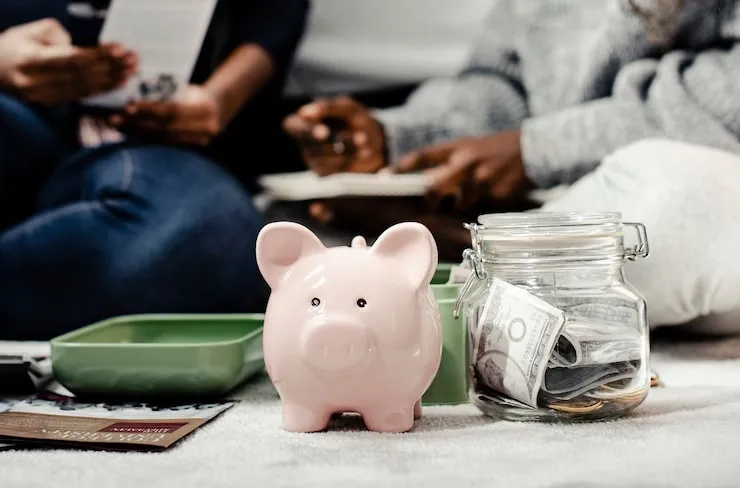
The Change Jar: At the end of each day, put your physical coins in a jar. You won't miss them. Watch it grow over months. It's a fun, visual savings growth method.
-
The 24-Hour Rule: For any non-essential item you want to buy online, wait 24 hours. If you still want it after a day, then consider it. This stops impulse buys and helps prevent unnecessary spending.
Bank-Breaking Strategies Inside: Turning Habits into Wealth
The true bank-breaking strategies inside your routine are about consistency. It's the small, daily decisions that build massive results over time. It’s not one big action, but hundreds of small ones.
Mindset Shifts for Long-Term Success
-
Value Over Price: Ask, "What is the value per use?" A $100 pair of shoes worn 200 times costs 50 cents per use. A $20 pair worn 5 times costs $4 per use. The $100 shoes are the better value.
-
Experiences Over Things: Often, spending money on a fun experience, like a hike or a game night with friends, creates longer happiness than a new gadget. This aligns with intelligent spending habits.
-
Celebrate Small Wins: Saved $50 this month on groceries? That's amazing! Put that $50 in savings and feel proud. Positive reinforcement makes the habit stick.
Conclusion: Your Journey Starts Today
Building strong money management skills is a journey, not a race. You now have a toolkit of bank-breaking strategies inside this guide. Start with one step. Track your spending for a week. Try the envelope system for groceries. Cancel one unused subscription.
Each small step is progress. Over time, these steps become habits. Those habits build security, reduce stress, and create freedom. Your future self will thank you for starting today.
Frequently Asked Questions
Q: I don't make much money. Can I still save?
A: Absolutely. Start incredibly small. Save $5 a week. The goal is to build the habit. As your habit strengthens, you'll find ways to save a little more.
Q: What's the best place to keep my savings?
A: Start with a separate savings account at your bank. This keeps it away from your spending money. For long-term goals, explore options like high-yield savings accounts which pay you a little more interest.
Q: How do I stay motivated to save?
A: Set a specific, fun goal! Are you saving for a new bike? A video game? A trip? Tape a picture of it to your fridge. Watching your savings grow toward something exciting is the best motivation.
Q: Is it wrong to spend money on things I enjoy?
A: No! Your budget has a category for "wants" for a reason. Life is to be enjoyed. The key is to plan for that fun spending so it doesn't derail your important savings goals.