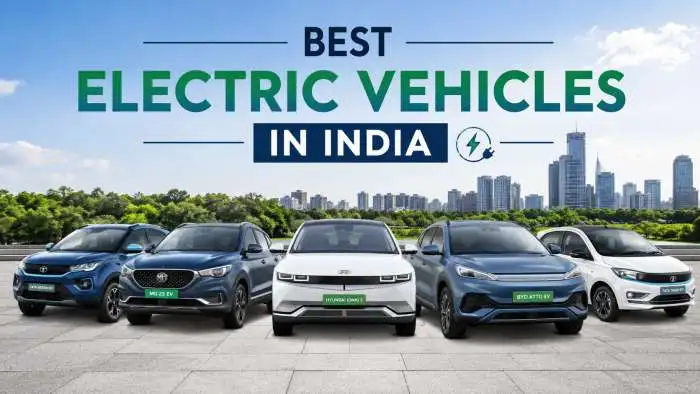
The best electric vehicles in india include top-rated models like the Tata Tiago EV, Tata Punch EV, and MG Windsor EV, which lead the market with prices starting from 5.84 Lakh up to 18 Lakh for mainstream models. Based on real-world test drives and highway testing data, buyers get the finest blend of long range, battery safety, and fast charging speeds. Finding the right battery-powered car depends entirely on your daily driving requirements, domestic charging accessibility, and exact budget.
Our Real-World Electric Vehicle Testing Experience
Let's just drop the boring showroom sales talk entirely. The big switch over to clean transport across Indian towns is happening fast, but you cannot figure out the right EV by just staring at numbers on a page. Our testing crew spent a full year using these exact machines every single day.
We didn't just crawl around clean, empty test loops either. We took them right into messy Mumbai jams during crazy rainstorms, sat through creeping midday Delhi heat waves, and forced them up rough, winding mountain tracks up north. Doing all this heavy driving gave us the honest truth about highway mileage and actual battery filling speeds.
We found out fast that real road numbers look nothing like official lab reports. It sounds weird, but bad bumper-to-bumper city jams actually help save your battery power. Every single time you let off the gas pedal in a slow line, the motor brakes pull the car back and dump that extra momentum right back into the main cell.
On the flip side, trying to maintain fast cruising speeds on an open toll road empties your fuel cells much faster than you would think. Our group spent weeks looking at tiny trim gaps, center screen loading lags, and seat cushioning to help you put your money in a good spot.
You may also read :- Top Safest Cars In India 2026: 5-Star Bharat NCAP Ratings
Top Recommendations: The Best Electric Vehicles in India
Hunting down a great battery ride means looking right past the glossy paint to check the actual cell sizes, crash test results, and true cabin storage room. You can't just pick the car that looks brightest on an Instagram post. The local car space finally has some reliable picks for daily office runs and weekend family trips. Let's look at the options doing the heavy lifting on Indian roads right now.
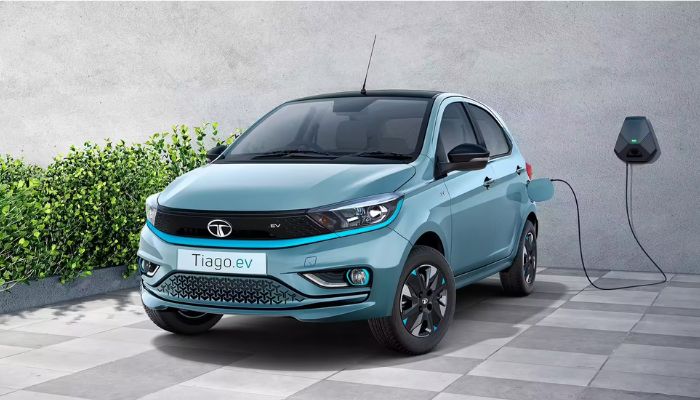
Tata Tiago EV: The Ultimate Compact City Hatchback
The Tata Tiago EV stands out as the most practical choice for navigating cramped urban neighborhoods. If your normal route involves pushing through narrow bazaar lanes and avoiding chaotic bikes, this tiny car fits the bill. It gives you a small shape that makes tight parking jobs simple, but the interior stays quiet and steady when you get moving.
You get an official driving range between 221 km and 275 km depending on the battery size you purchase. Tata sells the car with either a smaller 19.2 kWh setup or a heavier 24 kWh version. If you hook it up to a proper public DC fast charger, you can pump the cells from 10% up to 80% in about 58 minutes flat.
Tata Punch EV: The Rugged Compact SUV
The Tata Punch EV is built like a proper little SUV, and that high ground clearance means you won't have to wince every time you hit a massive pothole or a ruined stretch of city road. Driving it feels reassuringly solid. You sit up nice and high, looking right over traffic, so when you see a nasty patch of broken road ahead, you can just drive right through it with total confidence.
This model claims a catalog range between 315 km and 421 km. Inside the seating area, they packed in a bright 10.25-inch center display, air-cooled front seats for sticky summer days, and adjustable brake regen modes. More importantly, it rides on a fresh electric base framework that scores very high on metal safety.
MG Windsor EV: Spacious and Comfortable Premium Crossover
The MG Windsor EV focuses on premium rear-seat comfort and massive cabin volume. They went with these cool, deeply tilting back seats that feel more like a plush living room chair than a basic car bench, making it a stellar fit for families traveling with huge suitcases. It rolls smoothly over bumps and keeps everyone calm on long intercity stretches.
The car brand promises up to 331 km on one full charge cycle. You also get a massive 604-liter trunk space that hides giant bags without any struggle. The front dash looks totally clean because they stuck a giant touch monitor right in the middle to handle almost every single switch inside the cabin.
Market Analysis: Best Electric Vehicles in India with Price
To keep your wallet in good shape, you must look at the ex-showroom costs right next to actual battery storage specs. No one wants to deal with sudden price shocks when signing final buying papers at the desk. This list shows the current cost details for the most reliable clean-energy cars out on the market today.
| Car Model | Battery Capacity | Official Range | Ex-Showroom Price Range |
| Tata Tiago EV | 19.2 kWh / 24 kWh | 221 - 275 km | 5.84 Lakh - 9.99 Lakh |
| MG Comet EV | 17.3 kWh | 230 km | 7.60 Lakh - 9.73 Lakh |
| Tata Punch EV | 25 kWh / 35 kWh | 315 - 421 km | 9.69 Lakh - 12.59 Lakh |
| MG Windsor EV | 38 kWh | 331 km | 14.10 Lakh - 18.60 Lakh |
| Tata Nexon EV | 30 kWh / 45 kWh | 325 - 465 km | 12.49 Lakh - 17.49 Lakh |
Financial Tip: State government cash play and local road tax laws change completely depending on your address. Make sure you talk to a local shop manager about regional registration discounts before settling on your final numbers. Some states save you a huge pile of money.
Budget Options: Electric Cars in India Under 5 Lakhs
Lots of green buyers want to track down electric cars in India under 5 lakhs to keep their initial down payments low. They really want to hop onto the clean power wave without spending a massive fortune. Right now, no mainstream manufacturer sells a full-sized electric car inside that exactprice bracket because assembling lithium-ion battery blocks still takes too much cash.
Even so, the car industry is working to fix this entry problem using two different routes:
- Battery-as-a-Service (BaaS) Frameworks: Companies like MG let you buy just the metal car frame at a cheaper initial price, and then you lease the battery pack separately via a monthly subscription or a set per-kilometer charge. This drags the showroom entry barrier down a whole lot.
- Quadricycles and Micro-EVs: Tiny two-seater commuter pods made just for quick grocery runs are moving through road tests now. These focus strictly on low-speed local neighborhood trips rather than highway travel.
Expert Purchasing Advice: Key Elements to Check Before Buying
Upgrading to a plug-in car means looking at operational details that have nothing to do with old-school petrol cars. Our testing team learned that three main things make or break your daily ownership experience:
1. Home Charging Installation and Setup
Think about it—most of your charging happens overnight while you are fast asleep. Before signing anything, walk down to your parking spot and check for a heavy-duty 15-amp three-pin socket nearby. If you want a faster 7.2 kW wall box, see if there is enough clean wall space to mount it. Also, if you live in a high-rise society, do not hand over your booking money until you get a clear, written NOC (No Objection Certificate) from your building committee.
2. Real-World Driving Range vs. Official Claims
Forget the lab numbers on the glossy brochure—you will never see them in real life. The second you turn the AC to full blast and get stuck in a nasty, crawling city traffic jam, expect your true mileage to tank by 25% to 30%. When you are shopping around, pick a vehicle that packs enough real-world juice to clear your longest daily office commute twice over. You do not want to be sweating over an empty battery before finding a plug.
3. Public Highway Fast Charging Infrastructure
If you are planning to take the car out of town for a weekend road trip, do your homework on the highway chargers before packing your bags. Fire up phone apps like Zeon, Statiq, or Tata Power EZ Charge to check if those specific plugs are up and running, and read the latest rants or updates from other owners. Coming across a broken, dead charger on a pitch-black highway will ruin your entire trip plan in seconds.
Big Electric Car Launches for 2026
The Indian electric vehicle space has some major new options coming out over the next few months. Brands are fixing old bugs, upgrading software systems, and packing in more robust battery packs.
| 2026 Expected EV Arrivals | |
|---|---|
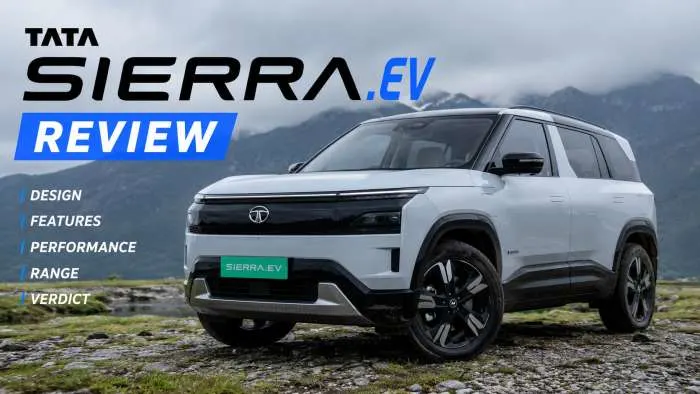
Tata Sierra EV
|
Maruti Suzuki e-Vitara
|
- Maruti Suzuki e Vitara: The very first native electric SUV from India's largest automaker features a generous battery setup and an optional 4WD version for keeping grip on slippery roads. This launch will likely flip the mass-market EV game upside down.
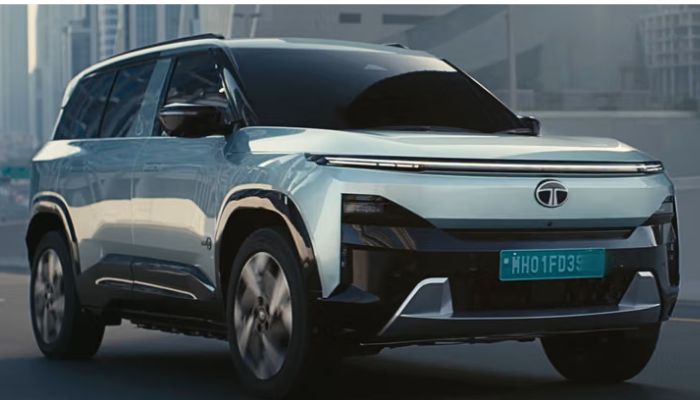
- Tata Sierra EV: A high-end rebuild of a legendary Indian SUV model name that puts all the focus on spacious lounge-style back seats and smart safety assist tech. It looks sharp and plays on old-school nostalgia with modern parts underneath.
Frequently Asked Questions
How many years do these EV batteries actually last in India?
Look, most car companies give you a solid 8-year or 1,60,000 km warranty right out of the gate. Modern cars here mostly use LFP cells, which are tough as nails and don't mind the crazy summer heat. You can easily expect the battery to chip away for 10 to 12 years before you notice any real drop in how far it drives.
What is the actual electricity bill impact of charging at home?
It is incredibly cheap. If you are topping up a standard 24 kWh battery using your regular home power meter, it costs around 150 to 250 total. The exact math depends on your local state electricity slabs, but honestly, it feels like spare pocket change compared to buying a full tank of petrol.
Will I end up spending a fortune on regular servicing?
Not at all, it's actually the opposite. These cars have no complex engine oil, no spark plugs, no fuel filters, and no exhaust pipes to worry about. There are barely any moving parts under the hood to break down, so your regular garage visits usually just involve basic tire rotations and cabin filter cleanups.
Is it safe to plug in the car while it's pouring rain outside?
Yes, totally fine. Don't worry, you won't get a shock. The charging guns and the car's socket have heavy, thick rubber seals that block water instantly. Plus, the internal software is smart—it keeps the electricity completely turned off until the plug is 100% locked into the car and confirms everything is bone dry.