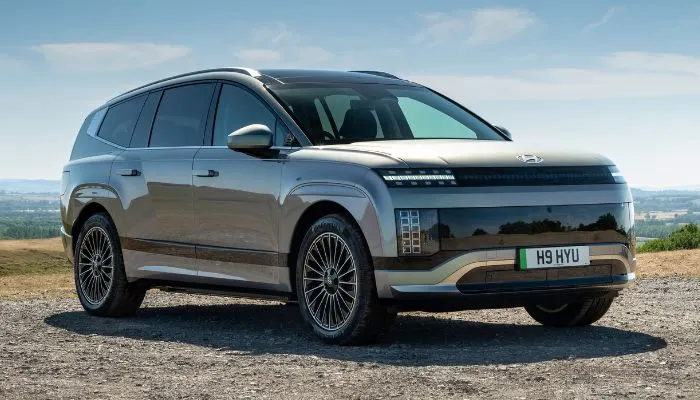
Imagine a day when the Ranchi, Jamshedpur, and Dhanbad streets are full of silent clean electric cars. This is the future that is coming to Jharkhand. Electric vehicles are on a revolution in the state. The number of people who are opting to use EVs is increasing day by day. This is a positive transformation to our environment and economy.
Electric mobility is directly taking off in Jharkhand. The sales of EVs increased by 23 percent year-over-year in January 2025 in this state. This was higher than the national average growth of 17%. It indicates that Jharkhand is rapidly catching with other Indian states in a race over EV.
This paper shall look at how Jharkhand is on its way to an electrical future. We will examine the statistics of the EV boom in Jharkhand. We shall look into the role of the government in terms of policies. We will confirm the increasing EV charging infrastructure. And we will view how the state is turning to be a concentration of EV manufacturing plants.
Understanding the EV Boom in Jharkhand
What is the EV Boom?
EV boom refers to the sudden growth of the use of electric vehicles. It entails increased purchasing by people of EVs. It involves the establishment of additional charging stations. It is characterized by the companies producing EV parts and batteries. All these changes are taking place in Jharkhand.
There have been highs and lows in the EV rate of adoption in Jharkhand. Still, the general tendency is favorable. As of August 2024, the state had 62,837 registered electric vehicles. The story of the increase in sales is the exciting one. Jharkhand is registering a 54.38 percent growth in EV sales in 2023. This compared to the national average of 49.25% that was better.
Why is Jharkhand Focusing on Electric Mobility?
Jharkhand can have a good rationale to promote the adoption of electric mobility:
- Environmental Benefits: EVs do not have any tailpipe emissions. It suggests cleaner air within our cities. This is significant to our health.
- Economic Opportunities: Jharkhand is a place with good mineral deposits. Lithium, manganese and graphite are some of the critical minerals in the state. EV batteries are made using these. This provides mining employment and manufacturing.
- Energy Independence: Jharkhand will be able to work with its own electricity to operate vehicles. This eliminates the importation of oil elsewhere.
You may also read :- Electric Vehicle Trends in Assam 2025: Driving the Future
The Current State of EV Adoption in Jharkhand
EV Sales Are Growing Fast
The figures indicate the apparent EV boom in Jharkhand. The state sold 2,086 EV units in January 2025. This represented a huge growth compared to January 2024 when it was at 1,696 units.
Segment-Wise Adoption Patterns
Various vehicles of electric nature are developing at a varying pace in Jharkhand:
- Electric Two-Wheelers: This industry is expanding at an extremely rapid pace. In January 2025, sales grew by 74.09 percent in comparison to January 2024. This is attributed to the fact that electric scooters are getting cheaper. They are also less expensive to operate as compared to petrol bikes.
- Electric Three-Wheelers: This is an already high adoption segment. Three-wheelers recorded 58% EV penetration in the financial year 2024-25. This is in addition to the fact that over 50 percent of new three-wheelers were sold as electric. The popularity of e-rickshaws is due to the fact that they are less expensive to run.
- Electric Four-Wheelers: Cars are becoming sluggish compared to other segments. As of August 2024 only 1,475 electric four-wheelers had been sold in Jharkhand. This is due to the fact that electric cars are still costly. Concerns also exist regarding the issue of charging them on long trips.
Government Initiatives: Driving the EV Boom in Jharkhand
Jharkhand EV Policy 2022
Jharkand EV Policy 2022 is a state government initiative to enhance electric mobility. The objective of this policy is clear: to become a desired destination in the manufacture of EV in Eastern India through Jharkhand. The policy is well incentivised and has targets in mind.
Key Targets of the Policy
The Jharkhand EV Policy has ambitious targets up to the year 2027:
- Hit 10% of the electric vehicles in new vehicle registrations.
- Categories targets: 10 percent in the case of two-wheelers, 20 percent in three-wheelers and 10 percent in four-wheelers.
- Start up projects on production of advanced chemistry cell (ACC) batteries.
- Establish an EV center of excellence together with industry and academic collaborators.
Incentives for EV Buyers
There are financial incentives provided by the government to make people purchase EVs:
- Two-wheelers: 5000/kWh to 100000 on the first 100,000 vehicles.
- Three wheelers: 5000/kWh and 30000 first 15000 vehicles.
- Four wheelers: 5000/kWh to 150,000 on the initial 10,000 units.
- Exemption on road tax of vehicles manufactured in the state.
- Interest-free loans to first-time EV purchasers of state government employees.
EV Manufacturing Plants in Jharkhand
Jharkhand's Potential in EV Manufacturing
Jharkhand enjoys the large opportunity in the production of EV due to its minerals. India itself has the largest percentage of 12 critical minerals such as lithium, copper, and graphite. These minerals are the key to the preparation of EV batteries.
The industrial zones that can be used to make EV already exist in the state. Adityapur auto cluster of Jamshedpur has more than 800 auto ancillary units. These factories can begin producing components of electric cars.
Major Developments in EV Manufacturing
Tesla Group's Proposed Battery Factory
A GIGA factory is proposed to be established in Jharkhand at the Tesla Group (located in Czechoslovakia) in a very welcome development. This plant would produce commercial and industrial batteries storage products.
The plant would be a second assembly plant in the world following that of Romania by the group. This indicates that foreign firms are interested in Jharkhand to manufacture EV.
The Future of EV Boom in Jharkhand
Emerging Opportunities
The electric mobility in Jharkhand has many opportunities in its future:
- Battery Manufacturing: Jharkhand has the potential to emerge as a battery making centre owing to the mineral resources they possess. This would generate employment and benefit the economy.
- Job Creation: e-mobility will provide several new jobs. These will be in production, maintenance, charging systems and software development of EV technologies.
- EVs can be charged using solar energy in Jharkhand. The charging stations that are powered by solar energy would help to lower the load on the grid and charge cleaner.
Projections and Trends
By 2027, Jharkhand will strive to have 10% EV in the registration of new vehicles.
It is believed that the sales of electric two-wheeler will keep growing with the introduction of cheaper models.
- Three wheelers will probably keep up the high EV adoption because they will have reduced operational costs.
- The electric four-wheelers are to grow in a faster pace with the expansion of the charging infrastructure.
The Road Ahead: What Has to Happen
In order to keep the EV boom in Jharkhand, a few things should occur:
- The EV Policy 2022 needs to be implemented by the government on a consistent basis.
- The infrastructure should be extended to rural regions and highways.
- People need to be educated through awareness campaigns about the advantages of EVs.
- The current workers should receive skills development programs to train them to work in the EV industry.
- The upgrade of the grid must be made to provide stable power to EV charging.
Conclusion: Jharkhand Electric Future is bright
Jharkhand is in the electric future on a promising path. The EV boom in Jharkhand is a fact and it is on the rise. The sales have grown remarkably in the state. A conducive policy has been established by the government. Infrastructure infrastructure is growing. And the state can be developed tremendously in EV production.
Electric mobility will have numerous advantages. It will also make the environment cleaner and with quality air. It will create employment in the manufacturing and maintenance. It will decrease reliance on imported oil. And it will make Jharkhand a frontrunner in the green transition of India.
Each of the electric automobiles in the streets of Jharkhand makes the world a healthier place. With the increasing adoption of EVs, we are going towards a sustainable future. The EV boom in Jharkhand is not only about technology, it is about constructing a better life of all of the residents.
Frequently Asked Questions: EV Boom in Jharkhand
What is the existing rate of EV adoption in Jharkhand?
By August 2024, the total rate of EV in Jharkhand was 1.30%. This however depends on the type of vehicle. Three-wheelers have the highest penetration of EVs at 58, followed by 2% penetration of two-wheelers and four-wheelers. The rate of adoption is accelerating and in January 2025, the state registered 23% annual increase in EV sales.
What is the number of charging stations in Jharkhand?
There were 256 public charging stations in Jharkhand in August 2024. It implies that every 245 EVs in the state have about 1 charging station. The majority of charging stations are situated in the large cities such as Ranchi, Dhanbad and Jamshedpur.
What are the incentives to purchase an EV in Jharkhand?
The Jharkhand EV Policy 2022 has a number of incentives:
- To support battery size: 2-wheelers 10,000, 3-wheelers 30,000 and 4-wheelers 150,000.
- Tax exemption on road tax on cars made in the state.
- Free interest loan on the purchase of the state government employees who buy their first EV.
Jharkhand will be receiving an EV battery factory?
Yea, the Tesla Group headquartered in Czechoslovakia has offered to establish a GIGA plant in Jharkhand. This plant would produce commercial and industrial battery storage goods. The second such facility in the whole world that are run by the group would have been opened in Romania, had this been realized.
Which EV is the most popular in Jharkhand?
Three-wheelers are the most sought-after electrically powered with 38,357 vehicles sold by August 2024. Two-wheelers are the fastest growing segment with sales increasing by 74.09% in January 2025 than the year before. Electric cars are increasing at a slower pace with only 1,475 units sold by August 2024.