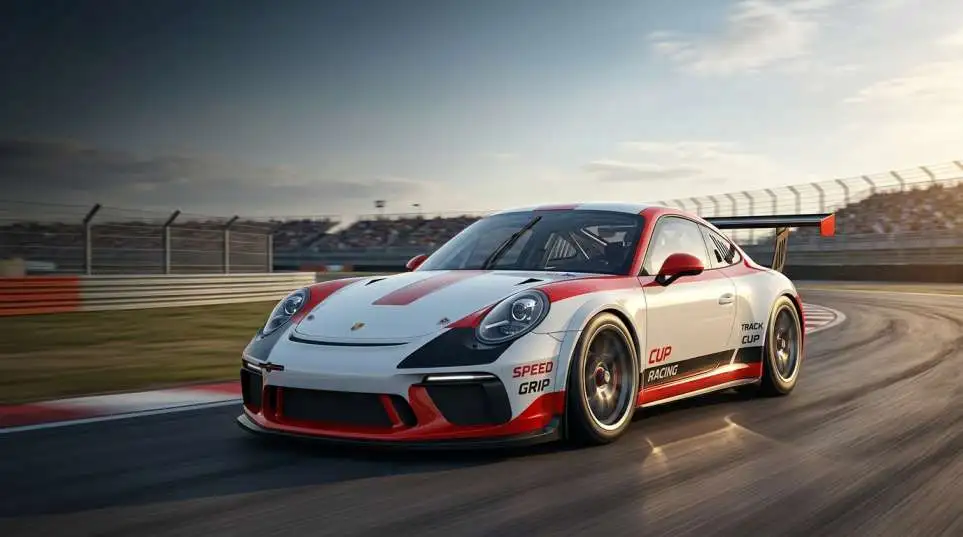
Here is the deal. The Porsche 911 cup car is a race car that Porsche sells to anyone with a checkbook and a competition license. It is based on the 911 GT3. But if you think that means it is just a GT3 with stickers, you are way off.
Porsche takes the body shell, welds in a cage, throws out everything heavy, and builds an engine that screams to nearly 9,000 rpm. It makes 520 horsepower. It weighs about 2,800 pounds. And it will scare you the first time you really push it.
Let's Talk About the Porsche 911 Cup Car Price Because Everyone Asks
People always lead with this question. How much? I get it. Racing is expensive and you want to know if this is even in your universe.
The Sticker Shock on a New One
If you walk into Porsche Motorsport today and order a 2026 Porsche 911 cup car, they will ask for €269,000. That is about $295,000 American dollars. Maybe £230,000 if you are across the pond. But look. That is not the out-the-door number. You have to ship it. You have to pay whatever tax your country dreams up. And you need a trailer. You need tools. You need a generator. The car is the start, not the finish.
What Used Ones Cost
I have been watching the market on these for years. Here is what you actually pay for a used car: The newest ones, the 992 generation from 2021 up, they hold value hard. You are looking at $200,000 to $250,000. Maybe a little less if somebody crashed it and fixed it.
The 991.2 cars, 2017 through 2020, are the smart buy in my opinion. $150,000 to $190,000 gets you a car that is still fast enough to win club races. Nobody at your local track will laugh at you. The old 997 cars, 2005 to 2012, are the budget entry. $90,000 to $140,000. But here is the thing. Old race cars need love. Bushings wear out. Shocks get tired. You might spend money making an old one fast again.
You may also read :- Honda Cancels Acura RSX EV: Reasons Behind The Surprise Decision
The Part Nobody Warns You About
Nobody talks about the operating costs. They just talk about the purchase price. Tires are going to hurt. Fuel is going to hurt. Entry fees for a weekend can be a thousand bucks or more. And if you crash, well, that is a whole different conversation. Porsche did try to help with the new car though.
The front splitter comes in three pieces now. Bump a curb and crack the left side? You buy the left piece. Not the whole thing. That is real money saved over a season.
What Features Actually Matter on a Porsche 911 Cup Car
I have driven one of these. Not as a pro, just as a guy who talked his way into a ride along and then begged for a lap alone. The Porsche 911 cup car feature list matters when you are strapped in.
The Body is Functional
Look at the front fenders. See those vents? Those are not for style. Air gets trapped in the wheel wells at speed. That air pushes up on the car. The vents let that air escape and pull the front end down. More downforce means more grip. There are little fins behind the front wheels too.
Turning vanes, they call them. They clean up the dirty air coming off the tires. It is tiny stuff but it adds up. The rear wing sits on those swan neck mounts you see on fancy GT cars. The wing is cleaner underneath because the mounts are on top. Better airflow. More downforce.
They Used Recycled Stuff
This part surprised me. The doors and the rear deck and the wing are made from recycled carbon fiber. Porsche takes scraps from their other factories, mixes it with plant-based epoxy, and molds body panels. Does it make the car slower? No. Does it make spare parts cheaper? Yes. And that matters when you need a door because somebody door slammed you in practice.
Inside the Cockpit
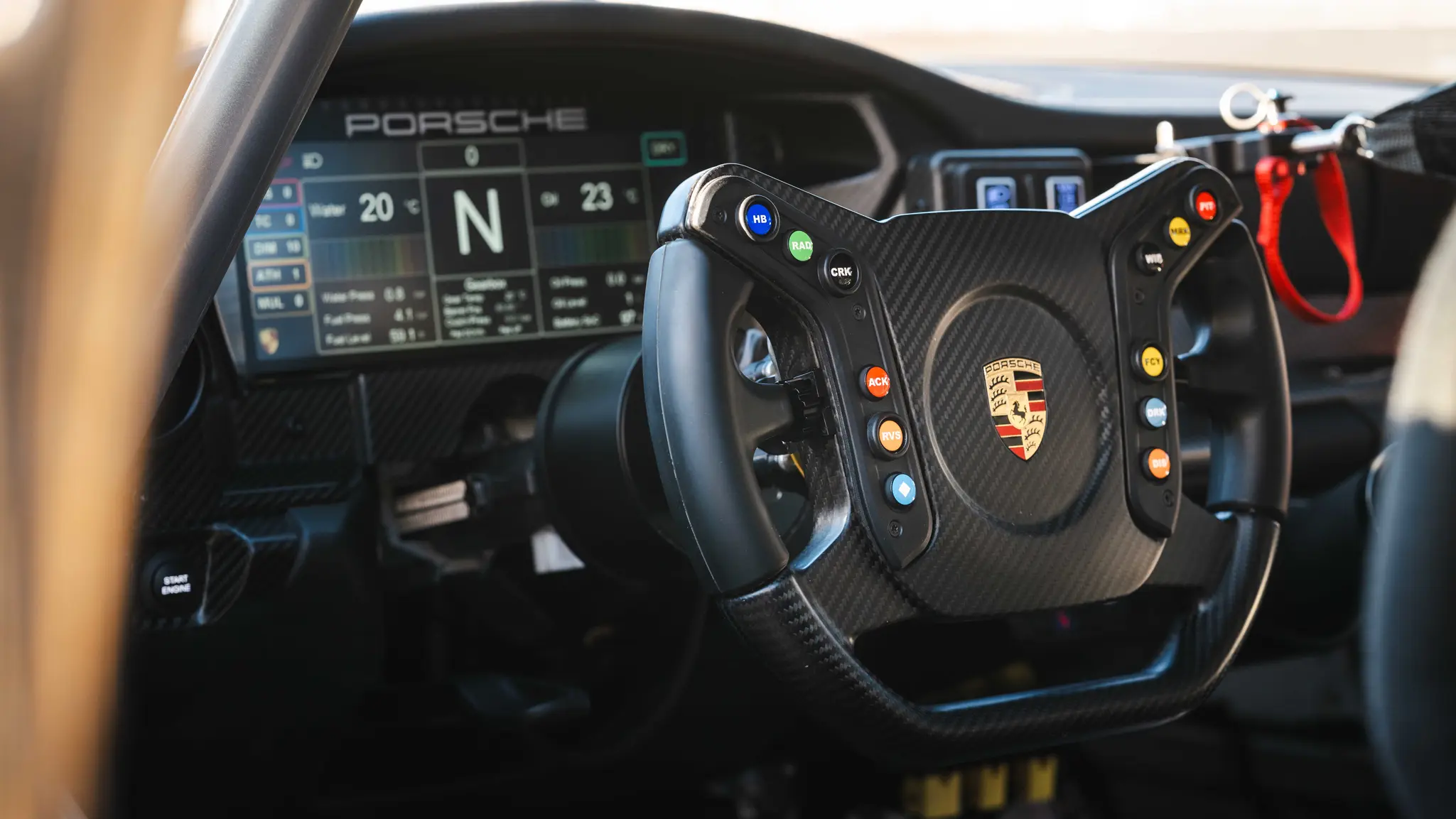
You sit low. The seat does not move, the pedals adjust to you. That is how race cars work. The steering wheel has buttons and dials. One dial adjusts the ABS braking. Another adjusts traction control. You can change how the car behaves without taking your hands off the wheel.
There is a screen. It shows you lap times and tire pressures and temperatures. You can see exactly when the tires are hot enough to push hard. Matthias Scholz, the guy in charge of GT cars at Porsche, told me they cleaned up the switchgear. Eight physical buttons now instead of ten. One button opens a menu on the screen for the stuff you do not adjust every lap.
How the Porsche 911 Cup Car Performance Actually Feels
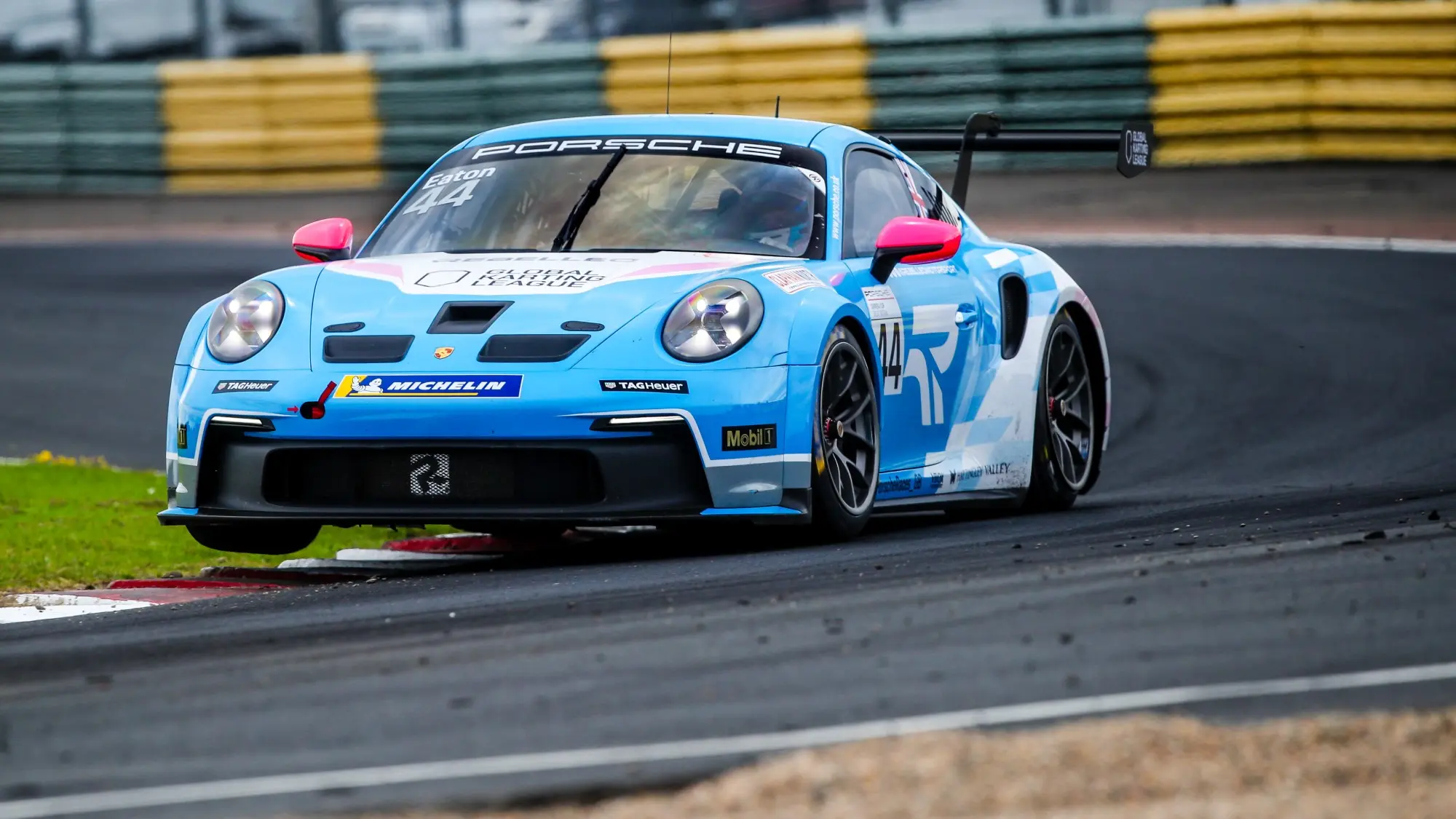
Numbers are boring. Let me tell you what it feels like.
The Engine
You turn the key and the engine catches with a bark. It is a 4.0 liter flat six. No turbos. Just air and fuel and explosions. It makes 520 horsepower at 8,400 rpm. The redline is 8,750. That last few hundred rpm, the engine is screaming. You feel it in your chest.
Your ears ring after a session. The torque is 347 pound-feet at 6,150 rpm. That is plenty. But the magic is how linear it is. Step on the throttle and the power builds smooth. No sudden hit. No lag. Just push you back in the seat and keep pushing until you run out of rpm.
Weight and Shifting
The car weighs about 2,840 pounds. That is light for something with a cage and a fire system and all the safety gear. The transmission is a sequential six speed. You pull a paddle to upshift. No clutch needed except to start moving. The shifts are fast and hard. You feel them in your spine.
Braking
Porsche made the front brakes thicker. 35 millimeters instead of 32. More material to soak up heat. Heat is the enemy of brakes. Get them too hot and they fade. The thicker discs resist fade longer. The ABS is Bosch M5 stuff. It is the same system used in higher classes of racing. It lets you brake deep into corners and trust that the electronics will not do something stupid.
Steering Feel
The steering is electric now. Some people hate electric steering. But Porsche did it right. You feel the front tires. You feel the pavement texture. They added more steering lock too. You can turn the wheel farther. That helps in tight pit lanes. It also helps when the rear steps out. You have more angle to catch the slide.
What It Is Like to Own One
I talked to a guy who races one in Carrera Cup North America. He said the best part is the community. Show up at any track and there are fifty other guys with the same car. You share setup tips. You borrow tools. You buy used parts from each other. The engine goes 100 hours between rebuilds. That is a full season for most people. Maybe two seasons if you do not do endurance races.
The new car has a tire pressure monitoring system that shows temperatures on the dash. You know exactly when the tires are in the window. No guessing. There is a pre-kill function for pit stops. The engine shuts off automatically when you hit the pit limiter button. Saves fuel. Saves the starter.
What the Experts Actually Say
I have read a lot of interviews with the Porsche Motorsport guys. They are not marketing robots. They actually care about these cars. Thomas Laudenbach runs the whole show. He said the Cup car is supposed to be a challenge. They want it hard to drive because it trains the young guys. If you can master a Cup car, you can drive anything.
Michael Dreiser sells the cars. He told a reporter that the Cup car is the best selling race car in the world. And the reason is versatility. Guys race them in one-make series. They race them in endurance races. They race them in club events. The car works everywhere.
Matthias Scholz designs them. He said the new one is faster but also more practical. Component life stayed the same even with more power. That is hard to do.
One Last Thought
The Porsche 911 cup car is not for everyone. It is loud. It is stiff. It has no cup holders. It attracts speed bumps like a magnet. But if you want to know what it feels like to be a professional race car driver, even for a weekend, this is the machine that gets you there. It is honest. It is fast. And it will never lie to you about your talent.
Questions People Actually Ask
How much is a Porsche 911 Cup car?
New is €269,000. Used is anywhere from $90,000 for an old 997 to $250,000 for a recent 992.
What motor is in it?
A 4.0 liter flat six. No turbos. 520 horsepower. Same basic design as the road GT3 engine but built for racing.
Can I drive it to the store?
No. Absolutely not. No lights. No turn signals. No horn. It is a race car. Trailers exist for a reason.
How is it different from a GT3?
The Cup car has a sequential gearbox. The road car has a dual clutch or a manual. The Cup car has a full cage. The road car has airbags. The Cup car makes 18 more horsepower. The road car has a warranty.
How many are there?
Over 5,300 since 1990. The current generation alone is past 1,130 cars.