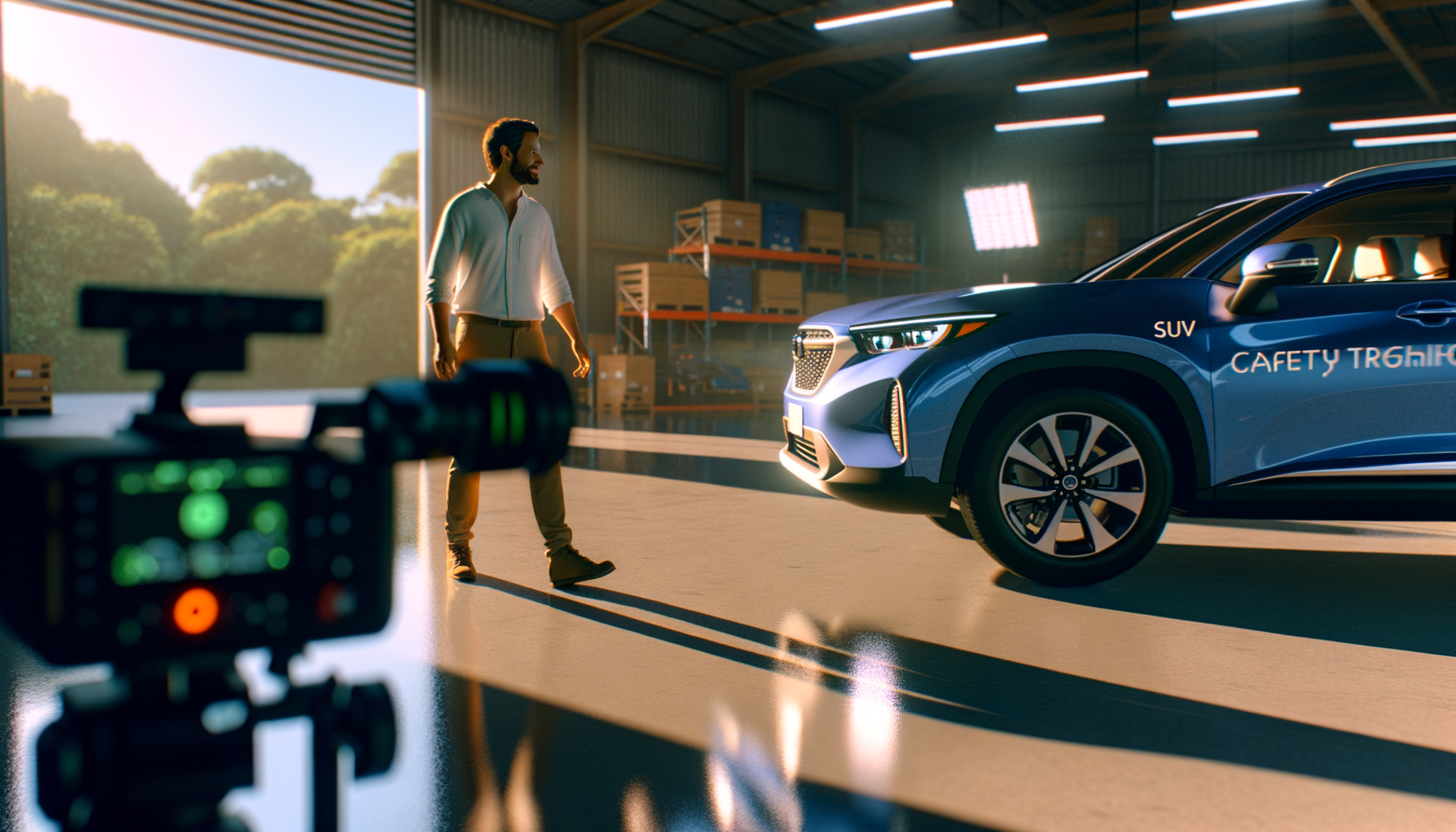
SUVs have a reputation for being tough, big, and great for familiesor just for hauling lots of stuff. But when it comes to safety, a lot has changed in just a few years. It's not about heavy metal and airbags anymore. Now, SUV safety technology is doing things drivers never dreamed of, sometimes fixing your mistakes before you even realize you made one. If you've wondered how your next SUV could help keep your loved ones safe without making you feel like you're driving a spaceship, you're in the right place.
What Is SUV Safety Technology, Really?
SUV safety tech covers all the gadgets and systems that help keep you, your passengers, and everyone else on the road a lot safer. We're talking about more than basic stuff like seatbelts and airbags. This is about tech that watches, warns, and sometimes even steps in to help when you can't react fast enough.
- Automatic emergency braking
- Lane keeping assistance
- Blind spot monitoring
- Rear cross-traffic alert
- Adaptive cruise control
These aren't just there for show. They're working behind the scenes (and sometimes upfront) to lower the odds of crashes, especially those split-second mistakes we all make.
How Do Advanced SUV Safety Features Actually Work?
You might hear car ads throw out phrases like "advanced driver assistance systems" or "state-of-the-art collision prevention." What does that mean for the everyday driver? Let's break it down. Most new SUVs now come with sensors, cameras, and even radar. These work together a lot like your own senses, only with way faster reflexes.
- Cameras keep an eye on the road, checking for sudden swerves or drifting
- Radar keeps tabs on cars or people in your blind spots
- Sensors in the bumper measure how close you are to another car
If you're getting too close to the car ahead while checking your phone (we've all done it), automatic emergency braking might kick in and stop you. Wandering out of your lane because you're distracted? Lane keeping helps nudge you back where you belong. These features aren't perfect, but they catch a ton of stuff humans might missespecially when we're tired, distracted, or just human.
Which SUV Safety Features Matter Most?
There are dozens of options, but some stand out for doing a big chunk of the heavy lifting:
- Automatic emergency braking: Slams on the brakes if a crash looks likely and you don't react in time
- Blind spot warning: Lights up and beeps if you're about to move into a lane with someone hiding in your blind spot
- Lane keeping assistance: Steers you gently back on track if you drift
- Rear cross-traffic alert: Warns you if a car is coming while you're backing out
- Adaptive cruise control: Maintains a safe distance from the car ahead, even if they slow down
SUVs with these features tend to earn higher SUV safety ratings, and insurance companies often reward you with lower costs. Don't buy a fancy SUV only for it to be missing the one safety system you actually need.
Do SUV Safety Ratings Really Tell the Whole Story?
Crash test scores give you a solid baseline, but they're just one piece of the puzzle. SUV safety ratings look at how well a vehicle holds up in a crash, but also how well its tech helps avoid crashes in the first place. Check out rating systems from groups like the National Highway Traffic Safety Administration or the Insurance Institute for Highway Safety for the latest details.
Remember, a perfect rating doesn't guarantee you'll always be safe. It just means your SUV has more backup when it counts. Some SUVs excel at SUV collision prevention but might not do as well in a side-impact test.
What's It Like Driving an SUV with All This Safety Tech?
Alright, here's the honest part: some of these systems can feel weird at first. Your steering wheel might pulse if you drift, alarms might beep if you're too close to the next car, and sometimes the brakes seem to have a mind of their own. The first week can feel like your car is nagging you, but it gets easier.
Think of it like a coach in your passenger seat. At first, their advice is a bit much. But after a few close calls, you realize they're helping you catch stuff you missed. Most people end up relying on these SUV driver assistance systems much more than they thought after just a month or two.
Can These Technologies Prevent All SUV Accidents?
No tech is perfect. SUV crash avoidance systems are trained to spot and react to the obvious stuff, like sudden stops or lane drifting. But they can't see every weird thing that happens on the roada tree falling, a deer jumping out of nowhere, or someone blowing through a red light at warp speed. These systems are there to help, not take over. If you rely on them too much, you risk missing the basics, like paying attention and not driving when you're tired or distracted.
Common Mistakes People Make with SUV Safety Technology
- Thinking the car will fix everything (it can't)
- Not learning how the features work
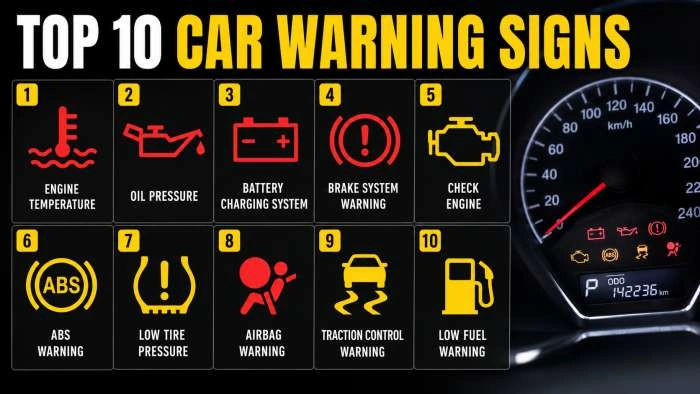
- Ignoring warning lights or settings
- Turning off annoying features and forgetting to turn them back on
Read your manual (at least skim it). Try the features out in a parking lot. If something confuses you, ask at the dealership or look up a quick video. Getting comfy with the tech means you'll use it moreand get more out of it.
So, Is Investing in the Latest SUV Safety Features Worth It?
If you drive kids, friends, or precious cargo (even if it's just groceries), yes. Most accidents happen because of small mistakes, distractions, or bad luck. These features can't prevent every crash, but they stack the odds in your favor. Plus, in the long run, you'll often save on insurance and avoid expensive repairs from the fender-benders you never saw coming.
So when you're car shopping, don't just check out the sound system or heated seats. Take the time to see what kind of safety features are actually helping you drive safer, even when you don't notice. The newest tech doesn't make you lazyit makes you human, with a little backup you won't want to drive without again.
FAQs About SUV Safety Technology
- What SUV safety features should I look for if I have a family?
Look for automatic emergency braking, blind spot monitoring, lane keeping assistance, and rear cross-traffic alert. These features help protect you from common crash scenarios, especially with kids in the car, and can give you peace of mind when life gets hectic. - Are advanced SUV safety features expensive?
Some come standard on many new SUVs. Others might be part of a package or higher trim. It's usually worth paying extra where you can, but bargain hunters should look at last year's models or certified pre-owned SUVs. Safety tech isn't just for luxury buyers anymore. - Can SUV driver assistance systems replace good driving?
No. These systems help, but they're not perfect. You still need to pay attention, drive defensively, and stay sober and alert. Think of them as an extra set of eyes, not as autopilot. - Do safety features affect SUV insurance rates?
Yes, usually. Insurers often offer discounts for cars with collision prevention and crash avoidance features. But the bottom line always depends on your personal record and the insurance company, so ask about discounts before you buy. - What if SUV safety technology feels too complicated?
Start slowtry one feature at a time until you get used to it. Most are simple once you try them a few times, and you don't need to use everything at once. The goal is to help you out, not to make driving stressful. - Are SUV crash avoidance systems available on older models?
Some tech, like backup cameras and basic sensors, became standard a few years ago.But the best systems are usually in newer models. If you're buying used, ask about what's included or look up the specific safety package before you decide.
Next time you hop behind the wheel, notice what your SUV does to watch your back. A little help goes a long wayespecially on the road.