Every car generation has its legends, and some quietly slip away despite once being everywhere. You might remember passing them on the road or you might have owned one yourself. They became extremely popular because of their dependable performance until they vanished from public view. Curious which models once ruled the market? Let us rewind to examine which best-selling products achieved their initial success before they disappeared from public view now deserve their second chance of recognition.
Forgotten Automotive Icons That Defined Their Era
Oldsmobile Cutlass Supreme, 1966–1997:
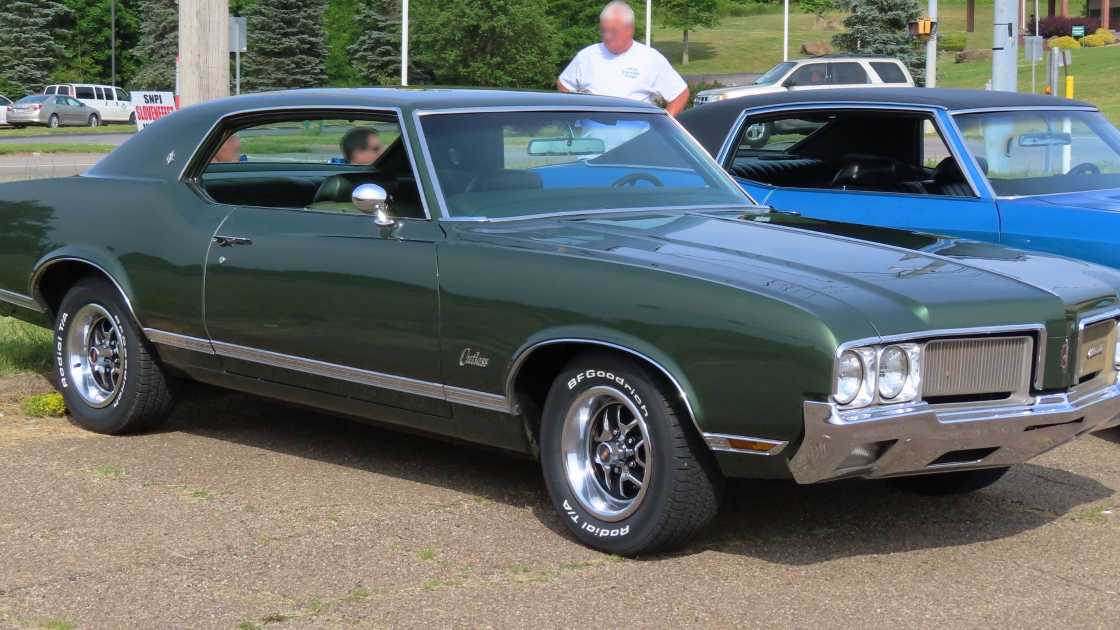
In the 1970s, the Cutlass Supreme ruled American streets with its unshakable presence. The vehicle appeared complete and accompanied drivers who wanted both comfort and high social standing. The model achieved its first major victory when it won the 1976 Motor Trend Car of the Year award while police departments continued to use the vehicle.
Read Also: Mercedes GLC EV Review: More Than Just a Great Electric Car
Buick LeSabre, 1959–2005:
The Buick LeSabre provided exceptional American comfort through its design which allowed drivers to travel long distances. The product delivered spaciousness while maintaining its elegant design for a period of ten years. The police and families across multiple regions of the United States adopted it as their trusted vehicle which General Motors based on its experimental Le Sabre design.
Ford Taurus, 1986–2019:
The 1986 Taurus introduced a revolutionary design to the automotive market which surprised customers through its futuristic contouring. The vehicle's aerodynamic design which represented a major departure from conventional sedan designs proved to be its most distinctive feature. The appearance of the product brought about a complete transformation for Ford because it introduced computer-aided design and front-wheel drive technology into American family vehicles.
Mercury Sable, 1986–2009:
The Sable created its distinctive identity through its understated yet refined style. The vehicle shared its origins with the Ford Taurus but introduced its unique design through its signature lightbar grille and flush glass features which previewed upcoming trends. The vehicle established its presence in suburban residential areas through its two body styles which included a wagon and a sedan.
Pontiac Grand Am, 1973–2005:
Pontiac wanted performance and luxury in one nameplate, and the Grand Am delivered both with flair. Its distinctive styling and "soft fascia" bumpers introduced a new approach to both safety and design. The fans kept requesting its return after two discontinuities because Pontiac continued to listen to their demands.
Saturn S-Series, 1991–2002:
The S-Series introduced Saturn's first vehicle to the market while introducing a different method of purchasing automobiles. The product guaranteed its strength through dent-proof exterior panels and provided customers with clear pricing information. The vehicle which was manufactured in Tennessee United States displayed American hopeful optimism through its design which targeted drivers who preferred integrity over flashy appearances.
Plymouth Voyager, 1984–2000:
Families required more space and simple solutions when the Plymouth Voyager arrived to meet their needs. The first minivan introduced new daily life possibilities through its sliding doors and wide interior space. The vehicle shared its basic structure with Dodge Caravan yet it functioned as a vehicle that could take people to practical outdoor adventures.
Dodge Neon, 1995–2005:
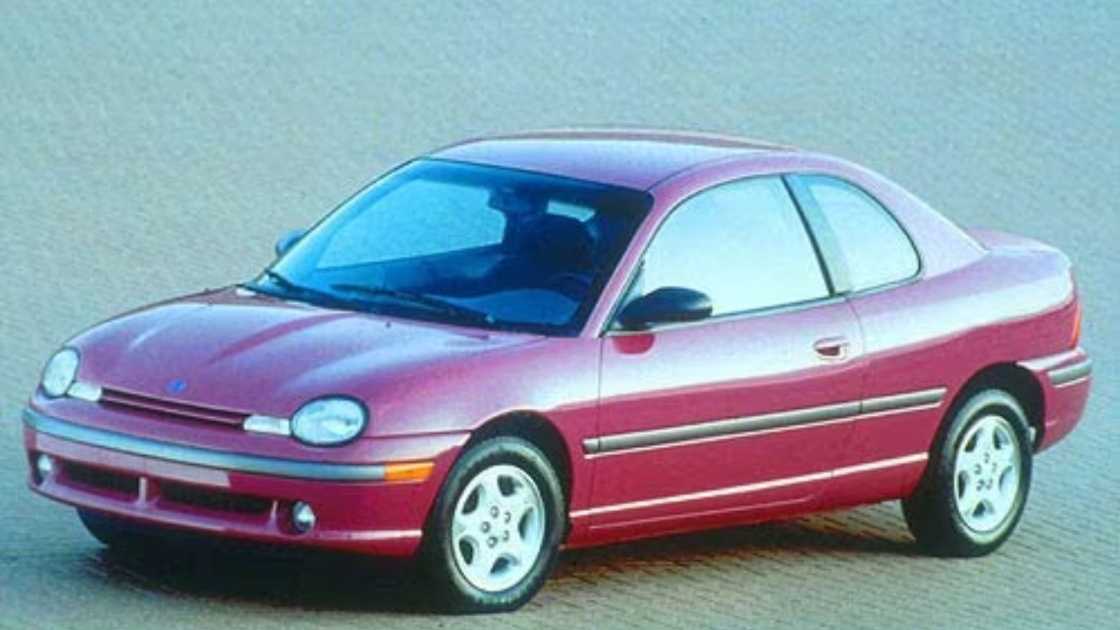
The Neon showed its energetic character through its well-known "Hi" commercials which brought to life its cheerful small size. The drivers who operated the vehicle found enjoyment in its fun personality which combined with its quick driving abilities. The friendly appearance of the car revealed its hidden capability to perform at unexpected speeds on the racetrack.
Toyota Celica, 1971–2005:
The Celica car drove with a sporty character which attracted people who wanted to live their dreams. The vehicle started as a rear-wheel drive vehicle which provided exciting driving experiences. The vehicle maintained its original allure through its evolution into front-wheel drive for practical use. The car achieved rally victories which added a daring aspect to its performance. The car's name which means "heavenly" described its exceptional combination of power and beauty.
You May Also Like: Triumph Daytona 660 Top Speed 2026: Full Performance Guide
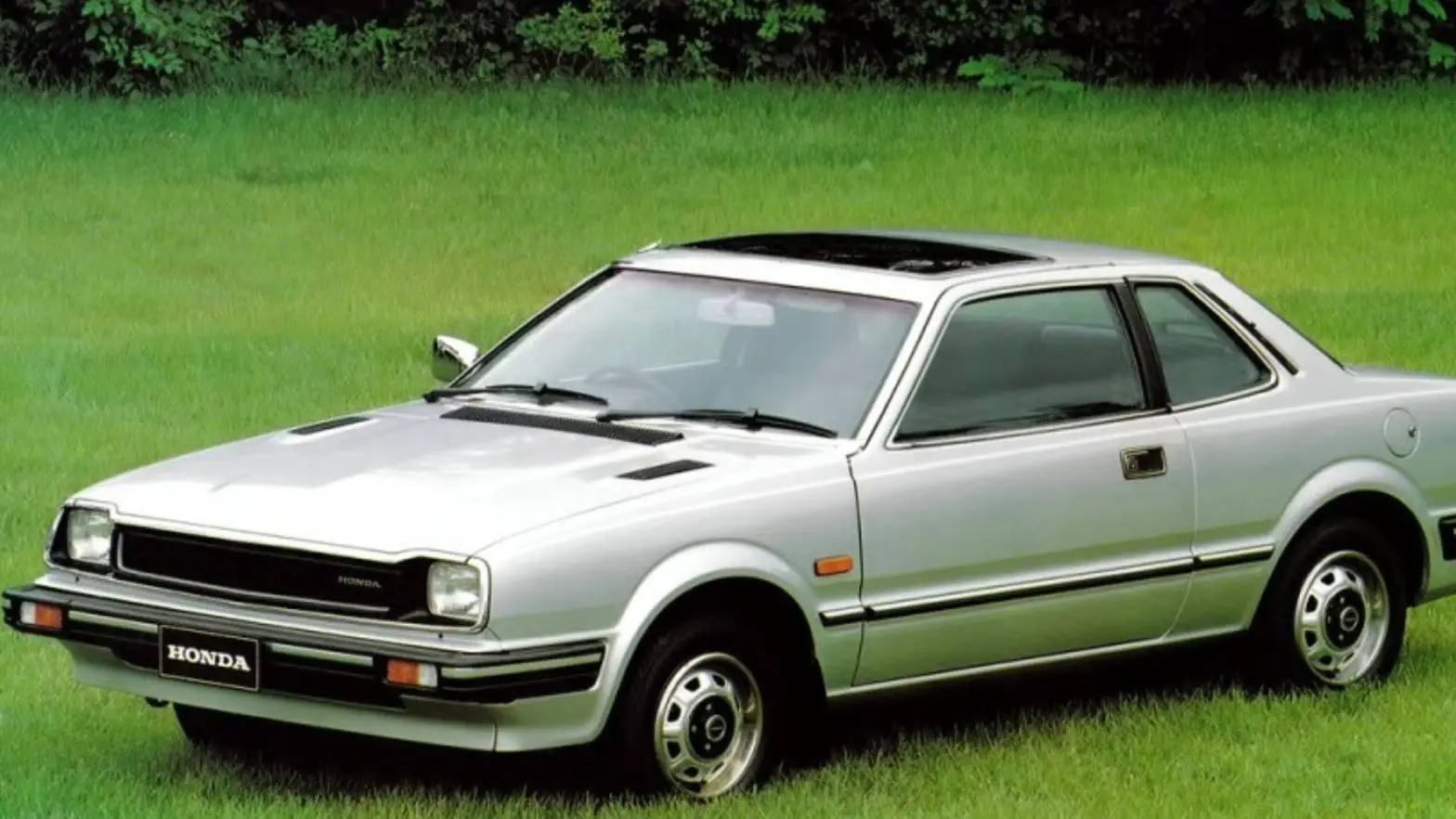
Honda Prelude, 1979–Present:
Honda's Prelude created a experience which blended technical design with emotional expression. The vehicle achieved superior performance through its streamlined design and its advanced four-wheel steering system. The vehicle distinguished itself from competitors through its standard sunroof feature which appeared on all its models while demonstrating that drivers could enjoy their vehicles without needing to drive expensive cars.
Mitsubishi Eclipse, 1990–2012:
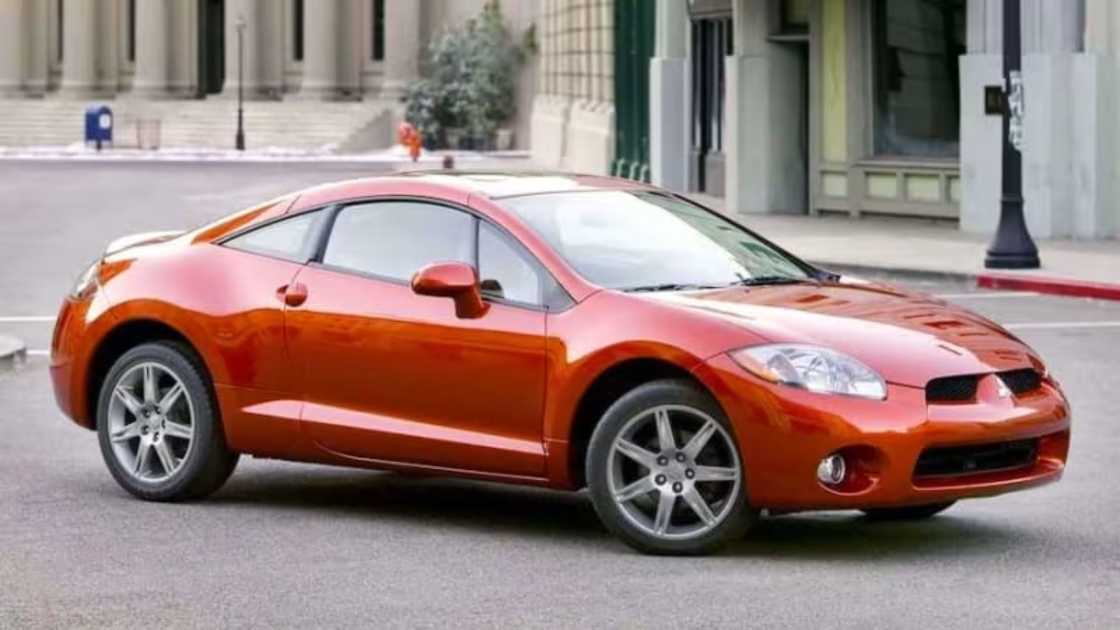
The Eclipse achieved popularity because of its design as a small-sized sports car which contained a distinct personality. The car was developed through a partnership between Chrysler and Mitsubishi which resulted in both the Eagle Talon and Plymouth Laser. The Fast and the Furious served as the movie that introduced the neon-green Eclipse to the world which created an everlasting presence in pop-culture.
FAQs
What makes a classic car 'disappeared'?
Classic cars that disappeared are historically significant vehicles whose whereabouts remain unknown after events like theft, war, or owner abandonment, such as the Duesenberg SJ-506 lost in Algeria during civil unrest.
Which famous disappeared cars are still sought after?
High-profile examples include James Dean’s Porsche 550 Spyder (last seen in the U.S.) and the Ferrari 375 MM (Europe), valued collectively at over £114 million among 20 notable lost legends.
Why revisit these forgotten legends today?
Revisiting them highlights automotive innovation and tragedy, with recent finds like France's Baillon Collection barn discoveries fueling collector hunts and restoring overlooked muscle-era gems like the 1967 Plymouth GTX.