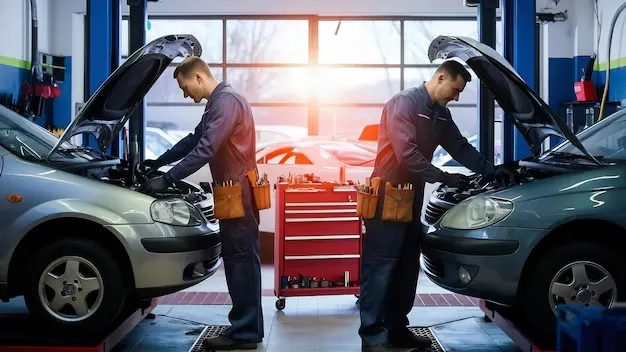
Last winter, my neighbor Sarah learned a hard lesson. Her car broke down on a busy highway, two hours from home, with her kids in the back seat. The reason? She ignored that small warning light for three months. The fix cost her nearly two thousand dollars. A simple oil change would have cost her forty dollars.
I do not want that to happen to you. So let me walk you through everything I have learned about car servicing tips. Not from a mechanic's manual, but from real life experience and talking to people who fix cars every single day.
Why Is Car Servicing Important? The Real Truth
Most people think car servicing is just another way for shops to take your money. I used to think the same way. Then my uncle, who has been fixing cars for thirty years, sat me down and explained what really happens inside your engine.
Here is what regular servicing actually does for you:
- Keeps you safe – Bad brakes or worn tires cause accidents every single day. Most of these accidents could have been stopped with a simple checkup.
- Saves you money – Spending one hundred dollars on a service today means you avoid spending two thousand dollars on a repair next year.
- Makes your car last longer – A well serviced car can easily run for two hundred thousand miles or more. A neglected car starts falling apart at eighty thousand miles.
- Protects your resale value – When you sell your car, a full service history adds real money to the price. Buyers pay more when they see you took care of things.
I remember driving my old Honda for twelve years without a single major breakdown. My secret was simple.
You may also read :- EV Maintenance Costs Explained For US Drivers
When Should I Service My Car? A Straight Answer

This question comes up all the time. People get confused by different advice from different sources. Let me clear this up for good. Most modern cars have two service schedules. One is based on miles driven. The other is based on time passed. You follow whichever comes first.
- Every three thousand miles or three months – This is the old school rule. It still applies to older cars and cars that use conventional oil. If you drive a lot in the city, in heavy traffic, or in extreme weather, stick to this schedule.
- Every five thousand to seven thousand miles – This works for most modern cars that use synthetic oil. Check your owner's manual to be sure. But if you do not have the manual, five thousand miles is a safe bet.
- Every ten thousand miles or once a year – Some new cars with full synthetic oil can go this long. But honestly, I would not push it that far. Oil gets dirty. Parts wear down. A yearly checkup never hurts.
Here are clear signs that your car needs service right now, not later:
- That check engine light comes on and stays on
- You hear grinding or squealing when you brake
- The oil pressure warning light flashes
- Your car shakes when you drive at highway speeds
- You see fluid leaks under where you parked
- The engine sounds louder or rougher than before
- Your gas mileage drops for no clear reason
Car Repair vs Servicing Difference: Know Which One You Need
Car servicing is like going to the dentist for a cleaning. You do it regularly to prevent problems. Servicing includes checking fluids, changing oil, rotating tires, testing brakes, and inspecting belts and hoses. You do this whether your car has problems or not.
Car repair is like getting a cavity filled. Something broke and you need to fix it. Repairs happen when a part fails or wears out completely. You only do this when something goes wrong.
Here is a simple table to help you understand the difference:
| Aspect | Car Servicing | Car Repair |
|---|---|---|
| When you do it | On a schedule | When something breaks |
| Cost | Predictable, usually lower | Unpredictable, often higher |
| Warning signs | None needed | Noises, lights, leaks, poor performance |
| Examples | Oil change, tire rotation, fluid top up | New alternator, brake pad replacement, engine fix |
| Who needs it | Every car owner | Only when problems appear |
The smart approach is to never skip servicing because you want to avoid repairs. Every dollar you spend on regular service saves you at least four dollars on future repairs. That is not just a guess. Multiple car studies have shown this number again and again.
Car Servicing Tips for Beginners: Start Here

If you have never serviced a car before, do not feel bad. Everyone starts somewhere. These car servicing tips for beginners will get you on the right track without feeling overwhelmed.
- Start with the owner's manual – That book in your glove box actually has useful information. Look for the service schedule section. It tells you exactly what your car needs and when.
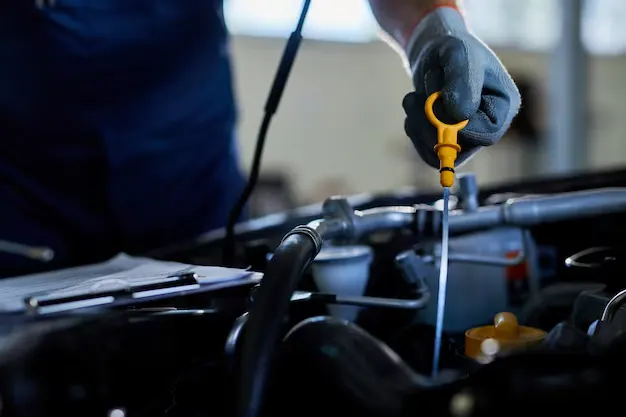
- Learn to check your oil – This takes two minutes. Park on level ground. Turn off the engine. Wait a minute. Pull out the dipstick, wipe it clean, put it back in, pull it out again. The oil should be between the two marks and look brown or amber, not black and gritty.
- Keep a service log – Write down every time you do anything to your car. The date, the mileage, what you did, and how much it cost. This helps you track patterns and proves you took care of the car when you sell it.
Car Maintenance Tips to Save Money: Keep More Cash in Your Pocket
Let me be honest with you. Car ownership costs money. But you can spend a lot less if you know a few tricks. These car maintenance tips to save money have worked for me and my friends for years.
- Do the easy things yourself – You do not need to be a mechanic to change your wiper blades, top up your windshield fluid, replace your air filter, or check your tire pressure. These jobs take five minutes and cost half as much as paying a shop.
- Buy your own parts – When your mechanic says you need a new part, ask what brand and part number. Then check online prices. You can often buy the exact same part for thirty to fifty percent less. Most shops will install parts you bring in. Just ask first.
- Stick to the schedule – Skipping services to save money always backfires. I have seen this happen to so many people. They skip a two hundred dollar service, then six months later they pay twelve hundred dollars for a repair that the service would have caught.
- Use the right oil – Check your manual for the recommended oil type. Using the wrong oil, even if it is cheaper, hurts your engine over time. The money you save on cheap oil you will pay back in engine wear.
- Compare shop prices – Call three different shops before any major service. Ask for the same list of items. You will be shocked at the price differences. I once saved four hundred dollars just by calling around.
- Watch for coupons and deals – Big chain shops run specials all the time. A twenty dollar oil change coupon is real savings. Just make sure they are not adding on services you do not need.
One of my friends saves over five hundred dollars every year just by doing his own air filter changes and wiper blade replacements. Those two things take him maybe thirty minutes total per year.
Car Servicing Tips Before Long Drive: Do Not Hit the Road Yet
You packed your bags. You filled up the gas tank. You are ready for that road trip. But wait. Take thirty minutes to check these things first. These car servicing tips before long drive have saved me from breakdowns more than once.
Check all your fluids – Engine oil, coolant, brake fluid, transmission fluid, and windshield washer fluid. Low levels cause big problems when you are far from home. Topping them off takes five minutes.
Look at your tires – Check the pressure including the spare tire in your trunk. Look at the tread depth. The old penny test works great. Stick a penny upside down into the tread. If you can see all of Lincoln's head, your tires are too worn for a long drive.
Check your belts and hoses – Open the hood and look at the rubber belts and hoses. Do you see cracks, fraying, or bulges? Does anything look loose or wet? These parts cost very little to replace but cause huge problems when they break on the road.
Test your brakes – When you first start driving, press the brakes at low speed. Do you feel any grinding, shaking, or pulling to one side? Does the pedal feel soft or spongy? If yes, get your brakes checked before you leave.
Make sure your AC works – A long drive with broken air conditioning is miserable, especially in summer heat. Test it a few days before your trip so you have time to fix it.
Frequently Asked Questions About Car Servicing
How often should I really service my car?
Most cars require a benefit each five thousand to seven thousand miles or each six months. Check your owner's manual for your car's correct plan. More up-to-date cars with engineered oil can, in some cases, go ten thousand miles, but I suggest remaining closer to seven thousand to be safe.
Can I service my car myself or do I need a mechanic?
You can do essential things yourself like checking oil, topping up liquids, changing disc channels, and checking tire weight. But for things like brake work, belt substitution, or anything including the motor computer, take your car to a proficient mechanic. A few employments are worth paying for.
What happens if I skip one car service?
Missing one benefit likely will not annihilate your car. But it begins a terrible propensity. That one missed benefit turns into two, and at that point three. Some time recently, you know it, your car has gone twenty thousand miles without an oil alter. That will harm your motor. Fair do the benefit on time and never stress about it.
How do I find a good mechanic I can trust?
Ask individuals you know. See for shops that have been in commerce for at least five a long time. Perused online surveys but saw designs, not person complaints. A great sign is when the shop clarifies what they are doing and shows you the ancient parts they supplanted. If a workman surges you or pushes administrations you did not inquire about, discover somebody else.
Final Thoughts From The Road
Taking care of your car does not need to be hard or expensive. You do not need to be a mechanic. You do not need fancy tools. You just need to follow a simple car servicing tips and pay attention when your car tells you something is wrong.
Start small. Check your oil this weekend. Look at your tire pressure. Write down your last service date. These tiny habits take almost no time but save you from the headache of a broken down car on the side of a busy highway.
Sarah, my neighbor from the beginning of this story, finally learned her lesson. She now follows a regular service schedule. Her new car has never left her stranded. And she told me she wishes someone had explained these simple car servicing tips to her years ago.