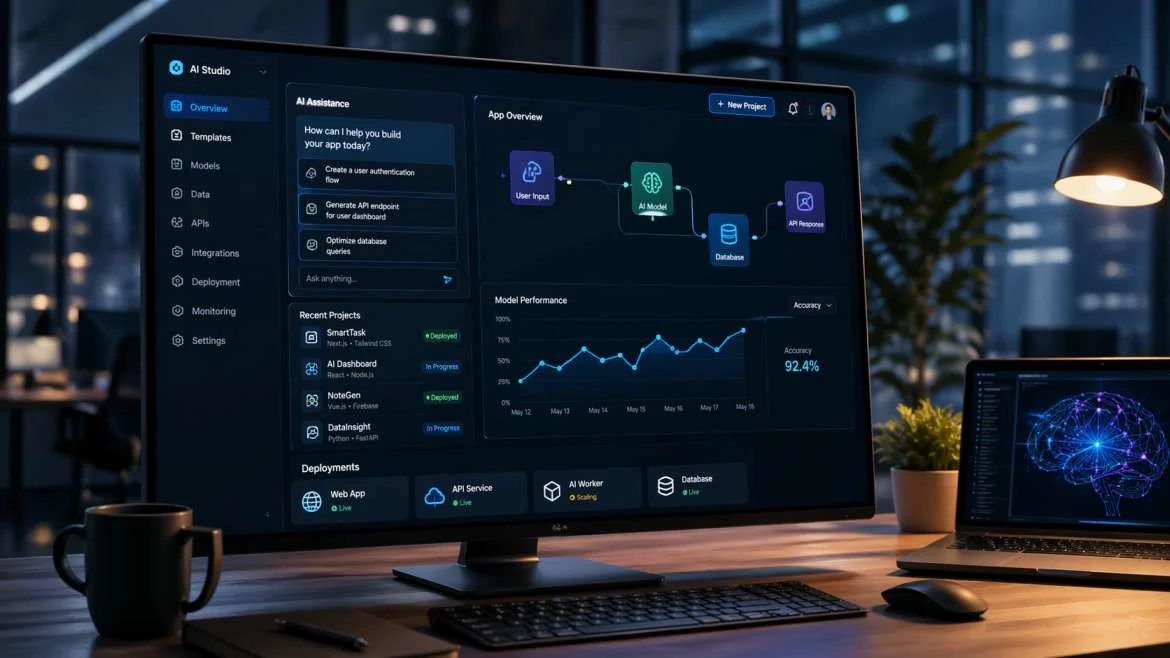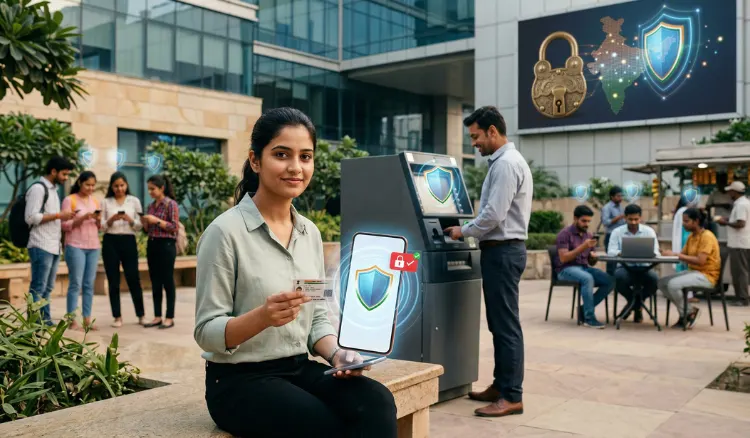
In the era of small healthcare IT infrastructure is more than computers and cables. It is the backbone which is supporting patient care. They are managing the records, diagnostics and daily things. The delivery suffers only when the system fails. The staff worked faster and the patients feel safer when the systems run smoothly.
There might not be large IT budgets in small clinics and healthcare centers. But you can plan smartly. And use discipline ways that can help you create a reliable. And secure future ready IT set up. There are 10 practices that you can follow. Which can help you focus on the practical ways listed below.
Why IT Matters in Small Healthcare Settings
Accurate data, timely access and uninterrupted systems are what healthcare depends upon. Scheduling of the appointment, keeping the records of the patient. Even the billing and lab report reports all rely on IT.
For a place, which has a small healthcare system. A short system outage can cause big delays. And the loss of trust can also be the outcome. A strong IT base prevents disruption and supports quality care.
You may also read :- How to have cyber security in a small businesses: Beginners guide?
1. Start With a Clear IT Base Plan
Many small clinics grow their IT setup randomly. This often leads to issues and wasted spending.
A basic plan should define current needs and future growth. It helps decide all the software, network layout, and storage. Planning first saves money later.
2. Use Reliable and Healthcare-Grade System
Healthcare systems cannot afford frequent breakdowns. Consumer-grade hardware often fails under continuous use.
You need to choose servers that are reliable. Good networking devices and work place. They are designed to perform the work. The downtime is reduced by the quality system. It even affects the maintenance cost.
3. Maintain a Stable and Secure Network
Most of the department is affected by a slow and unstable network. Connectivity is important be it for the front desk work or the lab system.
Use secure routers, firewalls and properly configured Wi-Fi networks to maintain safety. The security risk will be reduced. If you separate the guest Wifi from the internal system.
4. Standardize Software and Systems
Using different software on each system creates confusion and support issues.
Standardize operating systems, applications, and healthcare software across the facility. This simplifies training, updates, and troubleshooting while improving efficiency.
5. Prioritize Data Storage and Backup Systems
The data of the patients are important and irreplaceable. Any kind of data loss due to hardware failure or cyber incidents. Can create a halt in the operations.
You should try using secure servers and cloud storage. It helps in creating automatic backup. If you want to restore the data quickly. Then you should have a way to make regular backups.
6. Ensure System for Future Growth
Healthcare environments evolve. More patients, staff, and services need scalable systems.
Choose IT solutions that allow easy ways to expand. Scalable infrastructure avoids complete system replacement as the organization grows.
7. Implement Strong Access and Device Controls
To all the systems, it is not important that every staff member should have access. Security risk increases by uncontrolled access.
You can use role based access control. And device authentication for safety. You can limit administrative privileges to essential personnel only.
8. Schedule Regular Maintenance and Updates
IT systems degrade without maintenance. Performance and security issues are created if you ignore the updates.
You should try making regular systems, updates, and checks. Try to take correct ways for maintaining costs less than trying emergency repairs.
9. Prepare for Downtime and Emergencies
Cyber incidents can happen in any way without giving any warning. Without any signs of power or hardware problems.
Use the right response plans and have backup power options. Try to have an offline access system. Continuity is ensured by the preparedness, even during disruptions.
10. Partner With Trusted IT Support Providers
Small healthcare teams cannot manage everything internally. Guidance and monitoring is given by the other IT partners.
System maintenance, security updates and emergency response are given by reliable IT support.
Training Staff to Use IT Systems Correctly
If the user misuses it, even the best infrastructure can fail. Staff should know basic system use and safety practices.
Training can enhance system work and reduce errors. Knowledgeable users strengthen IT reliability.
Balancing Tech With Patient Care
Care is supported by the tech system and does not complicate it. The workflows get slowed down by over complex systems.
Choose user-friendly solutions that match staff skill levels. Simple systems improve efficiency and reduce frustration.
Conclusion: Building a Strong IT Base for Healthcare
In a small healthcare environment, a well developed small healthcare IT infrastructure is needed. It helps to deliver better care. To protect the patient’s data and work with it smoothly. Big budgets are not needed by it.
If you follow these 10 best ways, you can create a reliable, secure, and good IT system. Having a strong base is not just a tech advantage. But it shows the commitment to better healthcare results.