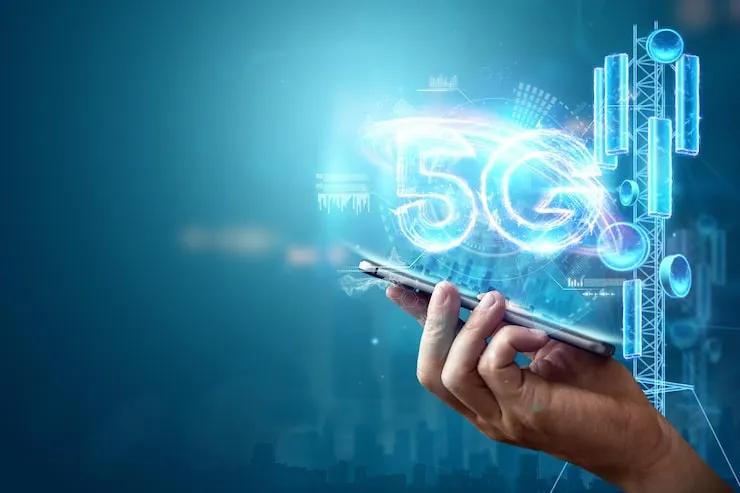
We hear about it all the time. Faster phones. Smarter cities. Cars that drive themselves. At the heart of all these amazing ideas is something called 5G connectivity technologies. But what exactly is 5G? It sounds complicated, but it’s really just the newest, fastest way for our devices to talk to each other and the internet.
This guide will break down 5G network technology into easy pieces. Let’s explore how it works, why it’s such a big deal, and how it will change the way we play, learn, and work.
What is 5G? The Fifth Generation of Mobile Networks
Think of mobile networks like highways for information. Each generation is a bigger, better highway.
-
1G was a dirt path—just for voice calls.
-
2G was a paved road—adding text messages.
-
3G was a highway—introducing the mobile internet.
-
4G LTE was a super-fast freeway—making video streaming and apps easy.
5G is the next step. It’s like a futuristic, multi-layered hyperloop system. It’s designed to be incredibly fast, have almost no lag, and connect millions of devices at once in a small area.
The 5G Connectivity Technologies Guide: How Does It Work?
5G connectivity technologies use some smart tricks to make everything faster and more reliable. It’s not just one thing; it’s a team of technologies working together.
Using Different Radio Frequencies (The Spectrum)
Imagine radio waves are like different types of water. 5G cleverly uses three "bands" or types of waves to do different jobs.
-
Low-Band Spectrum: Like a wide, slow-moving river. It travels far and goes through walls easily, perfect for wide 5G coverage in rural areas. It’s faster than 4G but not mind-blowing.
-
Mid-Band Spectrum: The sweet spot. Like a fast-flowing canal. It offers a great mix of speed and coverage. This is the core of most 5G mobile network deployments today.
-
High-Band Spectrum (Millimeter Wave): Like a powerful, narrow laser beam. This is where you get ultra-fast 5G speeds. But it doesn’t travel far and can be blocked by leaves or walls. It’s perfect for crowded spots like stadiums.
Small Cells: The Secret Boosters
Because high-band waves don’t travel far, 5G needs many small antennas, called small cells. These are like tiny signal boosters on lampposts and buildings. They create a powerful, localized web of coverage.
Massive MIMO and Beamforming: The Traffic Directors
Old cell towers shout signals in all directions. 5G is smarter.
-
Massive MIMO puts dozens of tiny antennas on one tower. It’s like having 50 hands to shake with 50 people at once, instead of one.
-
Beamforming then takes those signals and points them directly at your device, like a spotlight. This makes the connection stronger and saves energy.
Why 5G is a Game Changer: Real-World Benefits
This isn’t just about downloading a movie in seconds (though that’s cool!). Next-generation wireless technology enables things we used to only see in movies.
-
For People: Imagine lag-free online gaming where every move is instant. Or enhanced mobile broadband that lets you stream 8K video on a park bench. Video calls will feel like you’re in the same room.
-
For Our Communities: This is where 5G for smart cities and IoT shines. Traffic lights that adjust in real time to ease jams. Smart grids that save energy. Public safety systems with live, super-clear video from anywhere.
-
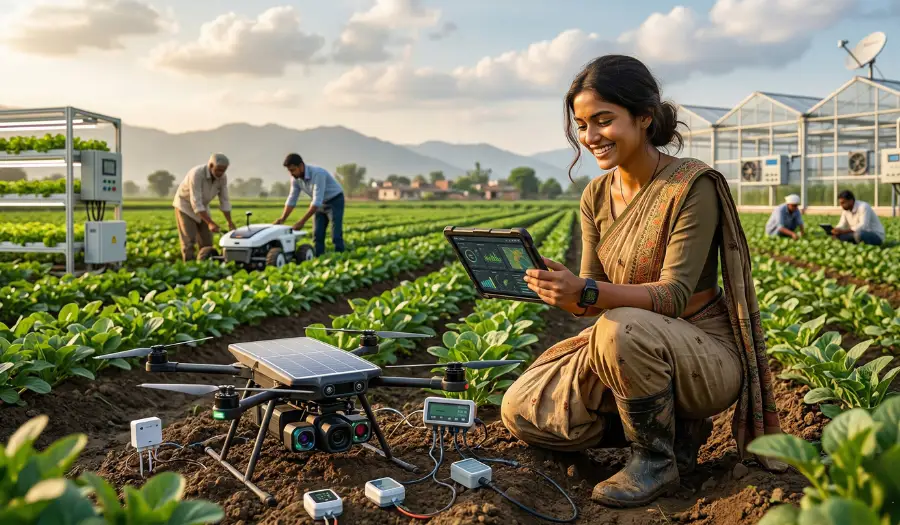
For Businesses and Factories: 5G in industrial automation and manufacturing means robots can be controlled wirelessly with perfect precision. Doctors could guide surgery remotely using 5G-enabled augmented reality. This is the power of ultra-reliable low latency communication (URLLC).
Your 5G Connectivity Technologies Guide to the Future
We’re just at the beginning. As 5G infrastructure development continues, even more exciting uses will appear.
Self-driving cars will need 5G to talk to each other and the road. Virtual reality worlds will feel totally real. Remote areas will get better healthcare through telemedicine. The goal is seamless 5G connectivity everywhere.
Frequently Asked Questions About 5G
Q: Is 5G safe?
A: Yes. 5G wireless technology operates under strict international safety guidelines. The radio waves it uses are non-ionizing, meaning they don’t have enough energy to damage cell DNA. They are similar to the waves used in TV broadcasts and earlier networks, just more advanced.
Q: Do I need a new phone for 5G?
A: Yes. To access the 5G network, you need a smartphone that has a 5G-compatible chip inside. Most new mid-range and flagship phones now come with 5G support.
Q: Will 5G replace Wi-Fi?
A: Not exactly. They will work together! 5G is great for on-the-go connectivity. Wi-Fi is still fantastic for home networks where many devices share data. Think of them as partners, not rivals.
Q: When will 5G be available everywhere?
A: 5G network rollout is happening in phases. Major cities get it first. Expanding to suburban and rural areas takes more time and infrastructure. It’s a multi-year project, but coverage is growing fast every month.
Expert Insights on 5G’s Potential
Industry leaders see 5G as a foundation for the next decade of innovation.
“The shift to 5G is less about the phone in your hand and more about the invisible network that will connect everything around you. It’s the platform for innovations we haven’t even imagined yet.” – A Network Infrastructure Specialist.
*“For industries, the ultra-low latency of 5G is the true breakthrough. It allows for real-time control and data analysis that was previously impossible with wireless, opening doors to safer and more efficient operations.”* – An Industrial IoT Consultant.
In Conclusion
5G connectivity technologies are more than just a speed boost. They are the foundation for a smarter, more connected, and more responsive world. From how we entertain ourselves to how our cities function, 5G is quietly building the network of tomorrow. Understanding these basics shows why it’s such an exciting step forward in our always-connected lives. The future is wireless, and it’s being built today.