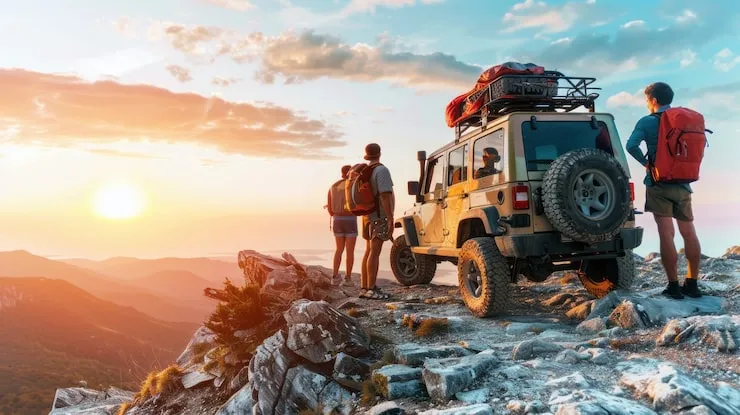
Jake had always been the “play-it-safe” type. Until last summer, when he decided to swap his usual beach vacation for an adventure trip in New Zealand. Skydiving over lakes, bungee jumping off bridges, and white-water rafting through rapids… he felt alive in a way his Netflix nights never delivered. That’s the magic of today’s thrill-seeker journeys—they push your limits, leave your comfort zone behind, and give you stories you’ll never forget.
If you’re itching for adrenaline, we’ll break down the kinds of trips, destinations, planning tips, and what to watch out for, so you can jump straight into the action without wasting time.
What Makes an Adventure Trip Different?
An adventure trip isn’t just hiking in the woods. It’s an experience designed to thrill, challenge, and sometimes scare you a little. Think:
-
Extreme sports
-
Off-the-beaten-path locations
Advertisement -
Physical challenges or mental tests
Why it matters: These trips aren’t just fun—they push you to grow, discover resilience, and make memories that stick.
How to approach it:
-
Pick a trip that matches your fitness and skill level
Advertisement -
Prioritize safety equipment and training
-
Plan for recovery days
What could go wrong: Overestimating your abilities can ruin the experience. Start small, then level up.
Top Adventure Trips for Thrill-Seekers Today
1. Skydiving Over Stunning Landscapes
Nothing compares to free-falling while the ground races toward you. Popular spots include:
-
Interlaken, Switzerland
-
Queenstown, New Zealand
-
Dubai desert drop zones
Tip: Book with certified instructors. First-timers often worry, but once you jump, it’s pure exhilaration.
2. White-Water Rafting and River Adventures
Strong currents, splashes, and teamwork make rafting unforgettable. Try:
-
Colorado River, USA
-
Zambezi River, Zimbabwe
-
Futaleufú River, Chile
Personal story: My first rapids trip ended with me soaked head to toe, laughing through the fear. It’s messy, wet, and worth every second.
3. Trekking & Climbing Challenges
Scaling peaks and remote trails is both physically and mentally rewarding:
-
Kilimanjaro, Tanzania
-
Patagonia, Argentina
-
Himalayas, Nepal
Mini takeaway: These trips require prep—training, gear, and mindset. The views and sense of achievement? Priceless.
4. Extreme Water Adventures
If you love water, consider:
-
Shark cage diving in South Africa
-
Surfing giant waves in Hawaii
-
Scuba diving shipwrecks in Indonesia
Reminder: Safety first—follow guides and rules. Nothing ruins thrill like a preventable accident.
5. Offbeat Adrenaline Experiences
-
Zip-lining over canopies
-
Paragliding in Turkey
-
Sandboarding in the desert
Why it works: They’re not life-threatening but still push your fear limits. Perfect for testing courage before bigger adventures.
Planning Your Thrill-Seeker Journey
-
Research the destination: Weather, best seasons, legal requirements
-
Check fitness & skills: Some trips need experience or physical training
-
Book trusted guides: Safety isn’t optional
-
Pack smart: Gear, first aid, and essentials
-
Plan recovery: High-adrenaline trips need downtime
Tip: Even seasoned adventurers pack extra clothes and snacks. Small mistakes can spoil the excitement.
Common Mistakes Adventure Travelers Make
-
Ignoring altitude or health concerns
-
Over-packing or under-packing gear
-
Not checking local rules or restrictions
-
Overestimating ability for extreme activities
Pro tip: Adventure trips are about fun and challenge, not proving something to anyone else. Know your limits.
Why Adventure Trips Are Worth It
-
Build confidence and resilience
-
Create unforgettable stories
-
Connect with nature in intense ways
-
Meet people who share your thrill-seeking passion
Personal reflection: After a week of kayaking through wild rapids, I realized adventure trips are more than adrenaline—they teach patience, teamwork, and humility.
FAQs
Q1: Are adventure trips safe?
Yes, if you plan carefully, use certified guides, and respect your limits. Accidents happen, but preparation reduces risks dramatically.
Q2: How physically demanding are these trips?
It varies. Some are extreme (mountain climbing), some moderate (zip-lining, rafting). Choose based on fitness and experience.
Q3: Can beginners join thrill-seeker trips?
Absolutely. Many trips are beginner-friendly with guided instruction. Start with small adventures and build confidence.
Q4: How do I prepare mentally for an extreme activity?
Focus on safety, visualize the experience, and accept nervousness as normal. Preparation beats panic.
Q5: What’s the best time to book adventure trips?
Check local seasons and weather. Booking ahead ensures guides and gear are available, and helps avoid crowds.
Q6: Do I need special insurance?
Yes, travel insurance covering extreme sports is recommended. It protects against accidents, cancellations, or emergencies.
Final Thoughts
Pick your adventure trip. Start small if you need, or dive into the deep end if you’re ready. Gear up, plan wisely, and embrace the thrill. By the end, you’ll not only have amazing memories but also a new confidence that spills into everyday life.