Ancient ruins aren’t just broken stones; they’re powerful reminders of civilizations that once shaped the world. From towering temples swallowed by jungles to vast cities carved in stone, these sites tell stories of ambition, innovation, and mystery.
Whether you’re a history lover, an adventure seeker, or a curious traveler, exploring these epic ancient ruins offers a rare chance to step back in time. Here are some of the most breathtaking ancient sites around the world that you absolutely must see at least once in your lifetime.
10 Must-Visit Ancient Ruins Across the Globe
1. Carthage, Tunisia
The Phoenicians established Carthage as their settlement in 814 B.C.E. The city developed into a prominent trading center, which established itself as a major competitor against Rome. The Punic Wars brought about Rome's conquest of the city, which now allows visitors to see its Roman ruins that include the Antonine Baths and the rebuilt theater.
The International Festival of Carthage presents annual cultural shows at this historical site to honor the ancient heritage of this city, which once stood as a major power.
2. Volubilis, Morocco
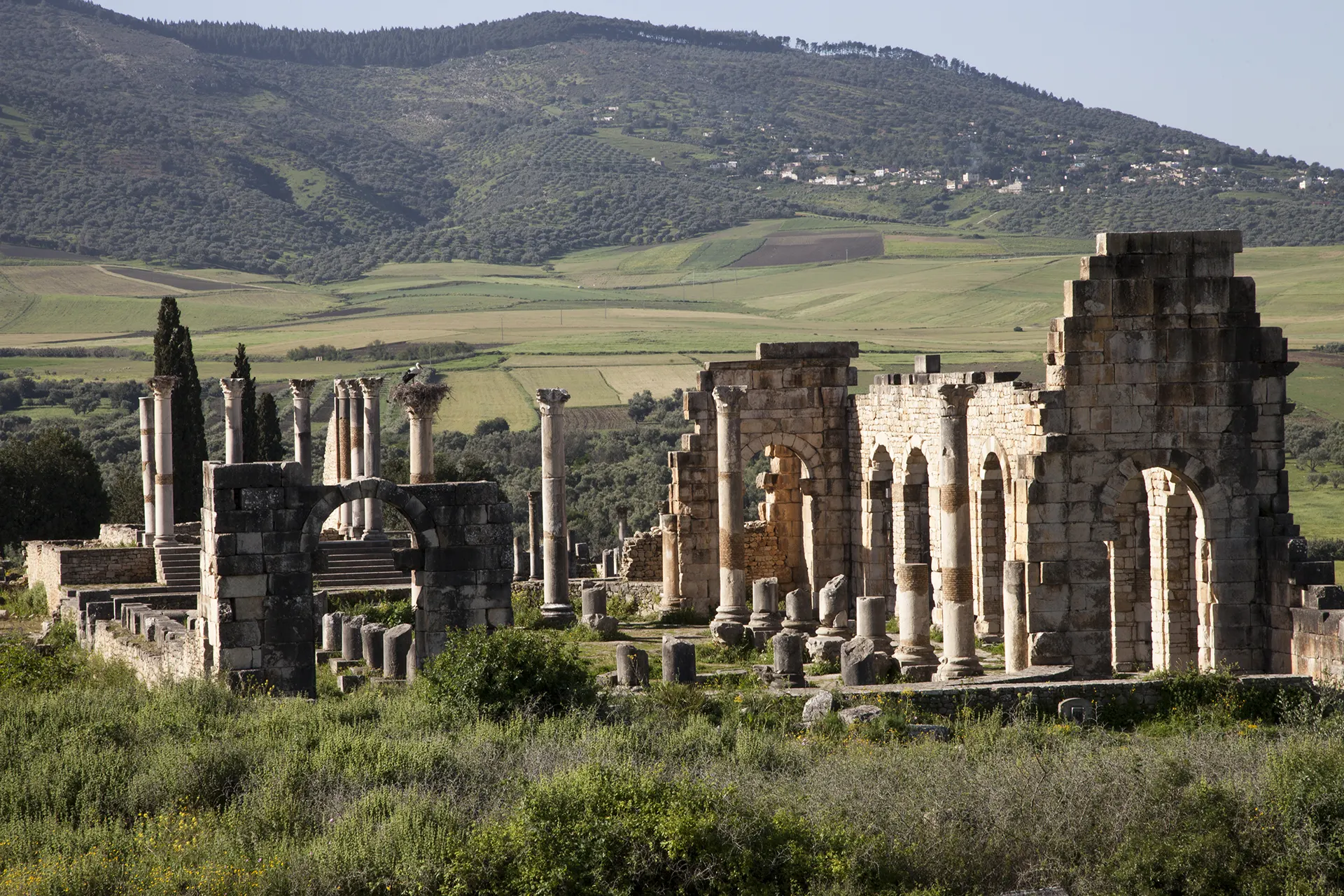
Volubilis exists as a 5000-year-old city that reached its peak during Roman Empire rule. The city has maintained its ruins because it exists in a remote area of Morocco. Visitors can see the well-preserved structures like the aqueduct, triumphal arch, and thermal baths.
The ruins contain their most valuable elements through their intricate mosaics, which include the mosaics found in the House of Orpheus. Volubilis architecture displays design elements from Mauritanian, Roman, and Arab Islamic building styles.
You may also read :- Best Tourist Attractions In The World: Must-See Places For Every Traveler
3. Prambanan Temple Compounds, Indonesia
The Prambanan Temple Compounds, which contain Hindu and Buddhist temples, date back to the 9th century and lie on the island of Java. The towering temples dedicated to Vishnu, Brahma, and Shiva have survived through multiple earthquakes and volcanic eruptions, which damaged the site.
The site features detailed bas-reliefs that show the Ramayana epic through sculptures that project figures from a flat background. The temple site features performances of the Ramayana Ballet, which visitors can watch.
4. Ancient Merv, Turkmenistan
Merv's existence goes back twenty years because it started as a thriving oasis city that served as a Silk Road trading location. Genghis Khan's forces destroyed the city, which had become famous for its cultural and scientific importance, in 1221. The main tourist sites of the area contain mosque ruins and Buddhist monastery remains and mausoleum structures.
Scholars from different regions visited Merv because it served as an intellectual center that brought together Omar Khayyam and other scholars. The archaeological park of the city offers visitors a chance to discover its extensive area, which contains remains from its former glory and its defensive walls and canals and orchards that once sustained the wealthy city.
5. Hegra Archaeological Site, Saudi Arabia
The ancient Nabataean city of Hegra functioned as a major trade center and a religious hub from the 4th century B.C.E. until the 1st century C.E. The main attraction of Hegra, which lies in Saudi Arabia, consists of more than 100 tombs that have been sculpted into the sandstone cliffs.
Hegra, unlike its sibling city Petra, offers tourists an untouched environment that enables them to experience peaceful surroundings. The site, which became a UNESCO World Heritage site in 2008, is well known for its Greco-Roman and Egyptian-influenced carvings and inscriptions in Nabataean
6. Petra and siq al-Barid, Jordan
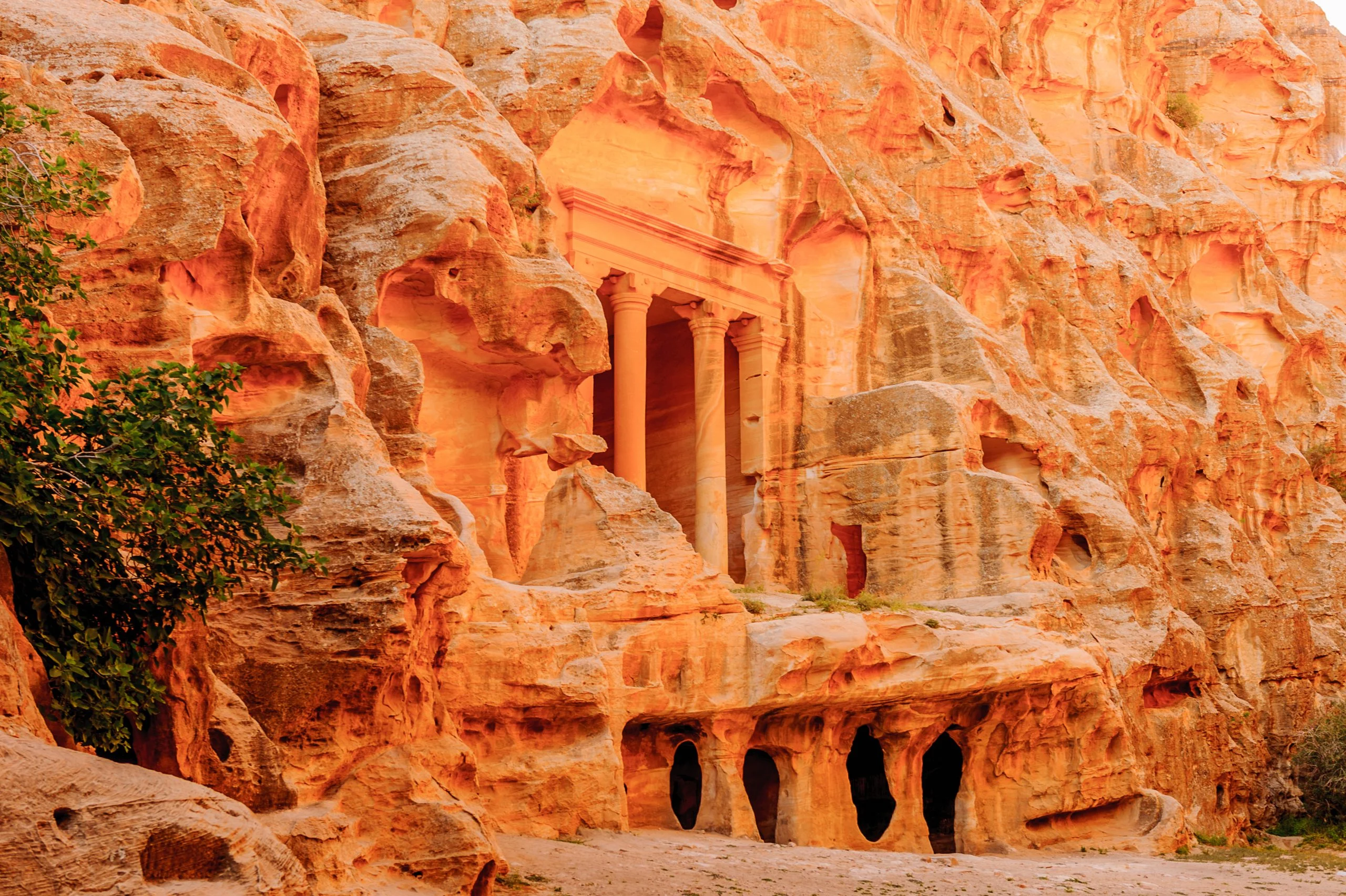
Petra exists as a historical site that has existed for more than 1000 years. Petra stands today as one of the most renowned archaeological sites in the world. The Nabataean Kingdom established Petra as its capital, which features sandstone cliff carvings that include the Treasury (Al-Khazneh) and the Monastery (Ad-Deir), which emit a pink glow during twilight.
The site receives annual tourist numbers that reach millions. Visitors who prefer less crowded experiences should visit Siq al-Barid, which lies to the north of Petra.
7. Prambanan Temple, Indonesia
The Prambanan Temple Compounds, which the Javanese dynasty constructed during the 9th century CE, represent Indonesia's biggest Hindu temple complex. The site dedicated to the Hindu gods Brahma, Vishnu, and Shiva originally contained 240 temples, but many of these temples have been destroyed or damaged through time.
The complex was deserted by its occupants because its construction had just been completed. The site is listed as a UNESCO World Heritage site and attracts visitors who also go to Borobudur Temple, which is the biggest Buddhist temple in the world.
8. Valley of the Temples, Italy
The Valley of the Temples, or Valle dei Templi, in Agrigento, Sicily, stands as one of the most important sites that showcase ancient Greek architectural design. The site contains seven exceptionally preserved Doric temples whose construction occurred between 510 BCE and 430 BCE, including the Temple of Concordia and the Temple of Juno.
The location contains both complete ancient city defensive structures and burial grounds from ancient times. A hot tip—literally—don't visit here when the sun is highest without some serious sunscreen and a big bottle of water.
9. Skellig Michael, Ireland
The island of Skellig Michael is located in the Atlantic Ocean approximately 12 kilometers from the County Kerry coastline. The site became famous because of its unique architectural style, which included beehive-shaped stone huts that served as monastic living quarters.
The location served as a filming site for Star Wars because its beehive-shaped stone huts provided an uncommon visual appearance. Skellig Michael is famous for its diverse bird populations, which include puffins and the world's biggest gannet breeding colony, and for its presence of grey seals.
10. Gwalior Fort, India
Gwalior Fort in India has seen several rulers and dynasties over the centuries and is considered by UNESCO to be one of the greatest architectural examples of 'intercultural exchange.'
The site displays its extensive fortifications together with its detailed architectural designs of palaces and temples, which occupy the entire territory. The fort contains the Chaturbhuj Temple, which holds one of the most ancient zero-number inscriptions known to exist.
FAQ
1. What are some lesser-known ancient ruins worth visiting?
Some underrated yet fascinating ancient ruins include Volubilis, Ancient Merv, and Hegra Archaeological Site, all offering rich history without overwhelming crowds.
2. Why is Carthage historically important?
Carthage was a powerful Phoenician city and a major rival of Rome before being destroyed during the Punic Wars. Today, visitors can explore its Roman ruins and cultural legacy.
3. What makes Petra unique?
Petra is famous for its rock-cut architecture, including the iconic Treasury (Al-Khazneh). Its pink sandstone cliffs and ancient Nabataean engineering make it one of the most remarkable archaeological sites in the world.
4. What is special about Prambanan Temple Compounds?
These 9th-century temples in Indonesia are dedicated to Hindu gods like Brahma, Vishnu, and Shiva and feature detailed carvings depicting the Ramayana epic.