Let's be honestEurope can drain your wallet fast if you're not careful. One day you're eating fresh pasta by a canal, the next you're staring at your credit card bill, wondering where it all went. But here's the good news: you can save money in Europe without feeling like you're missing out. You just need the right tricks up your sleeve. I'll walk you through the easiest ways to keep more cash in your pocket, from budget travel moves to everyday habits locals swear by. Ready to stretch your euros further? Let's go.
What's the real cost of traveling in Europe (and why does it add up so fast)?
People think Europe is one big deal. Sometimes it is, but little things add up: tourist taxes, pricey restaurants, trains that cost more than flights. Even bottled water isn't cheap in some cities. Why? Because Europe knows tourists will pay for "the experience." But that doesn't mean you have to play along.
- Eating out every meal: adds up
- Buying single-ride tickets: more expensive than day passes
- Falling for "must-see" attractions: not always worth the cash
- Roaming charges: your phone bill might haunt you later
Here's the trick: act a little more like a local and a little less like a tourist.
How do you find cheap accommodation in Europe?
Hotels can crush your budget, especially in big cities. The affordable Europe travel crowd knows this: hostels, guesthouses, and even rental rooms are game-changers. You might think hostels are just wild parties and bunk beds, but plenty now are cleaner, quieter, and cooler than budget hotels.
- Look for "private rooms" in hostelsthey're way cheaper than hotels
- Try apartment rentals if you're staying a week or more
- Guesthouses and B&Bs sometimes include breakfast, which means one less meal to pay for
- If you have friends or family around, don't be shyEuropeans love guests
Once, I stayed in a farmhouse in Portugal. Cost me less than a dorm bed in London, and I got fresh eggs for breakfast. Sometimes the best deals are outside the big cities.
Can you really travel around Europe on a budget?
Absolutely. The secret is mixing cheap ways to travel Europe together. Don't just stick to trains or planes. Local buses, ride-shares, and even just walking everywhere will save you more than you think.
- Book trains and buses earlylast-minute tickets are way pricier
- Compare budget airlines, but watch those luggage fees
- Use city transit passes for unlimited rides (usually pay off fast)
- Walk when you canEuropean cities are built for it
Once, I tried to "save time" by flying between two cities that were only a short train ride apart. Between airport lines and transfers, the train wouldve been faster and cheaper. Dont fall for the speed trapits often a wallet trap too.
How do locals in Europe cut everyday costs?
Locals know all the Europe money saving tips. If you watch them, theyre barely spending on things visitors blow cash on.
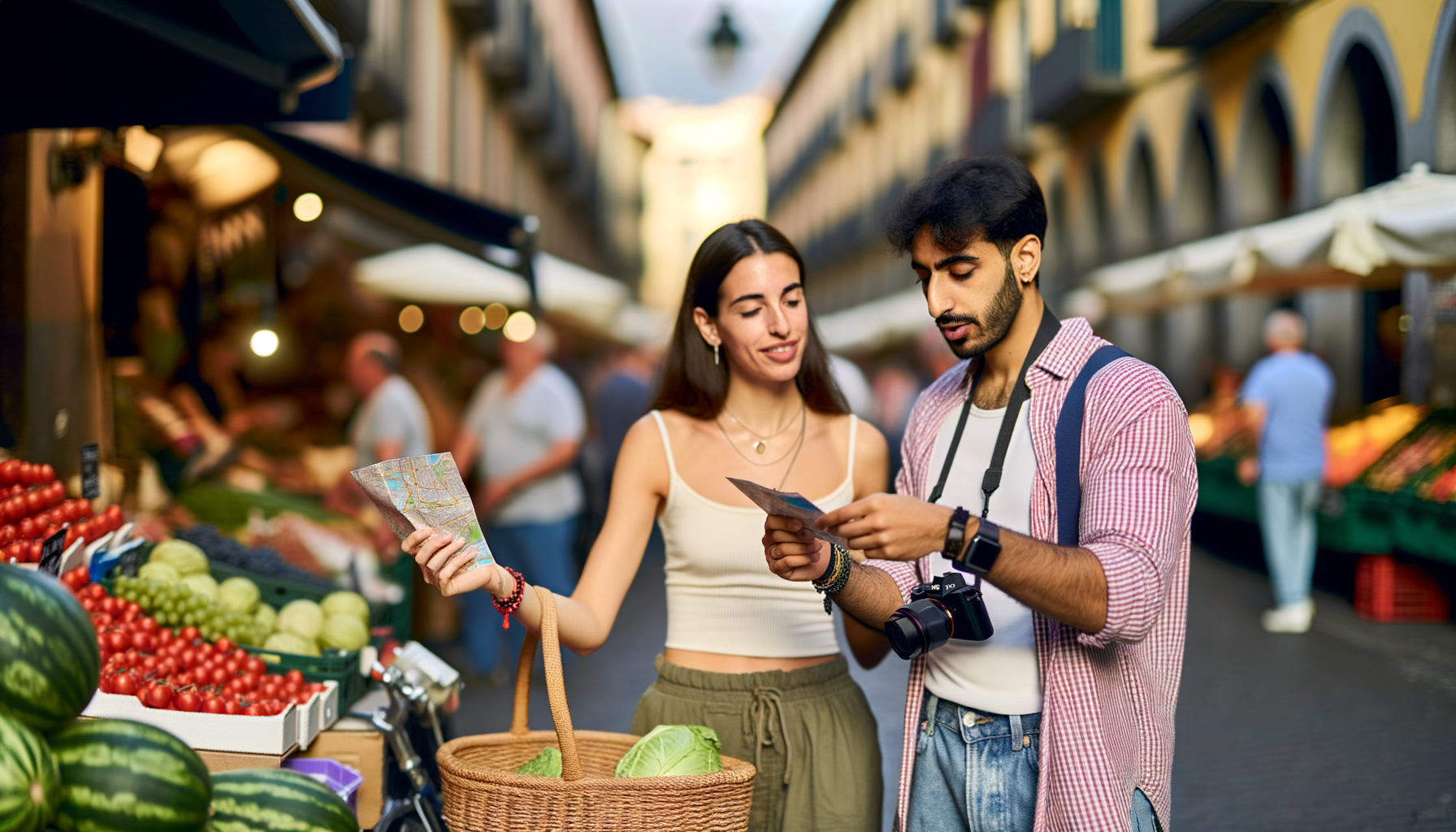
- Market shopping: Skip tourist shops and buy snacks, fruit, or cheese from local markets
- Lunch specials: Eat your big meal at lunch, its almost always way cheaper
- Tap water: Free and safe in most places, ask for it instead of bottled every time
- Happy hours: Drinks get expensive at nightlook for pre-dinner deals
I learned to never pay for water in Italy after my first trip. Confidence tip: hold out your empty bottle and say "Acqua del rubinetto" (tap water) with a smileworks every time.
Is it possible to see the best sights without spending a fortune?
You don't need to buy every museum ticket. Some of the best sights are free or have discount days. Affordable Europe travel means mixing the classic must-sees with what you can enjoy for nothing.
- Free walking tours: Huge in every major city and you tip what you can
- Parks and viewpoints: Great for hanging out, free views, and people-watching
- Discount passes: See if cities offer tourist cards that bundle attractions for less
- Off-peak visiting: Early or late visits are sometimes cheaper
Once, I skipped the big museums in Amsterdam for a day just sitting by the canals. Cost me nothing but time and gave me a better feel for the city than any tour.
What are the top mistakes travelers make that waste money?
Some habits empty your wallet before you even notice.
- Airport taxis: Always more expensive than trains or buses
- Not knowing currency conversion: Fees eat up your budget fast
- Buying "skip the line" at every sight: Not always needed, especially in shoulder season
- Overpacking: Checked bag fees add up quickly
Years ago, I showed up with a huge suitcase packed for "every situation." Turns out, all you need is a few outfits and youll save money, back pain, and time.
Simple daily habits that help you save money in Europe fast
Want to spend less right away? Try these quick switchesthey add up.
- Make breakfast yourself: Yogurt, fruit, and fresh bread from any shop
- Use refillable water bottles: Tap is safe almost everywhere
- Keep coins and small bills for toiletssome are pay-to-use
- Track your expenses: Even a quick note on your phone stops overspending
Budget travel Europe isn't about saying no to everything goodit's about making smart swaps so you can say yes to the stuff you care about. Soon enough, these little habits become second nature.
FAQs
- How much money should I budget per day for Europe travel?
Start with 50-100 per day if you're traveling on a budgetthat's covering basic accommodation, local transport, and food. Big cities and tourist hotspots might need more. Always factor in a little extra for emergencies or treats (like gelato). - Are cheap flights in Europe really a good deal?
Yes, but watch out for hidden feesthings like checked bags, seat selection, and printing boarding passes can add up. If you can travel light and be flexible, budget airlines can be the cheapest way to hop between countries. - How can I avoid ATM and credit card fees in Europe?
Use debit or credit cards that don't charge international fees. Always pick to pay in euros, not your home currency, when you get the choice. And take out cash in bigger amounts to dodge extra ATM charges. - Is it safe to use public transport at night in Europe?
Usually yes, especially in most Western European countries. Still, keep your wits about you. Stay in well-lit areas, watch your stuff, and trust your gut. If something feels off, call a taxi or use a ride app. - What are the best apps for budget travel in Europe?
Apps like Citymapper for transit, Hostelworld for beds, and XE Currency for money conversions are super handy. Google Maps is also a lifesaver for getting around without blowing money on taxis. - Can I drink tap water everywhere in Europe?
Most places have safe, tasty tap watercountries like Switzerland, France, Germany, and the UK especially. Always double-check in smaller towns or older buildings. If you're not sure, ask a local or look for public drinking fountains.
Saving money in Europe isn't about going without. It's about being smart, choosing what matters, and using tips that work. Try a few of these ideas on your next trip and see how much farther your money will go.