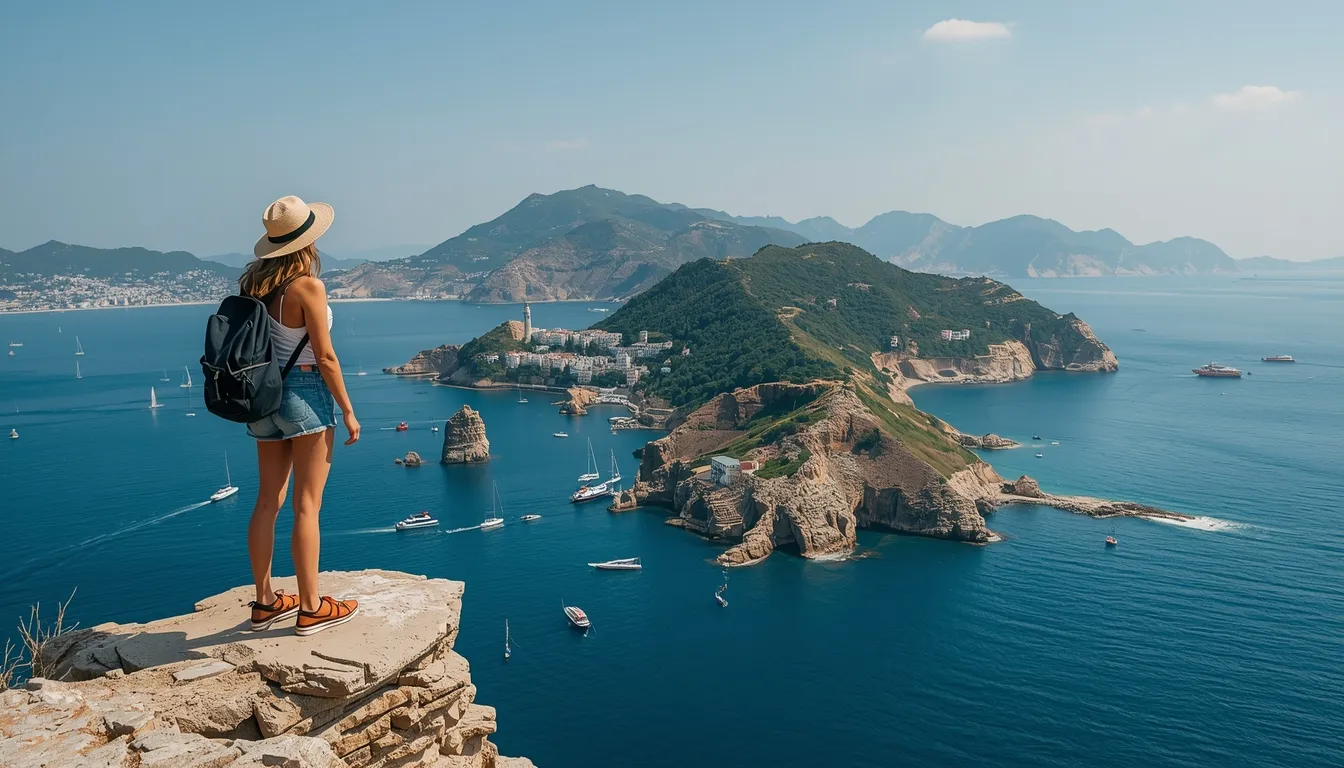
Ever feel like you've seen the same vacation photos a million times? Mountains covered in crowds, forests echoing with camera clicks, beaches more selfie than sand. If you're sick of the same old, it's time to talk about hidden nature destinations. These are the quiet corners of the world, far from tourist buses and noisy crowds, where nature still feels wild and personal. You're about to find out how to reach those places most people don't even realize existand why they're worth the adventure.
Why Do Hidden Nature Destinations Matter?
So, what's the big deal about places nobody talks about? For one, you finally get to breathe. No shoulder-to-shoulder lines, no souvenir shops on every corner, no one bumping into you for the perfect shot. Spots like these let you slow down, reconnect, and actually hear the birds instead of traffic. Plus, with popular sites getting busier (and business-friendly), the real magic is now in the places off the map.
- Your photos really are unique
- More chance to spot wildlife
- Cleaner air and quieter nights
- Helps protect sites from overtourism
A remote spot can mean more effortrough roads, less info online, no luxury resorts. Still, that's kind of the point. You get an honest slice of nature, the version locals know and love.
How to Find Truly Secluded Natural Spots
Everyone asks, 'How do you even find these places?' Honestly, Google won't save you here. The good stuff hides from obvious searches. Here's how real nature buffs track them down:
- Talk to locals, ask for their favorite escape
- Use topographic maps instead of travel blogs
- Join hobby groups (birdwatchers, trail runners, kayakers)
- Avoid spots with 'Top 10' lists and glossy ads
- Say yes to awkward detours off the main route
Sometimes its about being brave enough to turn down an empty road just because youre curious.
Hidden Nature Destinations Around the World: Where Nature Still Feels Wild
1. The Chimanimani Mountains, Zimbabwe
You won't find busloads of tourists here. The Chimanimani range is all wild peaks, mist, and crazy rock formations. Trails are tough, but if you love finding secret waterfalls or rare birds, its worth the effort. Forget fancy hotelsthink rustic lodges and small family-run guesthouses.
2. Saji Village, Japan
This little corner in Tottori prefecture barely shows up on maps. Surrounded by rolling hills and old-growth forest, it's famous for impossibly clear rivers and glimpses of Japanese serow (a goat-antelope menu item youve probably never seen). Stay with a local family to really get why rural Japan is special.
3. Lake Manapouri, New Zealand
Milford Sound draws the crowds, but locals will tell you Lake Manapouri is the real gem. The lakes blue seems unreal, with almost nobody around except the odd fisherman or kayaker. Its a starting point for multi-day hikes into untouched forest, but even a few quiet hours skipping stones is magic.
4. Los Estoraques, Colombia
Desert sand turns to wild stone towers here. Los Estoraques never gets the fame of Colombias coasts or coffee valleys. What it offers: lunar landscapes and epic sunsets, barely any tourists, and endless spots to picnic or just lie on the rocks.
5. Tsingy de Bemaraha, Madagascar
This place looks like the earth grew itself a forest of razor-sharp stone. Getting here involves bumpy roads, ferries, and serious patience. Once youre in, though, theres nowhere else like it on Earth. Lemurs bounce above your head and you might not see another soul for hours.
6. Sareks National Park, Sweden
If you want to feel truly alone with nature, head north. Sareks offers no marked trails, no phone signal, no visitor centersjust endless wild rivers, reindeer herds, and high mountain passes. Its adventure for people who are ready to be self-sufficient. Bonus: the silence feels unreal.
7. Pantanal Matogrossense, Brazil
The Amazon gets all the hype but the Pantanala massive wetland the size of a small countryhides more wildlife with way fewer people. River cruises let you spot jaguars, giant otters, and birds straight out of a comic book. Watch your step: its intensely pure and untamed.
8. The Azores, Portugal
These volcanic islands float in the Atlantic between Europe and America. Hikers, whale-watchers, and anyone who loves green valleys will feel at home, especially since most tourists dont make it past mainland Portugal. Steaming geysers, empty crater lakes, and black sand beachesperfect if you want your own secret paradise.
How to Make Your Visit Count in Hidden Nature Destinations
If you do find one of these spots, the golden rule: dont ruin whats special about them. That means:
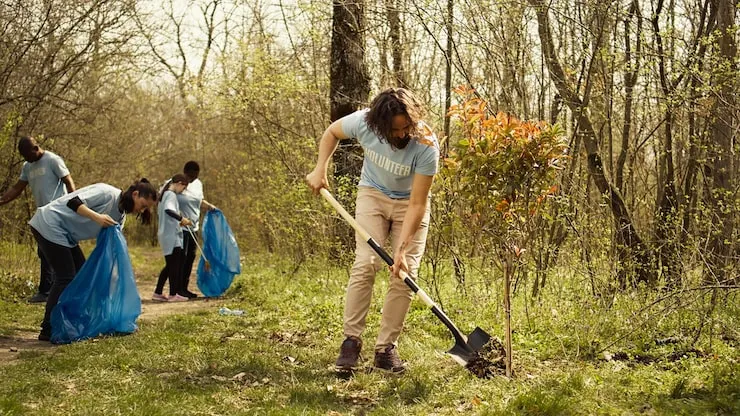
- Pack out everything (yes, even apple cores)
- Use existing routes and sitesavoid blazing new trails
- Strictly follow local rules and advice
- Support small, local businesses where you can
- Share your finds with care; leave some secrets just for you
Getting off the beaten path is a privilege. It comes with responsibility. Treat these places gently and they'll stay amazing for the next person.
Common Mistakes When You Hunt for Undiscovered Nature Getaways
Its not all postcards and wide-open spaces. Planning trips to truly offbeat nature travel spots can get tricky, fast:
- Missing supplies (remote places = no last-minute shopping)
- Assuming phone signal or GPS works everywhere
- Forgetting about permits or local customs
- Poor time planningsome spots take way longer to reach
- Ignoring weather alerts (conditions can change suddenly)
Once, I ran out of water six hours from anywhere in Zimbabwe. Not smart! Bring more than you think you'll need. Do homework on weather, gear, and how to reach help if you need it. The goal is to enjoy the wild, not get into trouble.
Are Hidden Nature Destinations Always Better?
Not every secret place is better just because it's secret. Sometimes there's a reason why locals keep away: bugs, tough climate, or wild animals. Expect rough patchesliterally. But you also get moments nobody else gets, like watching dawn break over a misty lake, with nobody else around for miles.
What Happens When These Hidden Places Get Popular?
Here's the catch: when word spreads, sometimes paradise doesnt last. Too many visitors can change delicate spots forever. Thats why locals are protective of undiscovered nature getaways. The best thing? Soak it in, enjoy it, and share stories without blasting every detail online. Close friends? Yes. All of Instagram? Maybe not.
How Do You Start Planning Your Own Offbeat Nature Travel?
It doesnt have to be a global trip. There are remote nature destinations closer than you thinkeven in your home country. Open a map, pick a green patch with no icon, and start snooping. The adventure starts with the decision to look beyond everyone elses bucket list.
- Look up state or national parks that rarely make the news
- Use social media creativelyfind people, not places, doing cool trips
- Try slow travel: walking, biking, even canoeing, lets you spot the tiny corners others speed past
- Say yes to random invitations from trusted locals
Start small and work up to wilder trips. The more you practice, the easier it gets to find your next secret spot.
Final Thoughts
The most memorable adventures rarely come from the most photographed places. Try swapping busy sites for hidden nature destinations, and discover the kind of quiet that sticks with you long after you get home. You might not come back with perfect cell signal, but youll have stories nobody else can tell.
FAQs About Hidden Nature Destinations
- Where can I find secluded natural spots near my city?
Start by looking for local parks or conservation areas outside the big tourist spots. Ask people in outdoor clubs, or check forums where locals share favorite peaceful spots. Some of the best getaways are just an hour's drive from busy cities. - Is it safe to travel to these undiscovered nature getaways alone?
Many are safe, but always plan ahead. Let someone know your route, pack for emergencies, and don't go outside your skill level. Remote places mean slower help if needed. Traveling with a friend or guide can add peace of mind. - How do I make sure I'm not harming the offbeat places I visit?
Tread lightly. Pack out all trash, stick to marked paths, and respect rules set by locals or rangers. Don't feed animals or pick plants. Supporting local businesses helps protect these areas too. Small actions make a big difference. - What's the best time of year to visit remote nature destinations?
It depends on the spot. Some are best in spring or fall, when weather is mild and crowds are minimal. Research before you golocal weather changes, wildlife habits, or access rules can all affect your experience. - Are there apps that help find hidden nature destinations?
Some apps like AllTrails and iNaturalist can point you to new spots, but the truly hidden places usually arent listed. Try talking to locals and tapping into niche travel groups online for lesser-known suggestions. - How do I get started if Ive never been on an offbeat nature trip before?
Begin with short trips to nearby quiet parks. Pack basic gear and see what you enjoy. As you get comfortable, branch out into longer or more remote adventures. Each trip builds confidence and makes the next one easier.