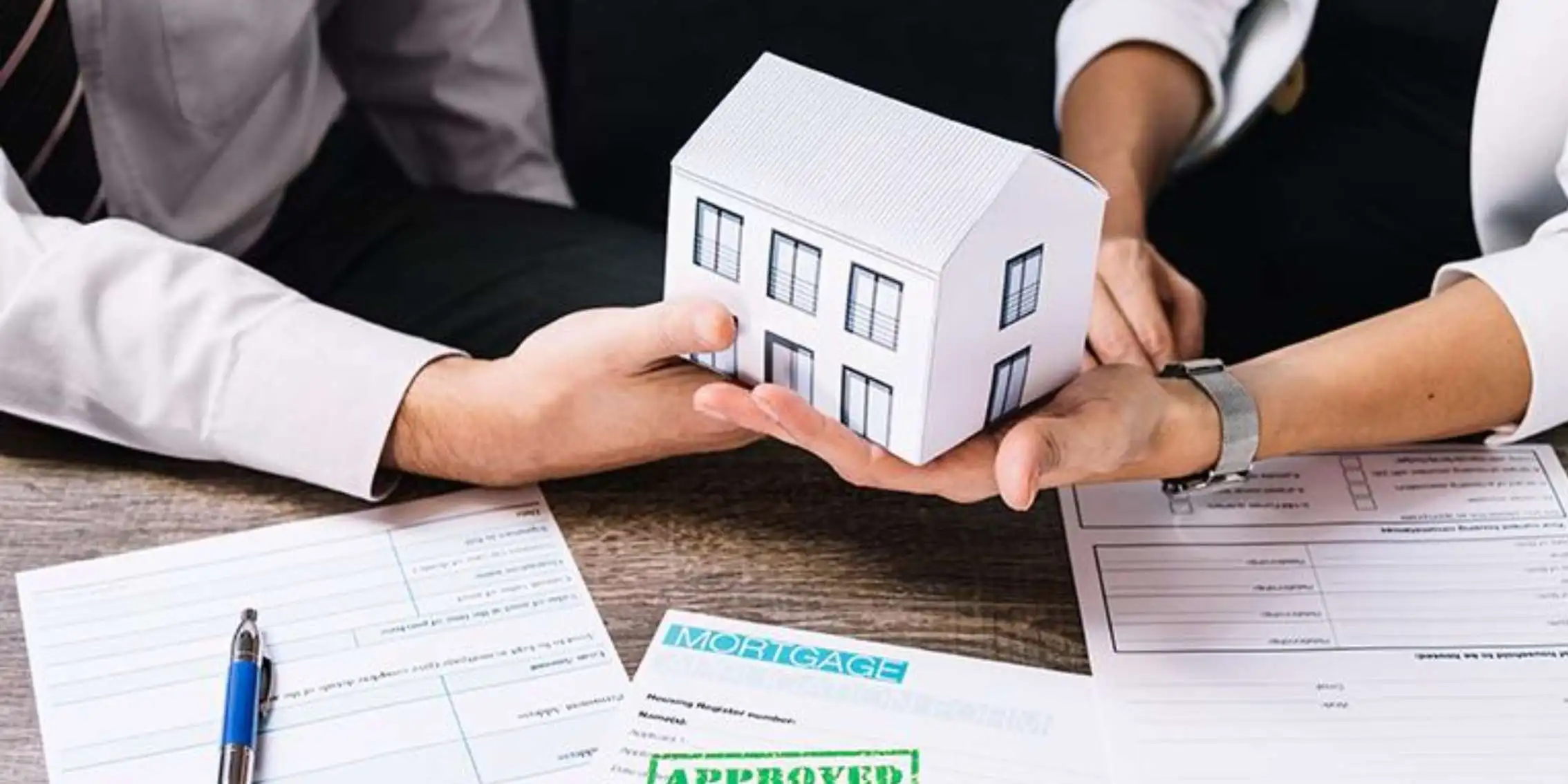
You spot the perfect spot for your bakery, gym, or office. Rent? Not this time. You dream of owning the place. But banks, interest rates, and paperwork make it feel impossible. What if you could grab those keys with low mortgage rates for business, and it didn't cost your sanity? Let's break down how these rates work, why they're actually reachable, and what it takes to land them (even if your pockets aren't deep).
What Are Low Mortgage Rates for Business, Really?
Low mortgage rates for business just means you pay less in interest over time on your property loan. It's like getting a discount, but instead of a coupon, it's cash saved every month (and year). Business mortgage rates and commercial mortgage rates can swing up and down, making that payment either a breeze or a backbreaker.
- Your goal: Lock in the lowest rate possible for your situation
- Why it matters: Lower rates = lower payments = more money for your actual business
- Common mistake: Thinking 'best rate' = 'best deal' (total loan costs matter too)
Here's where most people trip up: Focusing only on what the bank advertises. Sure, you see 6% on websites, but that's not what everyone pays. Your rate depends on your business, the property type, your credit, and the loan terms you choose.
Why Finding Affordable Business Loans Isn't Just for the Rich
People assume only big companies or franchises get sweet deals. Not true. Affordable business loansand low mortgage rates for businessare out there for newbies and local owners. Lenders want your business. Competition keeps them honest, especially when the economy slows down and banks need borrowers.
- Local banks and credit unions sometimes beat big banks on small business mortgage rates
- SBA loans offer government backing, making rates competitive (but paperwork is a real grind)
- Online lenders may respond fast, but rates can vary wildly
The trick? Do your homework and ask around. Don't settle for the first rate a lender quotes. Always ask, 'Is this your best offer?'
What Impacts Business Mortgage Rates?The Not-So-Secret Sauce
Ever wonder why your buddy with a pizza shop got a better rate than you? Here's what sets business mortgage rates:
- Credit score: Higher scores = lower rates. Period.
- Property type: Office buildings, warehouses, or special-use (like daycares)each comes with different risk for the bank.
- Down payment: More cash down means less risk for the lender, which can mean a better rate.
- Loan term: Payback over 10 years costs more monthly, but saves big on interest compared to 25 years.
- Market rates: Sometimes you've just gotta play the hand the economy deals you.
Banks will ask for everythingtax returns, profit & loss, business plan, and sometimes your personal assets as backup. Annoying, but they're lending big money and want to get paid back.
How to Get the Best Commercial Mortgage Rates
Heres the playbook:
- Killer credit: Fix mistakes, pay bills, reduce card balances before you even call a lender.
- Proof of income: The more stable your business looks on paper, the lower the risk (and rate).
- Compare options: Never get just one quote. At least three, even if it takes an afternoon of emails and calls.
- Consider different loans: Traditional, SBA-backed, and even seller-financed mortgages can offer different terms and rates.
- Negotiate terms, not just rate: Fees, penalties for early payoff, and flexibility matter too.
Story time: A friend running a dog grooming shop was about to sign a loan at 8%. One extra email to a local credit union? She locked in 6.3%. Over ten years, that saved her more than $15,000. One email. It really is worth haggling.
Business Property Financing: What If You Can't Get the 'Perfect' Rate?
No one wants to hear this, but sometimes you won't qualify for the lowest rate. Maybe your business is new, your credit needs work, or the property is riskier to lenders. That doesn't mean you're sunk.
- Look into creative financing: Seller financing, lease-to-own, or partner with an investor
- Improve your loan application: Even three more months of better revenue or a bigger down payment can help
- Use the property as leverage: Some lenders will offer better rates if you use more collateral
If the rate isn't Instagram-worthy, ask for smaller perks: Lower fees, extra months before payments start, or a flexible payment schedule can help offset a higher interest rate.
Small Business Mortgage Tips Nobody Tells You
- Always check the total costnot just monthly payments. Some loans look cheap up front, but hidden fees pile up.
- Ask for an amortization schedule before you sign. It's like a roadmap of what you'll pay over the life of the loan.
- If you can, use a business mortgage broker. Theyre like matchmakers, but for banks and buildings.
- Watch loan-to-value ratio (LTV)it's how much you're borrowing vs. what the place is worth. Lower LTV gets better rates.
- Red flag: Prepayment penalties. You want to be able to pay off early if business booms.
Youre not the first to sweat these steps, and you wont be the last. Being thoroughand a little annoying with your questionscan save you huge money for years.
How to Spot Low Mortgage Rates for BusinessAnd Not Get Fooled
Some deals are too good to be true. Flashy ads may leave out extra fees, insurance costs, or special 'introductory' rates that shoot up after the first year. The best rates mean nothing if the rest of the deal is lopsided.
- Always read the full loan estimate documentask for it in writing
- Ask: Is this a fixed rate or can it change later?
- Check fees for loan setup, legal, and ongoing adminyou can haggle these too
Bonus: Plug the numbers into a business mortgage calculator. If the math doesn't add up, walk away.
Is Now a Good Time to Lock in Business Mortgage Rates?
People stress about 'perfect timing.' Truth is, nobody knows where rates will go. Some years are better than others, but waiting forever means you might miss your opportunityor that prime storefront someone else snapped up.
- If interest rates are low (or even just reasonable), and your business is ready, go for it
- Refinancing is always an option later if rates drop further
Remember: Owning your business property can be a game changer for profits and stability. Renting might feel easier, but mortgage payments build your wealth, not your landlord's.
Final Thoughts: Bet on Yourself
Yes, the process is a pain. Yes, the paperwork is thick. But landing low mortgage rates for business can move you from 'barely scraping by' to 'building real equity.' Take it step by stepresearch, ask questions, push for a better deal. Your business deserves a shot, and so do you.
FAQs About Low Mortgage Rates for Business
- How do I get the lowest business mortgage rates?
Start with great credit, strong business income, and a big down payment. Shop around and get at least three quotes. Don't be scared to ask for better rates. Lenders expect you to negotiate. - What's the difference between business mortgage rates and commercial mortgage rates?
They're basically the samethe terms get swapped a lot. Both refer to loans for business properties, not houses. The rate depends more on the type of property than what you call it. - Are small business mortgage loans hard to get?
They can be tricky, especially if your business is new or doesn't have much revenue yet. But many lenders, especially local banks or the SBA, work with small businesses all the time. Be honest about your numbers and get your paperwork ready. - Is it better to get a fixed or variable rate for my business lon?
Fixed rates mean your payment stays the same. Variable rates can change, usually going up after a set period. If you want predictability and plan to hold the property for years, fixed is safer. If you plan to sell or refinance soon, variable might save some cash up front. - How much down payment do I need for a business mortgage?
Most lenders want 20% to 30% down. Some SBA loans let you go lower, maybe around 10%. A bigger down payment usually gets you a better rate, though, and saves money over time. - Can I refinance a business mortgage if rates go lower?
Yes. If rates drop, you can apply to refinance with the same or a new lender. You'll go through a similar approval process but could end up with smaller monthly payments.