So you're thinking about putting money into property? Smart move. But here's where it gets tricky - residential or commercial? Everyone's got an opinion. Both bring in rental income, sure. But which one actually fills your bank account faster? That's what matters.
This question keeps investors up at night. You see residential properties everywhere. Makes sense - people need places to live. Then someone mentions commercial properties and suddenly you're hearing about these huge rental checks from businesses.
Here's the reality. There's no perfect answer that works for everyone. Both have good points and bad points. What works great for your friend might be terrible for you. Your choice depends on basic stuff. How much cash do you actually have? Can you handle risk? What's your experience level? These things matter more than you think.
This article breaks everything down for you. Real numbers. Real risks. Real situations. No confusing jargon or fancy talk. Just the facts you need to make a solid decision. We'll cover the money side, the risks, and most importantly - what you're really signing up for.
Understanding the basics
Residential property is simple. It's where people live. Apartments, houses, condos - you know, homes. Your tenants are regular folks who need a place to sleep at night. They sign a lease, pay rent every month, and boom - you're a landlord.
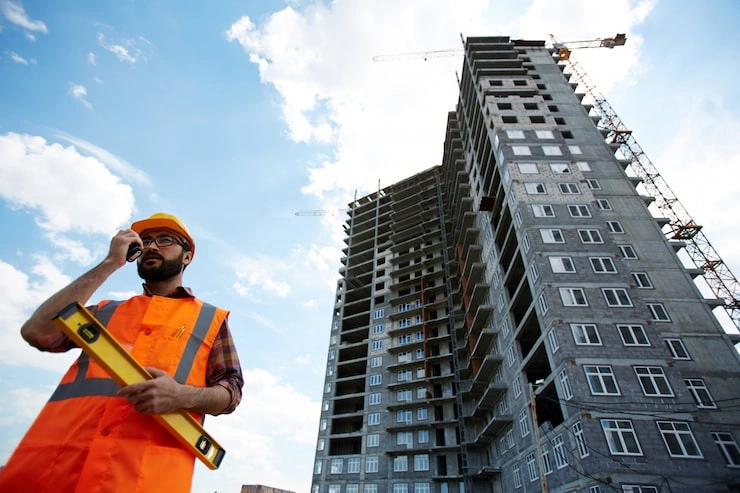
Commercial property? Totally different world. These are spaces where business happens. Office buildings where people work. Retail shops selling products. Warehouses storing stuff. Restaurants serving food. Your tenants aren't individuals anymore - they're companies. Businesses that need space to operate and make money.
You might think "one's for living, one's for business, so what?" But this difference changes everything. How the property operates. Who you're dealing with. How much rent you charge. What problems hit you at 2 AM. Everything.
The money talk: Comparing rental yields
Let's talk about what you actually care about. Money. How much can you make? Here's the deal - commercial properties usually give better rental yields than residential. We're looking at 6% to 12% annually for commercial. Compare that to residential at 3% to 6%. That's a big gap on paper.
Why do businesses pay so much more?
Simple. Businesses need space to make money. A coffee shop on a busy street brings in customers and sales every day. An office in the business district? Companies need that address to look professional and meet clients. These businesses earn money from that location. So they can afford higher rent. They're not just living there - they're profiting from being there.
Plus - and this is huge - commercial leases run way longer. We're talking 5 years, 10 years, sometimes more. That's stability you don't get with residential where people move out after a year or two. Some tenants barely last six months. Sounds perfect, right?
Here's the catch nobody mentions in those investment seminars. Commercial properties cost way more to buy upfront. You need serious money. Real money. A tiny retail space in a decent location can easily cost as much as several residential properties. So yeah, better returns percentage-wise. But you need way bigger pockets just to start.
Lease terms matter more than you think
This is where commercial really shines. Commercial leases are long and detailed. When a business signs up for your space, they're committing for years. Five-year leases are common. Some go even longer.
You know exactly what's coming in every month. And for how long? Years. That's predictable income. Makes planning way easier. Banks love seeing that guaranteed income stream when you apply for loans. And honestly? You sleep better knowing that money's locked in.
Residential leases? One year max, usually. Sometimes month-to-month. People move for jobs, relationships, life changes. Your apartment could be empty next month. That uncertainty costs you money.
Here's another sweet thing about commercial leases. Often the tenant pays for maintenance, repairs, even property taxes. It's called a triple net lease. The business handles everything and you just collect checks. With residential, you're the one fixing toilets and repainting walls. That's your time and money.
The risk factor you can't ignore
Higher returns usually mean higher risk. That's investing 101. Commercial properties are tied to business success. If the economy tanks, businesses close. Your retail space could sit empty for months or years. During recessions, commercial real estate gets hammered. We saw this recently when businesses shut down and office spaces went vacant.
Here's the thing about residential - people need somewhere to live. Period. Doesn't matter if the economy's crashing or booming. Yeah, rents might drop a bit when times get rough. But people still pay. They don't have a choice. You can't just not have a roof over your head.
A business? They can pack up and move. Shut down completely. But a family with kids? They're finding somewhere to stay no matter what.
Management and maintenance reality check
Managing residential property is hands-on work. Your phone rings at midnight. Heater's broken and it's freezing. Guess who's fixing it? Then there's noise complaints. Neighbor says music's too loud. Next month rent's late. Again. And some tenants completely trash the place. It never ends.
Some investors hire property managers, but that costs money and eats into your profits. Commercial tenants are different. They're running a business, so they're more professional. They handle small repairs themselves. Issues get resolved through proper channels. Less drama, fewer emergency calls.
But when something big breaks? It costs way more to fix. Commercial HVAC systems, specialized electrical work - these aren't cheap repairs.
Location, location, location
Location matters for both. But not in the same way.
Residential? You want good schools nearby. Safe streets where kids can play. Grocery stores and shops close by. People want convenience. They want to feel comfortable where they live. That's what sells. You can invest in upcoming areas and hope they develop over time.
Commercial is all about foot traffic and visibility. A retail space on a side street is worth way less than one on the main road. Businesses need customers to see them. Location can make or break commercial property. The difference between a prime spot and an okay spot isn't small - it's massive.
Your money situation matters
Be real with yourself. How much money do you actually have to invest?
Residential is way more accessible. You can start small. A studio apartment. A one-bedroom condo. Something. Banks are comfortable with residential loans. Down payments are reasonable. You could get started with less than 100k in many markets.
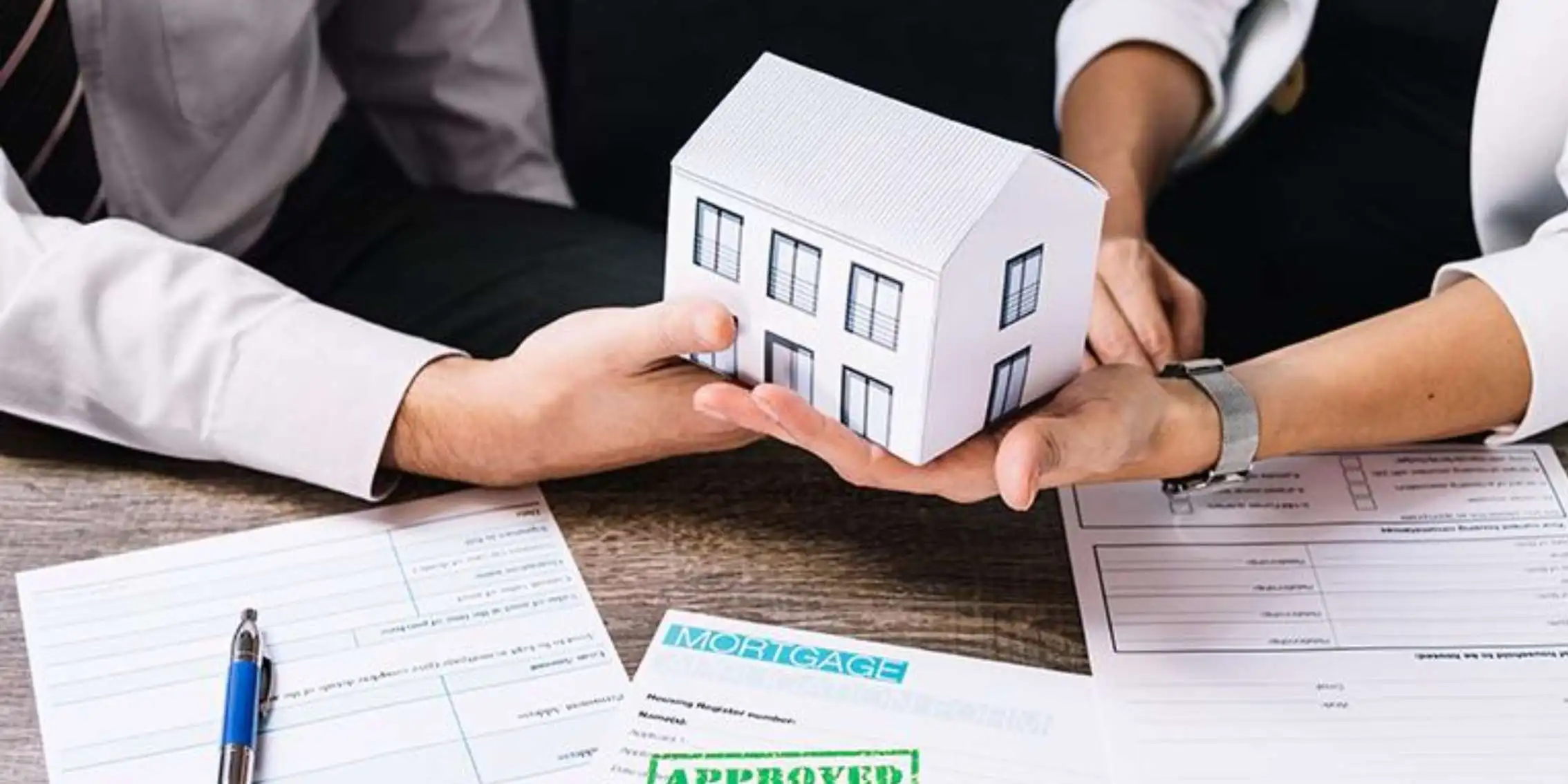
Commercial needs serious capital. We're talking hundreds of thousands minimum, often millions. Down payments are way bigger - 25-30% of the purchase price. And banks? They're examining everything with a microscope. Every document. Every number. They're not making it easy.
Market conditions change things
What works today might not work tomorrow. Right now in many cities, remote work has changed the game for commercial office space.
Companies started shrinking their office space. Some went fully remote. No office at all. Now you've got empty office buildings sitting around in cities. Nobody's renting them. But homes? Still in demand. People need somewhere to live, remote work or not.
But this could flip. If companies bring workers back to offices, commercial could boom again. Or maybe retail spaces become more valuable as shopping habits change. Markets move. You need to pay attention.
So which one gives higher rental income?
If we're talking pure numbers and percentages, commercial properties typically offer higher rental yields. You earn more per dollar invested. A successful commercial property can generate way more income than a residential one of similar value.
But that doesn't automatically make commercial the winner. Higher income comes with higher risk, higher costs, more complexity. You need more money to start, more expertise to manage, more patience to deal with vacancies.
Residential might give lower percentages, but it's steadier, easier to finance, simpler to understand. You can start smaller and learn as you go. The tenant pool is huge because everyone needs housing. Your property won't sit empty long in a decent market.
Final thoughts
This whole residential vs commercial debate? It's not about which is better. It's about what fits you. What fits your wallet? What fits your personality when things get risky? What fits your skill level right now? And what do you actually want? Steady income every month or bigger potential with more uncertainty?
Here's what works for many people. Start with residential. Get comfortable. Build some capital. Then if commercial makes sense, move there. But some investors just pick their lane and stay there. Get really good at one thing. Neither approach is wrong.
Just do the work upfront. Learn your market inside out. Every market is different. And talk to other investors who are actually doing this. Get their real stories. Residential, commercial, or both - whatever you pick, make sure you're deciding based on real information. Not some YouTube guru's hype. Not your cousin's success story. You've got the facts now. The decision is yours.
FAQs
Which property is easier to finance?
Residential wins here, no contest. Banks know residential loans inside out. They're comfortable with them. Down payments are smaller. The approval process is simpler and faster.
Can a beginner start with commercial property?
Can you? Sure, technically possible. Should you? That's different. Commercial needs serious money. You need to know what you're doing. You need nerves of steel. Most people who know this stuff will tell you - start residential. Learn the game first. Then go commercial if you want.
How long do commercial tenants typically stay?
Long time. We're talking 5 years minimum, often 10 years, sometimes more. Compare that to residential where you're lucky if someone stays 2 years. Most residential leases are one year. Some people leave even sooner.