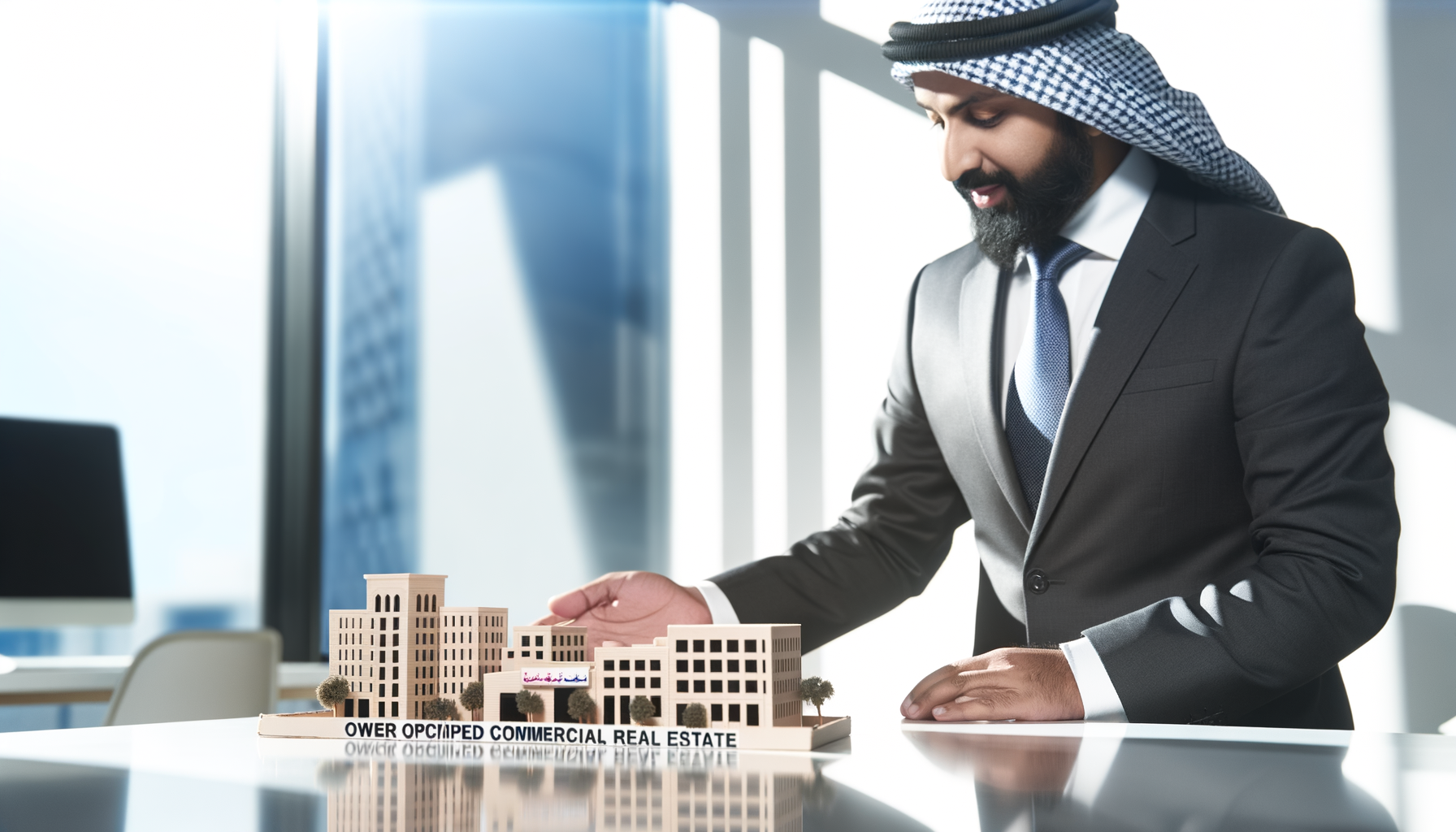
Ever felt like you're throwing money away on rent for your business? You're not alone. Loads of business owners hit a point where they ask, 'Why am I paying off someone else's building when I could own my own?' That's why owner occupied commercial real estate is such a game-changer for people who want control, equity, and real wealth from their business.
What Does Owner Occupied Commercial Real Estate Mean?
It's exactly what it sounds like: you buy the building where you run your business. Instead of being a tenant, you're an owner. The property isn't just an expense anymoreit's an asset that grows every time you make a payment.
- You stop making your landlord rich.
- You secure your own business's future.
- You build something you can sell or borrow against later.
Think of it like upgrading from renting an apartment to buying a house, but for your company.
Why Do Small Business Owners Invest in Their Own Property?
The biggest perk? Stability. No sudden rent hikes. No fear of losing your space when your lease runs out. When you own, you call the shots.
- Your monthly payment can be more predictable than rent
- Any improvements you make benefit your business, not some landlord
- Over time, you build equity, which is fancy talk for 'real value you own'
And when you retire or want to sell, that property is a major chip to cash in.
How Does Commercial Real Estate Investing Work if You Occupy the Space?
Buying commercial property is different from buying a house. The building must suit your business needs, and you'll need a different kind of loan. Most banks want you to use at least 51% of the property for your operations. That means you can rent out any extra space, creating another stream of income.
Here's what the process usually looks like:
- Scout properties that fit your business and budget
- Gather your business financesbanks will want to see you're profitable
- Talk to lenders who specialize in commercial property loans
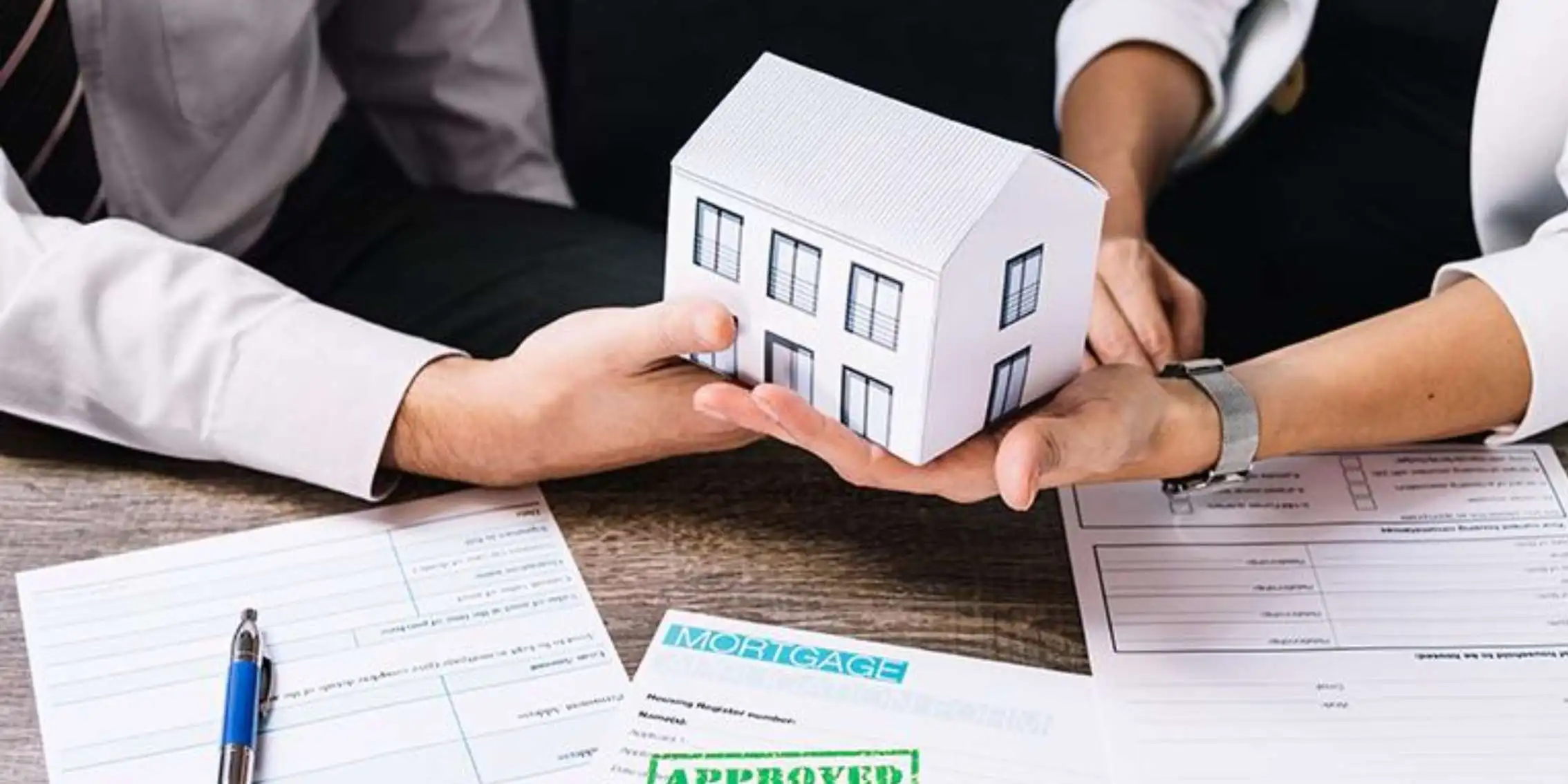
- Negotiate the purchase and close, just like with a housebut with more paperwork
It sounds complex, but once you break it down, it's just steps you take one at a time. And you'll have pros (brokers, loan officers) guiding you along the way.
Common Mistakes When Buying Owner Occupied Property
This process isn't all sunshinethere are some landmines. Many people:
- Underestimate all the costs beyond the mortgage (repairs, taxes, insurance)
- Buy too much building for what they need (too big often means higher bills)
- Forget that owning means you're on the hook for maintenance, not the landlord
Best advice? Start with what you need right now. You can always trade up later if your business keeps growing.
Should You Buy or Lease Commercial Real Estate?
Both have upsides. Leasing is flexible and puts less strain on your cash flow. Buying, though, means you build wealth over time. Ask yourself these questions:
- Do you plan to stay in one spot for at least 7-10 years?
- Is your business stable and profitable?
- Do you want more control and future options for your company?
If you nodded yes, buying might fit. If you're still unsure, that's normal. Many people agonize for months before they finally pull the trigger. And that's okayyou want to get this right.
How Do Commercial Property Loans Work for Business Owners?
Lenders look at both your business and personal finances. You'll need:
- Tax returns and financial statements
- A decent down payment (often 10-20%)
- A plan for how the building fits your business
SBA loans are super popular for small business real estate because you can get in with less money down and longer terms. It still takes paperwork and patience, but the barriers are lower than most people think.
Can Owner Occupied Real Estate Grow Your Wealth?
Here's the best part: every payment you make on your building, you're building equity. Over years, as you pay down the loan and (hopefully) your property value grows, you've built a nest egg you can tap into. Some owners even rent out extra space for more cash. It's a way to make your business pay you backsometimes even after you retire.
- Build equity instead of just paying rent
- Enjoy possible increased property value
- Control your own business destiny
Yeah, it's a serious commitment. But for loads of business owners, it's worth every headache for the rewards down the road.
FAQs About Owner Occupied Commercial Real Estate
- Is buying owner occupied commercial real estate risky?
Any big investment has risk. With owner occupied property, the main risks are market ups and downs, plus what happens if your business changes. But if you plan to stay put long-term and can afford it, the risks are smaller than most folks think. - What counts as owner occupied property?
If your business uses at least 51% of a building (like your office plus a warehouse), it qualifies as owner occupied. You can rent out the rest. That's how you get special loan options, too. - Can you use a loan to buy small business real estate?
Absolutely! There are special commercial property loans for small businesses. SBA loans are the favoritelower down payments and longer terms make things more doable for regular business owners. - How do I know if I should buy or lease commercial real estate?
If you know you'll be in the same spot for a while and your business is doing well, buying could be smart. If your future is up in the air or you think you'll relocate soon, leasing keeps things simple. - Do I need a lot of cash to buy commercial real estate as an owner occupier?
You usually need a down payment, often 10-20%. But with loans like the SBA 504, you can get started with less than you might expect. It's not just for giant companies. - Can I make money renting out part of my building?
Yes! As long as your business uses most of the space, you can rent out the rest. That side income can help with your mortgage or even boost profits.
Bottom line: If you want more control, more options, and a shot at long-term wealth, owner occupied commercial real estate is worth looking into. Do the homework. Crunch the numbers. And don't be afraid to ask lots of questionsyour future self will thank you.