Ever drive by a house shaped like a shoe or an apartment complex covered in plants and think, who comes up with these wild ideas? That's the magic of creative real estate projects. They don't just give people a place to sleep. They bring personality, color, and even a little fun into the world of property design.
If you've got a wild streak, or just want something beyond cookie-cutter housing, you're in the right place. We'll break down what actually makes a real estate project creative, why it matters, and how you can start (even if you're not a millionaire developer). Let's swap the basic for boldI'll show you how.
What Counts as a Creative Real Estate Project?
At its core, a creative real estate project is any build that stands out. It could be a tiny home made from an old bus, a neighborhood with rainbow-painted houses, or an eco-friendly apartment built from shipping containers. These places solve real problems while sparking joy.
- Unique designsThink homes that dont look like every other house on the block.
- Smart use of spaceLike transforming unused alleys or rooftops.
- Sustainable approachesMaterials and layouts that help the planet.
- Community-focusedSpaces built around how people actually live.
It's more than making something look cool. Its about taking a challengemoney, space, weird-shaped lotsand flipping it into something people want to brag about.
Why Does Creativity Matter in Real Estate?
Sure, you can buy a cookie-cutter house in a copy-paste neighborhood. But creative projects exist for a reasonthey solve problems and make life more interesting.
- They attract attention. If youre renting or selling, uniqueness can mean less time sitting empty.
- They build community. Cool spaces (think: shared gardens, rooftop pools) get people talking and hanging out.
- They increase value. Unique or well-designed homes often hold value better, because theres nothing else like them nearby.
- They solve real-world headaches. Small lots, old buildings, weird landscapesall chances for innovative real estate ideas.
It wont always be easier, but the payoff is more fun and often more profitable. And lets be honestwho wants boring?
What Are Some Wildly Creative Real Estate Ideas?
- Repurposed spacesOld factories turned into lofts, fire stations as homes, or retail stores that become funky offices.
- Tiny livingMini-houses on wheels, backyard studios, or clever micro-apartments, all designed to make small feel big.
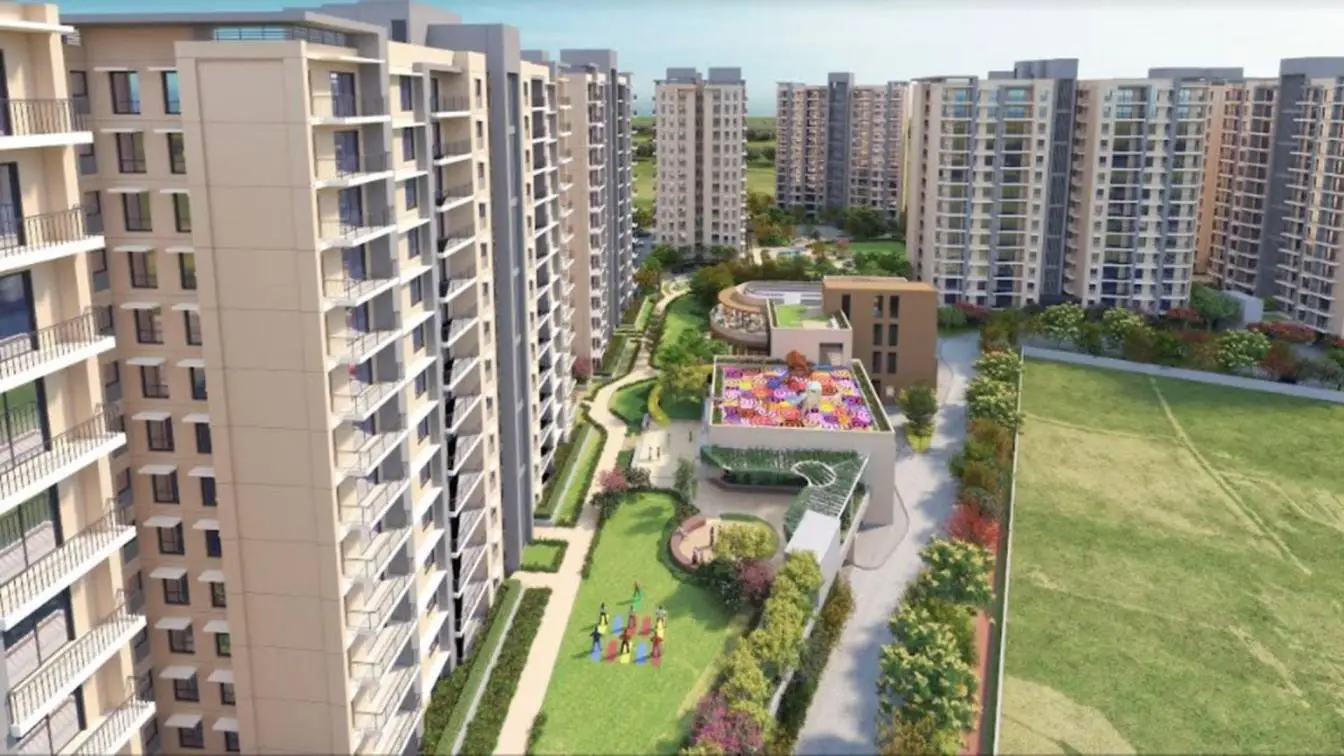
- Nature blended inBuildings with green roofs, walls covered in plants, or homes that wrap around big trees instead of bulldozing them.
- Pop-up neighborhoodsTemporary housing made from modular units for festivals or emergencies.
- Crowdsourced designCommunities voting on paint colors, street art, or how shared spaces get used.
Take that old warehouse on Main Street. With the right vision, it could become art studios, a café, and apartmentswith exposed brick and big windows. Suddenly, its the heart of a neighborhood.
How Do You Start Your Own Creative Real Estate Project?
Here's the good news: You dont need to build a skyscraper shaped like a pineapple to get creative. Start small and solve a real problem.
- Look for odd lots. Weird-shaped or forgotten land is often cheapestand nobody cares if you try something new.
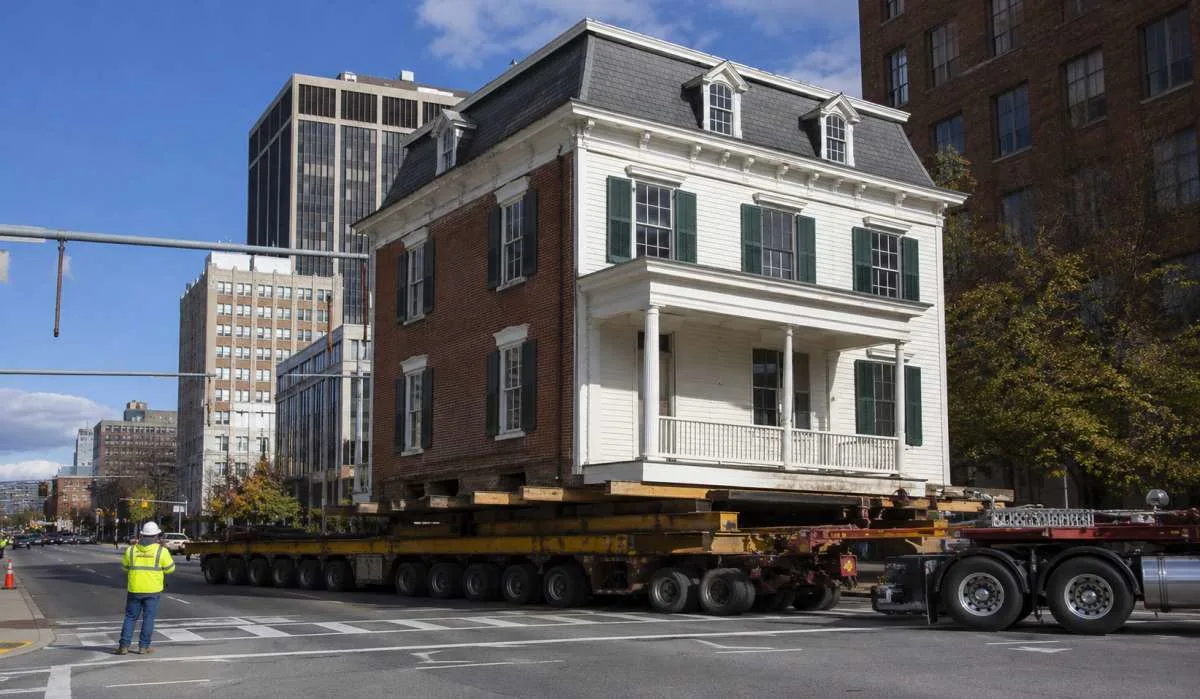
- Work with whats there. Old houses, shipping containers, busesthink reuse before you knock down and rebuild.
- Focus on function. Ask whats missing in your area: Affordable apartments? Cozy coffee shop homes? Dog parks on the roof?
- Work with designers who get it. Not everyone likes coloring outside the lines. Find an architect or builder excited to brainstorm wild ideas.
The first time I pitched a rooftop garden in a city building, everyone thought I was nutsuntil the tenants started sharing veggies and having movie nights up there. Small experiments can snowball into bigger ones when people see they work.
What Can Go Wrong (and How to Dodge It)?
Let's be real: creative = risk. Some stuff can trip you up, but most can be handled with some planning and honesty.
- City rules: Zoning laws dont always love funky stuff. Always askeven if its annoying.
- Over-customizing: If you go TOO weird, it might be hard to sell later. Balance cool with simple changes buyers can reverse.
- Money mistakes: Creative projects can surprise you with extra costsset a buffer in your budget, and dont fall for shiny-but-pricey features you dont need.
- Construction headaches: Custom parts take longer and may need pros willing to try new things. Find builders who aren't afraid of unique projects.
When my buddy tried to DIY his treehouse Airbnb, he skipped permits and got hit with a fine. Learn from that and do your homework early. Sometimes being creative means knowing the rules and how to work around them.
Can Creativity Work for Bigger Developments?
Big projects dont have to be bland. In fact, some of the coolest stuff is happening in suburban and city developments:
- Mixed-use hubs: Places where you live, work, and playall in one spot. Cafés downstairs, apartments up top.
- Cultural mashups: Art, events, or sports built into old malls or warehouse districts.
- Eco neighborhoods: Whole streets designed to collect rainwater or use solar for shared power.
Developers who try new things can set trends, raise property values, and build a real sense of place. One urban planner I know turned a rundown lot into a community skatepark and it quickly became the areas social centerall because he asked, what would people actually use?
How to Pitch Your Creative Project to Others
If you want investors, partners, or just your friends to buy in, you have to show the benefits. Use clear, real-life examples instead of jargon.
- Show the need: Heres why our town needs more studios, not just houses.
- Prove it works: Point out other cool projectseven ones in nearby townsto show its possible.
- Keep costs real: Yes, creative can be more expensive, but show how it pays off (higher rents, less vacancy, happier tenants).
- Have a clear plan: The wildest ideas need steps and budgets. Be honest about risks and rewards.
If you act excited and practical, people will start seeing what you see. Dont hide the bumpsown them, and solutions will show up.
FAQs about Creative Real Estate Projects
- What makes a real estate project "creative"?
A creative real estate project tries something most builders don't do. It could use new materials, turn unused space into something cool, or make homes fit peoples real lives better. Think of it like a house you want to show off to everyone because it feels different. - Are creative real estate projects more expensive?
Sometimes, but not always. Using recycled materials or building small can save cash. The cost goes up mostly if you change designs halfway or add high-end custom stuff. Set a budget and stick to basics if you want cool without crazy costs. - Can renters enjoy creative property design?
Absolutely. Plenty of apartment buildings add things like rooftop gardens or themed common rooms that make living there feel special. You dont have to own to enjoy a more fun or unique space. - What are the biggest risks in unique real estate projects?
Rules and money are the big two. Some cities wont allow super-creative changes, and the costs can surprise you. Its smart to check local rules before you start and plan for some extra spending, just in case. How can I get started with my first creative real estate idea? - Are there sustainable options for unique real estate projects?
Yes! Using recycled wood, solar panels, or rainwater collection are all smart ways to make your project kinder to the planet. These changes often save you money over time, too.
Start smallupdate a room, set up a tiny backyard studio, or redo a garage. Share your idea with friends and see what they think. If it works, youll learn fast, make mistakes when its cheaper, and build up to bigger, bolder projects.
Trying out creative real estate projects is about making something youre proud ofeven if it isnt perfect. Start with the space you have, make small changes, and see where it leads. Every bold building in your city started with an idea that seemed a little odd at first. That odd idea could be yours.