You know those buildings or corners you walk past that are just sitting there? It kind of stings if you own one. Paying taxes or maintenance on something thats not bringing in cash is nobodys idea of fun. But heres the thing: most of those forgotten spots, big or small, have the potential to become creative real estate projects. With the right approach, you can turn unused space into serious income without needing a trust fund or a construction crew on speed dial. Heres how you get startedand where people usually mess it up.
What counts as a creative real estate project?
A creative real estate project means youre taking a spacemaybe a warehouse, an empty backyard, or an old storefrontand using it in a way nobody expects. Its not just a standard rental or flipping job. It could be a pop-up market, tiny homes in a big yard, or turning a garage into a music studio. The trick is to see empty not as wasted, but as open to ideas.
- Short-term rentals (think event spaces, studios, Airbnbs)
- Community gardens or urban farms in vacant lots
- Micro-offices or shared workspaces in old retail spots
- Tiny home villages or modular units on unused land
- Seasonal shops or pop-up eateries
If it solves a problem for your area and people want it, you might be onto something.
Why bother with vacant property ideas?
Sure, leaving a place empty can feel like the safe moveno tenants, no headaches. But every month your space is empty, youre losing potential income. Creative real estate projects fill that gap. They also bring life to neighborhoods, give people what they need, and can boost your propertys value. Sometimes they even help solve real community problems, all while putting extra cash in your pocket.
How do you spot the right unused space development idea?
This is where a lot of people psych themselves out. They think they have to come up with the next big thing. In reality, the best ideas are sometimes the simplest. Heres how to brainstorm:
- Walk around the property and the area. Whats missing? Coffee shops, art studios, spots for pop-ups?
- Ask neighbors or local business owners what would make their lives better.
- Check out social feeds or neighborhood groupsyoull see what people complain about or wish for.
The key is to match your space with something your town could actually use, not just whats trendy somewhere else.
What are the steps to a profitable real estate transformation?
Moving from this place is empty to people are lined up out front takes more than just a paint job. Heres the quick path:
- Get honest about your propertys strengths and limits. (Parking? Noise? Zoning?)
- Pick one idea to test, not five at once
- Find out what permits you needdont skip this or youll regret it
- Start small. Do a trial run for a month or a season. If it works, then expand.
- Ask for feedback from real people, not just your friends or family
Pro tip: The first version doesnt have to be fancyjust functional. You can make it pretty later when moneys coming in.
Adaptive reuse real estate: what is it and why is everyone talking about it?
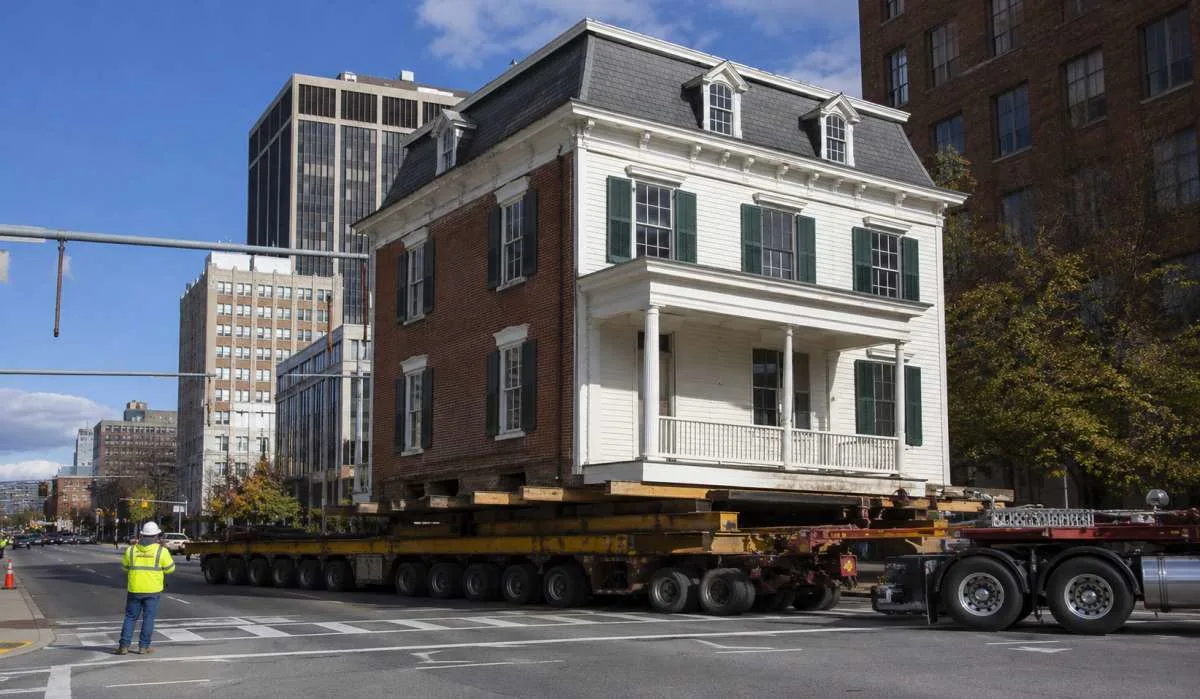
Hear people say adaptive reuse and wonder whats the big deal? Its simple: its taking a building made for one thing (like an old church or warehouse) and using it for something totally new (apartments, craft breweries, climbing gyms). Why is everyone buzzing about it? Because cities are full of buildings with good bones but bad business. Fixing them up is usually cheaper and greener than starting from scratch, plus people love places with a story.
- A bowling alley turned into a co-working space
- A water tower turned into a rental home
- Factory lofts becoming cool apartments
You dont have to think hugeeven a single garage can become the neighborhoods favorite workshop.
Boosting your income from empty spaces: what's realistic?
Lets be honestnot every empty corner will make you rich overnight. Some will barely cover costs. Thats okay! The goal is to make your asset work harder than it does now. Even an extra $300 a month can pay for maintenance or cut your mortgage. With time and the right fit for your market, some projects will out-earn your day job. It just takes patience and a willingness to test and tweak.
Common mistakes in creative real estate projects
- Getting hung up on perfectiondone is better than perfect
- Ignoring permits or neighborhood rules (itll cost you more later)
- Spending too much up front without testing demand
- Trying to do everything yourselfsometimes hiring help is faster and cheaper overall
- Copying success stories from places that arent like yours
Every mistake is a lesson (usually an annoying one). If you keep it flexible and learn as you go, youll avoid the worst headaches.
How you know your creative real estate project is working
- Your income is going up, obviously
- Neighbors start talking about your projectin a good way
- People keep booking, visiting, or using the space without you pushing it
- Your space feels alive, not like a ghost town
If youre feeling nervous, thats normal. The first leap always feels risky, but your empty space already isnt paying you. Start small, listen to feedback, and be ready to adjust.
Whats next?
Start with one idea. Make it work for a month or two. Track everythingmoney spent, time, what works, what doesnt. Maybe youll love it and want to expand. Maybe youll swap to another idea from the list. The main thing? Dont let that space sit empty while you wonder what could have been. Give it a shot. Future you (with more income and less stress) will thank you.
FAQs
- What is the easiest creative real estate project to start with?
Short-term rentals, like event spaces or temporary studios, are usually easiest because the setup is simple. You dont need to remodel muchjust clean up, add some furniture, and share your spot online. Get a feel for managing the space before trying bigger projects. - How much money can I make from unused space development?
The income depends on your location, space type, and idea. Some people make a few hundred dollars per month renting out a parking spot, others make thousands from pop-up shops or tiny home rentals. Start with what you have, and see what works for your market. - Is adaptive reuse real estate more expensive than new builds?
It can cost less because youre reusing whats there, but surprises (like repairs or permits) can add up. Its often cheaper for the basics, but plan for unexpected work. Either way, youre usually done faster than starting new, and people like the charm of old buildings done right. - What are common legal or permit issues for profitable real estate transformation?
Youll often need permits for changes to a building, or different uses (like residential vs commercial). Zoning rules matter too. Always check with local offices before you start anything. Skipping this step is one of the fastest ways to lose money and sleep. - Can I run creative real estate projects part-time?
Absolutely. Plenty of owners manage short-term rentals or community spaces in their off hours. Start small and grow as you get the hang of it. Just make sure you have a way to handle emergencies or bookings if youre busy at your day job. - What if my idea flops?
Thats normal. Not every idea works out, but thats part of the game. If something isnt working after your trial run, switch to another plan from your list of vacant property ideas. Every try is a step closer to finding what clicksand even if you fail, your space is still there, ready for the next shot.