Your rent keeps creeping up. Your business is strong, but it feels like every year, you're paying more for the same four walls. At some point, you start to wonder: What if all that money was building something for you instead? That's where owner occupied commercial real estate comes in. It's not just about swapping rent for a mortgage; it's about changing how money works for your business, possibly forever. If you've heard mixed advice about buying your own workspace, this is for you. We'll walk through the real upsides, watch-outs, and what it actually takesnot just what looks good on paper.
What Does Owner Occupied Commercial Real Estate Actually Mean?
It's pretty simple: your business owns the building it uses. That could be a store, office, warehouse, or even a mix. Instead of paying a landlord, you pay the bank (or yourself, if you own it outright). The main keyword here is that your business is the primary user of the spacenot someone else renting it from you.
- Usually for businesses, not investments for renting out
- You control the property decisions
- Common with offices, retail shops, and small factories
If you're ready for stability and want to stop worrying about rent hikes, this is worth looking at.
Why Owning Beats Renting for Many Businesses
Ask anyone who's been at the same address for a decadethey'll tell you rent never goes down. Commercial property ownership changes that. Sure, you'll have a mortgage and expenses, but:
- Your payments won't spike unexpectedly year after year
- You can build equity over time, like a piggy bank for your business
- Renovations or signs? No more begging for permission
- You can customize the space to work for younot your landlord's next tenant
A business I worked withlet's call them The Cupcake Companybought their building after years of renting. Instead of shelling out for a remodel their landlord wouldn't approve, they turned half the store into a cupcake decorating party zone. That pivot doubled their revenue. Could they have done that as renters? Not a chance.
How Do You Finance an Owner Occupied Building?
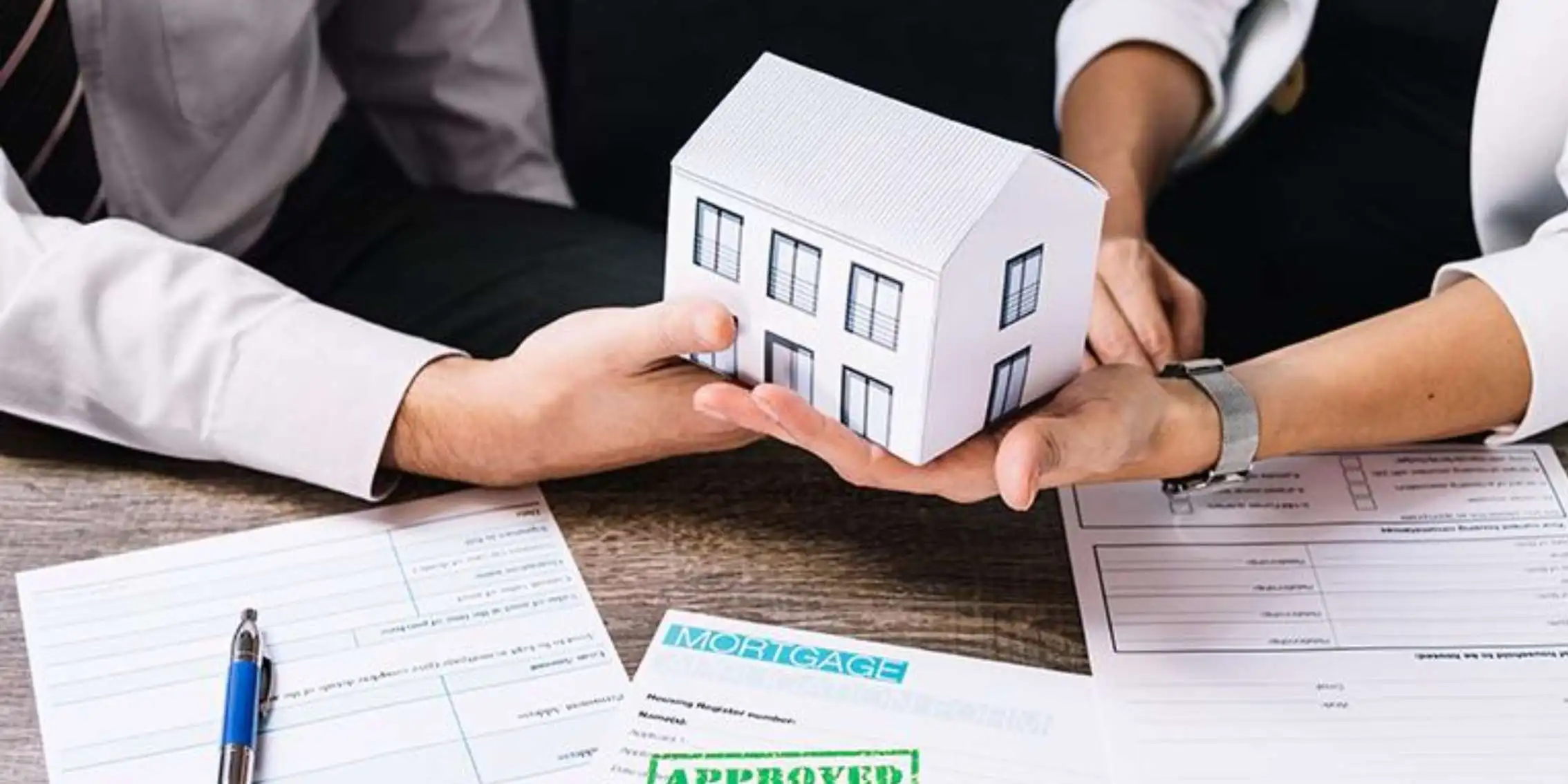
This is where people get stuck. Buying property looks scary if you've only ever rented. But business real estate financing isn't that different from getting a home loan.
- Banks offer commercial mortgagesthink 10 to 25 years, fixed or variable rates
- The down payment is usually 10-25%, but sometimes programs help you put down less
- If your business has good records and profitability, lenders are more likely to say yes
- Some government-backed programs (like SBA loans) can make it easier
Plan on needing solid tax returns, a business plan, and proof you can handle the payments. And yes, banks want to see you putting in some of your own moneyskin in the game matters to them. If your business has steady profits, this is doable. If cash flow is all over the place, it might be smarter to wait.
What Are the Risks and Hidden Costs?
No sugarcoating: owning a building isn't always perfect. You trade rent checks for other risks and costs.
- Repairs are your problem, not the landlord's
- If your business changes fast, selling or moving can be tricky
- Property taxes, insurance, and maintenance can add up
- If the area goes downhill, your property value might drop
A business owner I know loved owninguntil the air conditioner died. A $15,000 repair ate up that month's profits. If you go this route, plan a reserve fund for surprises. You don't want to chase broken pipes with your vacation money.
How Does Owning a Property Impact Taxes?
This is where commercial property ownership often shines. The benefits go beyond not paying rent.
- You can deduct mortgage interest and property taxes
- Depreciation lets you write off part of the building's value each year
- If you set things up right, you might protect your other assets from business risks
Tax stuff gets complicated, so always check with a pro. Still, for many businesses, owning cuts tax bills in ways renting never could.
When Does Buying Make the Most Sense?
There's no magic answer. But buying usually works best if:
- Your business is steady and not moving soon
- You can cover the down payment without draining your cash
- Your monthly mortgage, taxes, and insurance aren't more than you'd spend renting
- You want to control your destiny (and ceiling tiles)
If you're expanding fast, or not sure you'll stay put, renting might fit better for now.
What's the Catch with Owner Occupied Commercial Real Estate?
It sounds dreamier than it is. There's more paperwork. Less flexibility. More responsibility. Loans can feel giant. Some folks lose money if they overpay or the neighborhood tanks.
- Don't fall for a property just because you can afford itlook for value
- Run the numbers: will owning really save you money or build wealth long-term?
- Ask: What if I need to sell in five years?
The best advice? Work with a teambanker, accountant, real estate agent. Don't wing it solo your first time out.
Tips for a Smooth Transition from Renting to Owning
- Start researching properties well before your lease ends
- Get your financial documents organized ahead of time
- Build relationships with lenders and brokers early
- Budget for moving, repairs, and a few months of hiccups
- Don't empty every account for the down paymentkeep cash for surprise expenses
The first few months after closing will be busy and stressful. Give yourself grace. It's a big move, but many business owners say they sleep better once they're in control.
Frequently Asked Questions
- Q: What's the difference between owner occupied and investment commercial real estate?
A: Owner occupied means your business uses most (at least 51%) of the space. Investment property means you rent it out to other companies instead. With owner occupied, your company is both the tenant and the owner, so you're paying yourself instead of someone else. - Q: How much down payment do I need for a commercial mortgage?
A: Most banks ask for 10-25% down on owner occupied buildings. Some government-backed programs can drop that to as low as 5%. It depends on your credit, business finances, and the property. The more you can put down, the better your loan options usually are. - Q: Can my business rent out extra space in an owner occupied building?
A: Yes, often you can. As long as your business uses more than half the place, you can rent the rest to others. This can help cover your mortgage or even create extra profit. Always check local rules and your loan agreement first. - Q: Is buying commercial property a good investment for businesses?
A: For many, yes. You aren't just getting a place to workyou're building equity and getting tax benefits. If your property's value goes up, that's more profit if you sell later. Keep in mind, it's not risk-free and values can go down too. - Q: What are the biggest hidden costs when owning commercial real estate?
A: Repairs, maintenance, property taxes, and insurance can add up fast. Stuff breaks, and it's all on you. It's smart to stash some cash away each month, so you're ready for the surprise bills when they come.
Owning your workspace isn't a fit for everyone. But when it works, it puts you in the driver's seatno more waiting for a landlord's approval. Run the numbers for your specific situation. Owning might not solve every business headache. But if you're ready, it could turn those monthly payments into something that keeps paying you back, year after year.