Finding your first commercial property sounds excitinguntil your head spins from jargon, zoning codes, and negotiation games. People think its like picking a house with a bigger down payment. Not quite. There are different risks, more numbers to check, and big rewards if you play your cards right. This guide is here to steer you through the mess and give you the confidence to buy commercial property like youve done it before. Youll get the straight talk, real examples, and tips you can usewithout the real estate sales pitch.
What Makes Commercial Property Different From Buying a House?
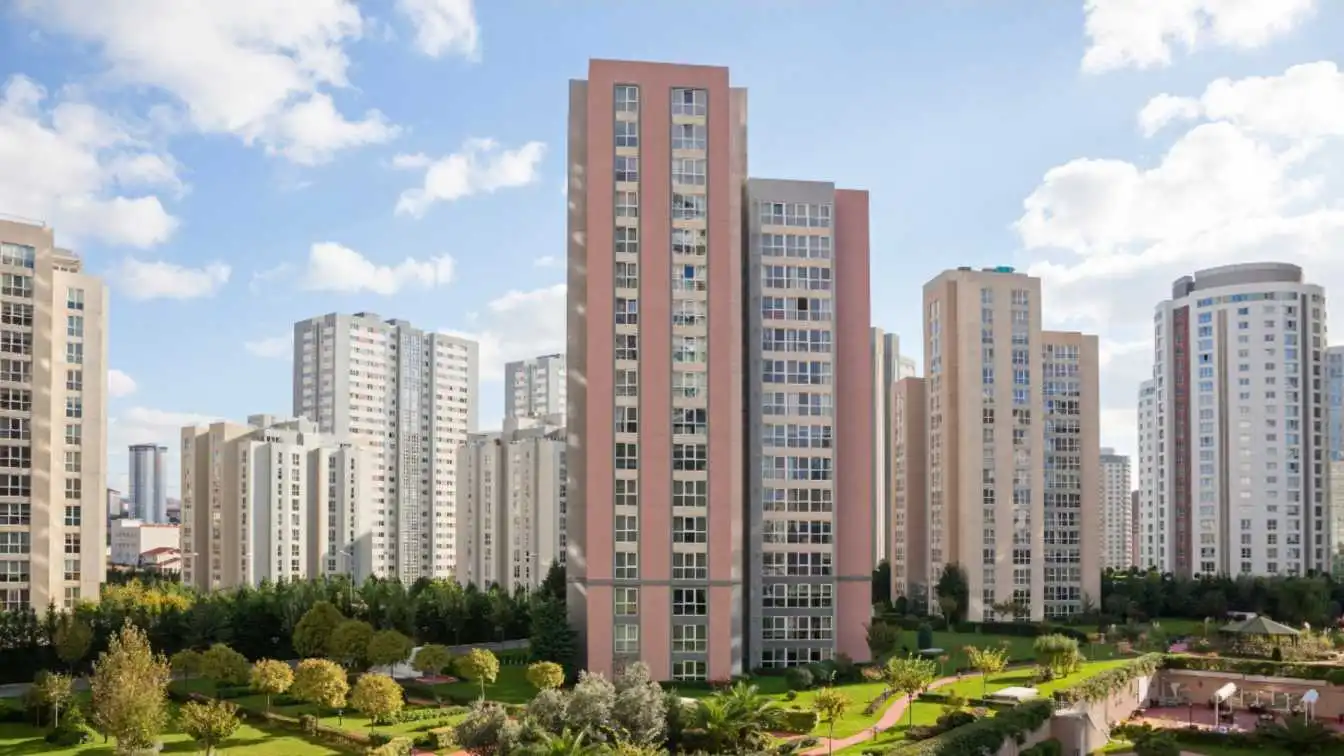
When you hear commercial property, think shops, offices, warehouses, or even that cute corner cafe. Unlike residential real estate, these places help people run businesses, not just live. The rules, risks, and rewards arent the same.
- More paperwork: Youll face extra contracts, inspections, and legal stuff.
- Longer timelines: Its slow. Seriouslyeverything takes more time.
- Stricter loans: Lenders want to see the business plan and profits too, not just your credit score.
- Bigger price tags: Even small shops often cost more than a home.
You make money through rent, appreciation, or bothif you read the fine print. Dont treat commercial and residential real estate the same. Thats the first step to not blowing your savings.
How Do You Figure Out If a Property is Worth It?
Shopping for commercial real estate is part gut, part math. Heres how you know youre not being sold a lemon.
- Check the cash flow: The building should pay you. If you cant rent it fast or for enough money, keep walking.
- Understand the numbers: The cap rate, net operating income, and occupancy all matter. Learn what these mean. (If you dont, an agent will use them to bamboozle you.)
- Look at the neighborhood: Are local businesses growing or dying? A great building on a sad street wont make you rich.
- Know the tenants: Long leases are gold. No tenants means youre gambling.
I once ignored the vacancy numbers because the parking lot looked packed. Lesson learned: nice cars in the lot dont pay your mortgage. Check every number yourself.
What Steps Should You Take When Buying Commercial Property?
Buckle upthis isnt a weekend errand. Commercial property buying takes real steps, in a real order.
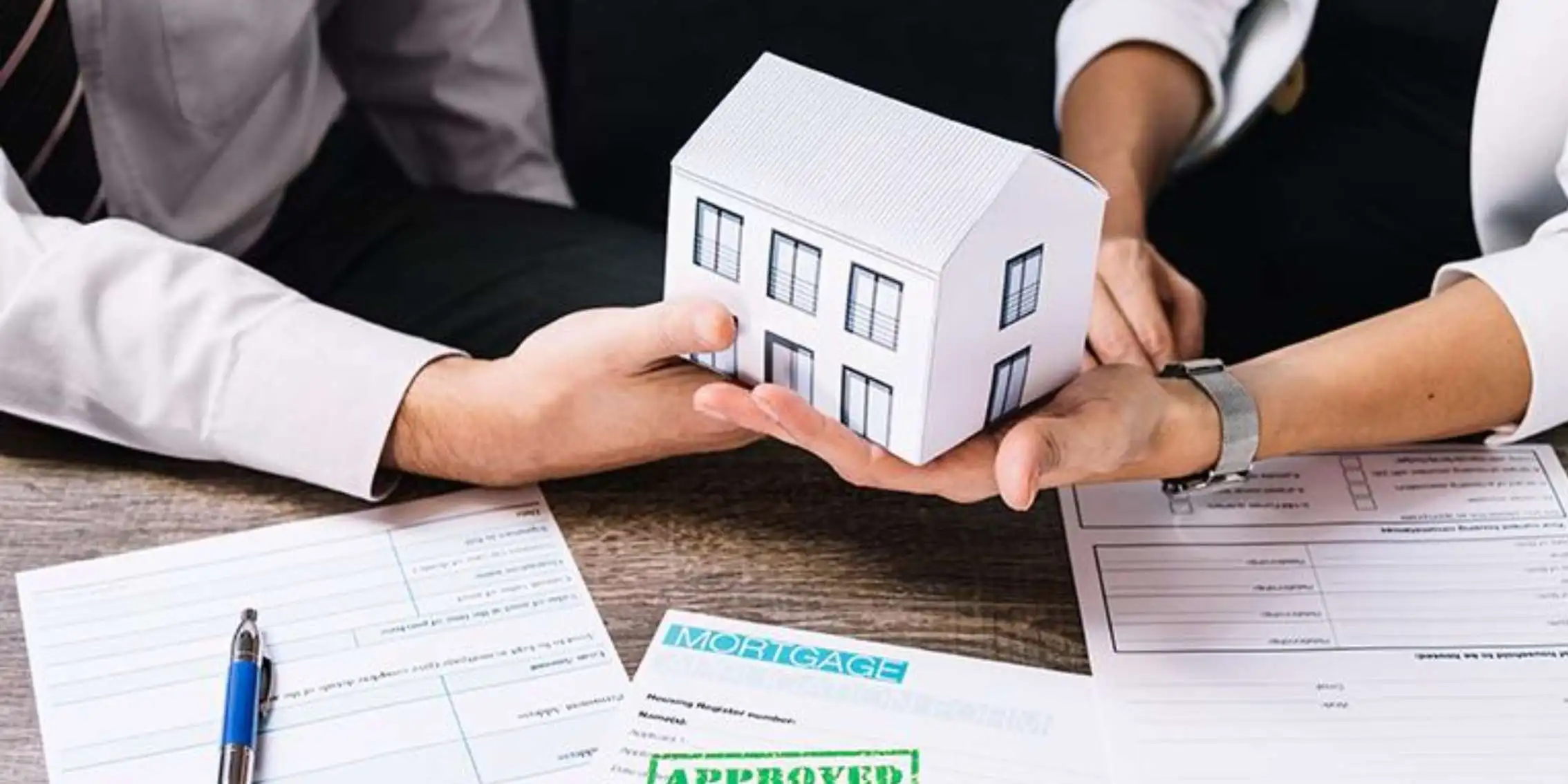
- Get pre-approved: Talk to banks early. Youll find out how much you can borrow and what youll need for a down payment.
- Pick your team: You want a lawyer, a commercial agent, and maybe a property inspector who have done this before.
- Start your search: Use listings, drive around, and ask fellow business owners for tips.
- Analyze the deal: Don't trust the numbers sellers hand you. Do your own math.
- Make an offer: This is where you lean on your team. The paperwork alone can fry your brain.
- Due diligence: Inspections, environmental reviews, title searchesall the boring stuff that can save you a fortune.
- Close the deal: Sign (a lot), pay (a lot), and get the keys.
Each step can last days or months. Rushing invites expensive mistakes.
Which Mistakes Trip Up First-Time Commercial Real Estate Buyers?
People make the same rookie errors with commercial property buying over and over. You dont have to.
- Ignoring small print: Lease details, zoning rules, and old repair bills hide nasty surprises.
- Overestimating rent: Agents may promise you can charge sky-high rent. But if others cant, why will you?
- Skipping inspections: That leaking roof or faulty A/C unit? Youll regret skipping a proper check.
- Falling for emotional sales pitches: Stick to math; pretty paint and nice furniture don't pay bills.
- Not budgeting extras: Insurance, taxes, repairsthese sneak up if you didnt plan for them.
I once saw a new owner buy a place because the lobby looked fancy. Turns out the plumbing needed a total overhaul. $30,000 lessonand they couldnt rent it during repairs.
How Much Money Do You Really Need to Get Started?
The scary truth: you usually need more than you think. Most commercial loans require 20% to 30% down. Thats $100,000 to $300,000 for a $1 million buildingnot including inspection, legal fees, and upgrades.
- Down payment: Minimum 20% of the purchase price
- Loan costs: Upfront fees, sometimes 1-3% of the loan
- Cash reserve: Banks want to see emergency money in your account
- Other fees: Appraisals, inspections, permits
Short on cash? Check with local banks about small business loans, or look into crowdfunding small commercial deals. But dont stretch so far youre stressed. A smaller, boring property might make you more in the long run.
What Should Your First Commercial Property Be?
Should you go big or play it safe? Most beginners start with something simple:
- Small retail units: Its one shop, not a whole mall.
- Offices for small businesses: One floor, one tenant, easy math.
- Light industrial or small warehouses: Usually steady, fewer maintenance headaches.
Some jump into buying apartment buildings, but more tenants can mean more drama. Consider what scares you less: fixing one roof or chasing ten renters for late checks?
Is It Better to Buy Alone or With Partners?
Buying solo means all the riskand all the rewardis yours. With partners, you split the loan, the work, and (yes) the profits. It can help you afford bigger properties or take the pressure off. But get every detail in writing. Friends turn into enemies fast when money is on the line. Choose carefully and use a lawyer to make a clear agreement before day one.
FAQ: Your Burning Commercial Real Estate Questions, Answered
- Q: How do I start buying commercial property with no experience?
A: Learn as much as you can before jumping in. Read guides, talk to people who own property, and start small. Many start with a simple property instead of a huge complex. Youll build know-how as you goand avoid giant mistakes. - Q: What are the biggest risks with commercial property investment?
A: Losing money by picking the wrong location or having empty space for months. Repairs and unexpected costs can eat up profits. Know the risks, and have a cash backup plan if things get rough. - Q: How can I tell if a commercial real estate deal is fair?
A: Compare prices and rent in your neighborhood. If the building seems cheaper or more expensive than others for no good reason, ask why. Double-check math, and never be afraid to walk away if its not right. - Q: Should I use an agent when buying commercial property?
A: Using a good agent helps a lot, especially if youre new. They know hidden deals and keep you from missing important steps. But make sure they work for you, not just the seller. - Q: How do I finance a commercial real estate purchase?
A: Most people use bank loans, often needing a bigger down payment than for homes. Some use investors or business loans. Always ask about interest rates, fees, and repayment terms before signing up. - Q: How long does it take to buy commercial property?
A: It usually takes two to six months. Theres lots of paperwork, more checks, and surprises are common. Be patientrushing can lead to mistakes that cost way more than waiting another week.
Remember,commercial property buying isnt rocket science, but its not set-and-forget either. Start with the basics, keep your eyes open, and dont rush. The hard work you put in now makes the profitand the learningway sweeter down the road. Ready to get started? Write out your budget, make a list of must-haves, and talk to people who have done this before. Each step will make the next one less scaryand put you closer to owning a property that works for you, not the other way around.