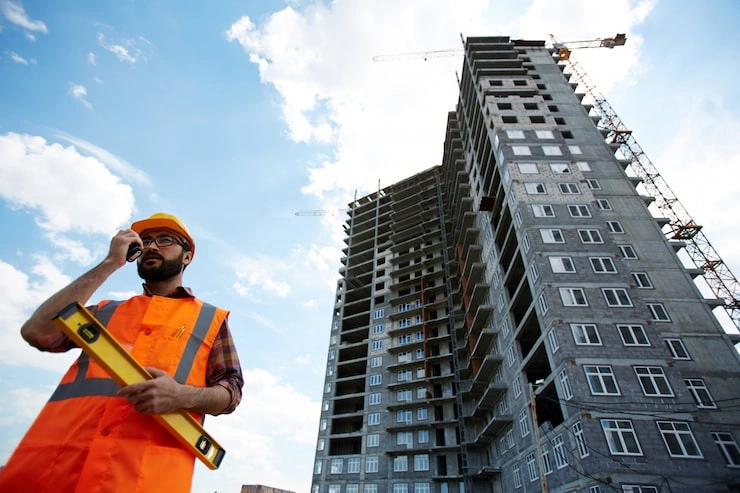
Lets be honest: real estate can feel like some secret club with rules scribbled in invisible ink. If youve heard whispers about big investors (think: pensions, insurance giants) buying up office towers and apartment buildings, youre not alone. Thats institutional real estate investment. It shapes skylines, sets rents, and quietly pushes billions of dollars around. But how do these big players find the best deals and sidestep rookie mistakes? Lets pull back the curtain.
What Does "Institutional Real Estate Investment" Even Mean?
Dont overthink it. This just means investment done by big organizations, not solo landlords. We're talking about groups that buy shopping centers, huge apartment complexes, or even entire neighborhoods. They invest for pensions, retirement funds, and for people who want steady returns.
- They pool money from thousands (sometimes millions) of people.
- They buy, manage, and sell real estateusually commercial, not single houses.
- They're focused on long-term value, not quick flips.
Why does this matter? When these real estate institutional investors make a move, its like an elephant stepping in a kiddie poolthe ripples affect everyone.
Why Are Institutions Obsessed With Real Estate?
Simple: they want predictable income and growth. Traditional investments like stocks bounce up and down. Real estateif managed rightkeeps sending in rent checks even if the stock market throws a tantrum.
- Its physicalbuildings arent going to vanish overnight.
- Rents can rise over time (think: inflation protection).
- Its a way to spread riskif stocks drop, real estate might hold steady.
But its not totally safe. Bad tenants, empty offices, or a crashing economy can hurt returns. The trick is knowing what to buy and when to walk away.
How Do They Spot Hidden Opportunities?
This is the secret sauce. While you and I might check Zillow, institutions use data piles as tall as a skyscraper. But heres the playbook in plain English:
- Looking beyond whats obvious: Everyone wants flashy city-center offices. The sharper investors hunt for soon-to-boom neighborhoods or forgotten buildings with good bones.
- Following trends, not hype: Chasing the next big thing rarely pays off. They track emerging commercial property investment trends, like warehouses near highways (thanks, online shopping) or medical offices (people always get sick).
- Asking real questions: Why is this on the market? or Is the neighborhood improving or declining? They trust facts, not gut feelings.
One fund manager told me, 'Our best deal was an old mall everyone ignored. We turned it into mixed-use spacea goldmine.' The magic isnt a crystal ball. Its clear goals and lots of digging.
Common Mistakes Even Big Players Make
Institutions might have deep pockets, but they make rookie errors too. Here are a few:
- Getting greedy in hot markets and buying too high
- Skipping due diligence (because, well, "we've done this before")
- Ignoring local problemssometimes small, weird zoning laws tank whole projects
- Not planning for changeslike remote work leaving office towers half empty
If you recognize these blunders, youre a step ahead. Even top-tier teams nap on the basics sometimes.
What Strategies Set Successful Investors Apart?
This is where things get interesting. The best real estate investment strategies arent magic. Theyre about patience and planning.
- Diversification: Not putting all the money in offices or retail. Apartments, warehouses, hotelsmix it up.
- Active management: Good investors dont buy and forget. They renovate, rebrand, and improve spaces, so tenants want to stay (and pay more).
- Piggybacking on trends: Like building apartments near new tech hubs or adding co-working spaces when remote work surges.
One real estate institutional investor told me, We spend as much time fixing mistakes as we do hunting for new deals. Success isnt about a lucky breakits about fixing things before they snowball.
How Can Regular People Learn From Institutional Investors?
You dont need billions to copy what works. Heres what you can steal from their playbook:
- Do crazy amounts of homework before making a decision
- Bet long-termthink about where an area is heading, not where it is right now
- Ask uncomfortable questions. If something feels too smooth, it probably is
- Remember, small mistakes multiply. Slow down, double-check paperwork, crunch the numbers twice
Think like a pro, even if youre buying a duplex. Its all about the approach, not the budget.
Whats Changing in Institutional Investment?
The COVID-19 whiplash showed that nothingno matter how hugeis untouchable. Institutional investment trends are shifting fast. Heres whats new:
- Warehouses are hot. Thanks to same-day delivery, storage space is worth more than glitzy malls.
- Offices, not so much. With work-from-home sticking, old office buildings are struggling unless they get a makeover.
- Affordable housing is finally getting noticed. Everybody needs a place to live, so stable returns are pulling in big funds.
- Green buildings arent just trendyinvestors have to meet stricter rules on energy and sustainability now.
These trends touch everyone, even if youre not investing millions. If you care where your city is heading, watch where the big money goes next.
FAQ: Institutional Real Estate Investment
- What is an institutional real estate investor?
An institutional real estate investor is a big organizationlike a pension fund or insurance companythat buys property as a way to make steady income. These groups usually own big buildings like offices or apartment complexes, not single homes. - How do institutions pick which property to buy?
They look at loads of datalike rents, repairs needed, local growthand focus on steady returns. They avoid risky buys and want locations that look good for years to come. - Why are commercial properties so popular with institutions?
Commercial spaces (offices, warehouses, malls) often bring in more money than homes, and their leases last longer. That means more predictable income over time. - Can regular people invest like institutions?
You probably can't buy a skyscraper, but you can use their strategies. Do your homework, plan for the long term, and spread your risk by not putting all your money in one property type. - Whats the biggest risk for institutional investors?
Market changeslike empty offices from remote work or sudden neighborhood declinescan cause problems. Even big investors lose money if they ignore trends or buy the wrong building. - Are there new trends in institutional real estate investment?
Yes. More money is shifting into warehouses for e-commerce, housing that stays affordable, and buildings that are good for the planet. Staying alert to these trends can help anyone spot better opportunities.
Bottom line: you don't have to be a pension fund to make smart moves in real estate. Keep learning, watch the trends, and treat every dollar like it's precious. That's how institutional real estate investment winsone good decision at a time.