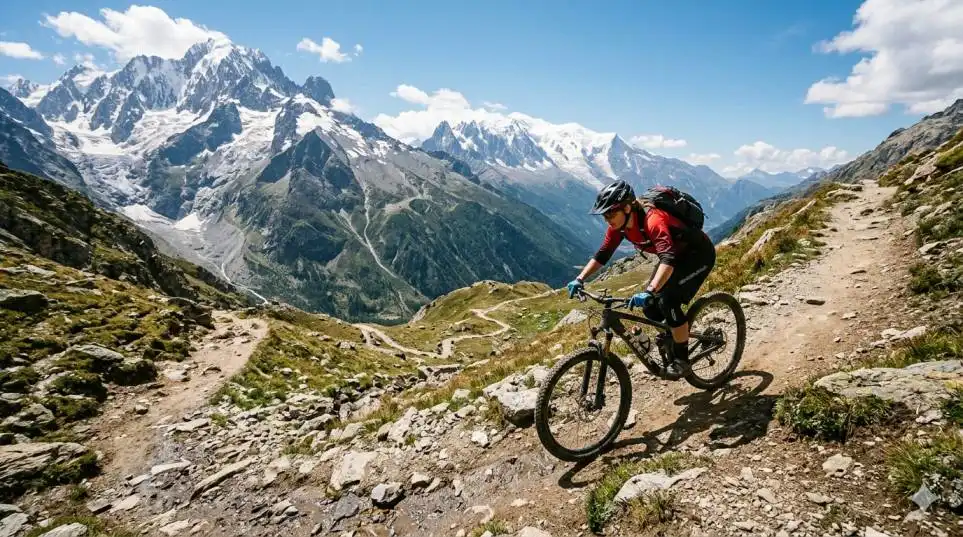
Summer Himalayan mountain biking challenges change every year. New routes pop up. Old classics disappear. Some expensive tours turn into rip-offs. I learned this after seven summers on these roads. Four crashes. Two near misses. One week in a Leh hospital.
Let me save you the trouble.
The 2026 season runs May 15 to September 15. July and August bring monsoon. Do not ride then. Mudslides close roads. Rivers swell and wash away bridges. I ignored this warning once. Spent three days stuck in Sarchu. The only food left was raw noodles and stale biscuits.
Here are the real challenges worth your time. No fluff. No marketing. Just what works.
The Manali to Leh Run – Still the King
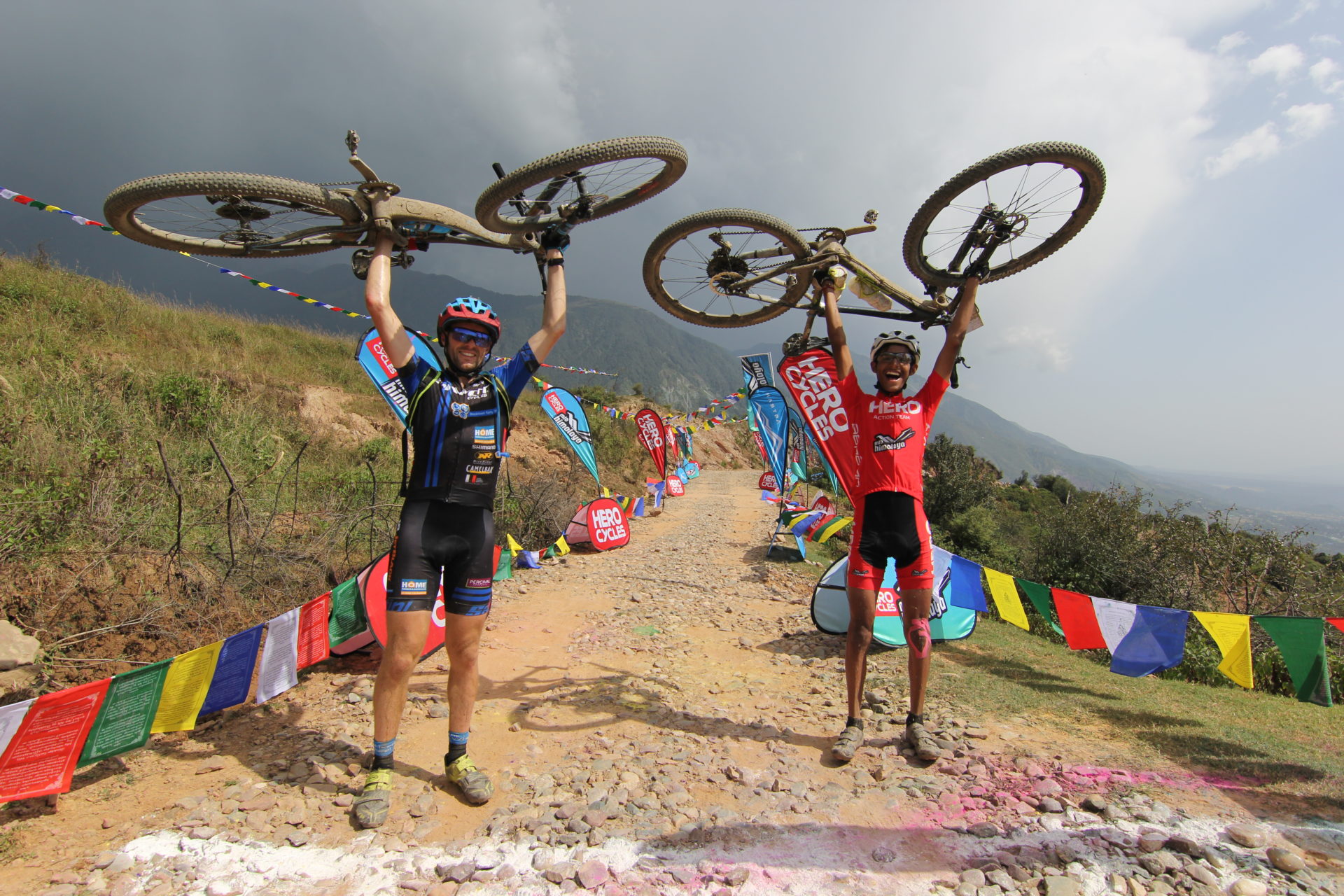
This route stays on top for a reason. The highway opens by mid-June most years. In 2026, expect June 15 opening if snow melts early. June 25 if winter hangs on.
Read Also: Why Christmas in Kerala Feels Different
The distance – 480 kilometers from Manali to Leh. But nobody does it straight. You need at least 4 riding days. Add 2 rest days for altitude.
The passes you cross
-
Rohtang Pass (3,978 m) – or the new tunnel which bypasses the worst part
-
Baralacha La (4,890 m) – this one hurts. Your head pounds here.
-
Nakee La (4,739 m)
-
Lachulung La (5,059 m)
-
Tanglang La (5,328 m) – the highest on this route
What changed for 2026 – BRO finished more asphalt near Sarchu. Last year that stretch was pure gravel. Now half of it is paved. The riding got easier in one way. But more tourists came. Trucks carry hotel supplies now. The road feels busier.
Honest experience from 2025 – I rode this in June 2025. Reached Baralacha La at 2 PM. The wind was insane. My bike leaned at 15 degrees just standing still.
A truck passed too close. I swerved. The front wheel slid on loose gravel. Held it. Barely. Do not ride late afternoon on high passes. The wind picks up after midday.
Who should ride this
-
Intermediate riders with 5000+ km experience
-
People who have seen 4000 meters before
-
Riders who like a challenge but not extreme danger
Who should skip
-
First-time mountain riders
-
Anyone scared of narrow roads without guardrails
-
People who panic when a truck comes around a blind corner
The Srinagar to Leh Highway – The Quiet One
Everyone does Manali to Leh. Few do Srinagar to Leh. That makes this road better. Less traffic. More space. Fewer idiots on rented bikes who do not know how to brake.
The distance – 434 kilometers from Srinagar to Leh. But you want to do it in 5 days. Stop at Sonamarg, Zoji La, Kargil, Lamayuru.
The hard part – Zoji La pass. Before the tunnel finishes (2026 tunnel is still under construction), you cross the old road. Narrow. Steep. No barriers. Trucks come from both directions. Someone has to reverse. Usually you.
The good part – You ride through Kargil. The war memorial hits different on a motorcycle. You stand there in your riding gear. Tired. Cold. Then you see the names of soldiers who died at the same altitude you just crossed. Hard to describe that feeling.
A 2025 observation – I stopped at the memorial around 4 PM. An old man sat there. He lost his son in 1999. He comes every year. We did not speak much. He just looked at my bike and nodded. Some things do not need words.
Who should take this route
-
Riders who hate crowds
-
People who want to see Kargil
-
Those starting from Kashmir valley
Who should avoid
-
Riders on a tight schedule (roads close for landslides often)
-
First-timers afraid of heights (Zoji La feels exposed)
The Umling La Loop – The Highest You Can Go
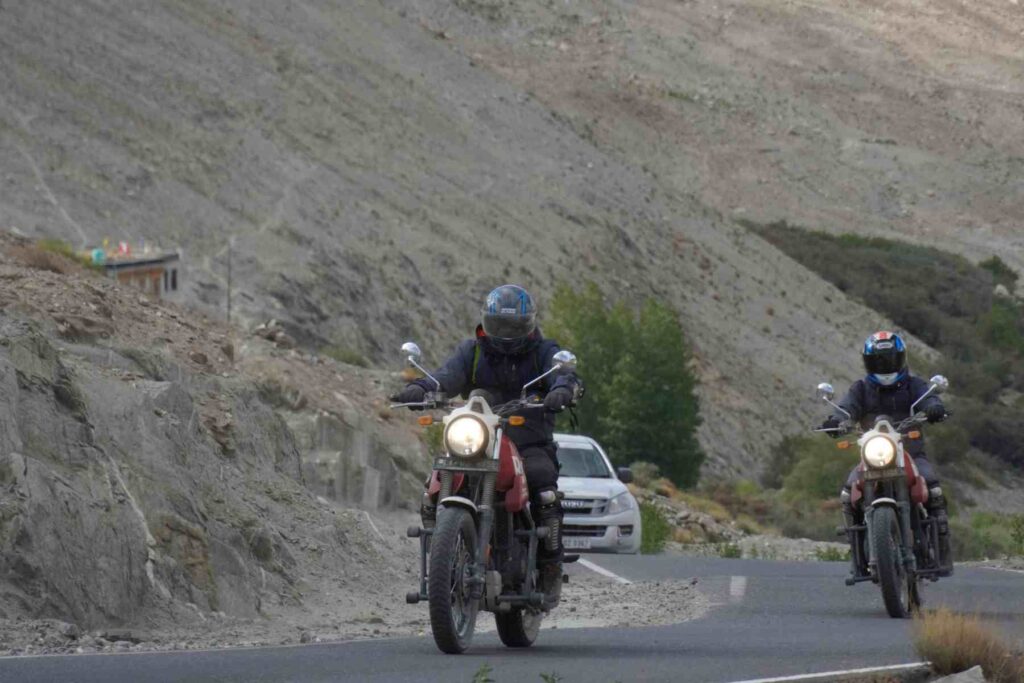
Umling La sits at 5,798 meters. That is not a typo. Almost 19,000 feet. Higher than Everest base camp. Higher than any road in South America.
Where it is – About 150 km from Leh. Past Chumatang. Past Mahe. Towards the Chinese border. You need a special permit for this one.
You Must Also Like: Tropical Christmas in GOA: Your Ultimate Sun & Sand Guide
The 2026 reality – Royal Enfield took their Himalayan Odyssey group here in April 2026. The 19th edition finished this route . That means more people know about Umling La now. The road is better than before. But the altitude stays brutal.
What happens to your body at 5,800 meters
-
You cannot sleep properly the night before
-
Your breathing feels like you ran a sprint while sitting still
-
The bike loses power. Fuel injection systems struggle. Carbs are worse.
-
Headaches come within 30 minutes of arrival
My mistake here – I tried Umling La in 2024. Did not acclimatize enough. Two days before, I was at 3,500 meters. Too fast. Too high. By the time I reached the top, I could not stand steady.
My riding partner had to take photos for me. I sat on a rock for 20 minutes just breathing. Do not rush this one.
Who should attempt
-
Experienced high-altitude riders
-
People with AT LEAST 4 days in Leh before attempting
-
Riders who know AMS symptoms by heart
Who should absolutely NOT attempt
-
Beginners. Just no.
-
Anyone with asthma or heart conditions
-
Solo riders (if you collapse, someone needs to get you down fast)
The Khardung La Reality Check
Most lists call Khardung La the highest motorable road. That is not true anymore. Umling La took that title. But Khardung La still sits at 5,359 meters. High enough to hurt.
The 2026 road condition – Paved all the way to the top now. No more gravel sections. The Indian Army maintains it well.
The problem – Too many tourists. By 9 AM, the top is crowded. People taking selfies. Rental bikes parked everywhere. Someone playing music from a phone speaker. The serenity is gone.
Better alternative – Go early. Leave Leh at 5 AM. Reach the top by 7 AM. You get empty roads. Clean views. Silence except for wind. Then leave by 8 AM before the crowd bus arrives from Leh.
A local told me this – Last summer, an old monk sat at the Khardung La prayer flags at 6:30 AM. Just meditating. By 7:15 AM, fifteen tourists surrounded him taking photos without asking. He left quietly. Do not be those tourists.
Gear That Actually Saved My Life
Not exaggerating here. The right gear matters. Wrong gear kills.
The helmet story – I crashed near Keylong in 2023. Front wheel washed out on black ice. Went down at 40 km/h. Head hit a rock. The LS2 helmet cracked on the outside. My skull stayed intact. That helmet cost me 8,500. My brain is worth more.
Buy these things properly
Helmet – Full face only. ECE or DOT certified. Not ISI only. ISI is for scooters at 30 km/h. You need real protection. Budget 8,000 minimum.
Jacket with armor – CE Level 2 protection at shoulders and elbows. Back protector included. I use Rynox. Costs around 15,000. My friend wore a normal leather jacket without armor. He hit a pothole. His elbow bone chipped. Three months recovery.
Gloves – two pairs
-
Summer gloves for lower altitudes (ventilated, knuckle protection) – 3,000
-
Winter gloves for passes (waterproof, insulated) – 5,000
My expensive mistake – Bought cheap winter gloves for 1,200. At Tanglang La, my fingers went numb after 20 minutes. Could not feel the brake lever. Pulled over and cried from frustration.
Spent the night in a dhaba warming my hands. Next morning bought proper gloves from a Leh shop. Overpaid at 6,000. Still worth it.
Boots – Waterproof. Above the ankle. Stiff sole. I use REV'IT. Costs 15,000. A cheaper option is Royal Enfield riding boots at 8,000. Just do not wear sneakers or hiking shoes. Your ankle will snap on loose rocks.
The Altitude Sickness Truth Nobody Tells
Everyone talks about AMS. Few people tell you the real symptoms.
Early signs to watch
-
Headache that does not go away with water
-
Nausea or throwing up
-
Dizziness when you stand
-
Feeling drunk without drinking
The rule that saved me – If you have a headache at altitude, do not go higher. Wait one day. If headache remains, go DOWN.
What works
-
Diamox (Acetazolamide) – prescription only. Start 24 hours before climbing.
-
Drinking 5 to 6 liters of water daily
-
Eating food even when not hungry (carbs especially)
-
Sleeping at lower altitude than you rode that day
What does NOT work
-
Alcohol (makes dehydration worse)
-
Sleeping pills (they slow your breathing at night)
-
"Powering through" the headache (people die this way)
A Leh doctor told me – He sees 3 to 4 serious AMS cases every week during summer. Most are young men who thought they were tough. One died in 2024 because he refused to descend. Do not be that guy.
DIY vs Guided Tour – The Cost Breakdown
You asked for buying guidance. Here it is straight.
Guided tour – Royal Enfield Himalayan Odyssey style
-
Cost: Around 1,50,000 to 2,50,000 for 18 days
-
Includes: Bike, fuel, accommodation, food, support van, mechanic, guides
-
Excludes: Flights, personal gear, insurance
DIY – Your own bike or rental
-
Rental Royal Enfield 350/411: 30,000 to 45,000 for 15 days
-
Fuel: 10,000 to 15,000
-
Guesthouse accommodation: 500 to 1,500 per night (call it 15,000 for 15 days)
-
Food: 300 to 600 per day (9,000 total)
-
Permits: 1,000
-
Total DIY: 65,000 to 85,000
The gap – DIY saves you 1 lakh or more. But you get zero support. Your breakdown? You fix it or push it. Your accident? A truck driver might stop. Might not.
Honest recommendation – First time in Himalayas? Take a guided tour. The cost feels painful. But you learn the routes. You see how experienced riders handle passes. Then second year, you DIY with confidence.
I did guided first year. Expensive. Worth it. Saved my own money for two years. Then went DIY.
Never Buy These Things for Himalayan Riding
Item 1: Open face helmet
Just no. Your chin hits the road first in a fall. Open face leaves your jaw exposed. I met a rider in Manali who lost six teeth on a simple lowside. His open face helmet protected his skull. His chin hit a rock. Six teeth gone. 1.5 lakh on dental implants.
Item 2: "Water resistant" gloves
Water resistant means nothing in Himalayan rain. You need waterproof. There is a difference. Resistant stops light drizzle for 10 minutes. Waterproof stops actual rain for hours.
Item 3: Cotton base layer
Cotton holds sweat. Sweat cools your body. Cold body gets hypothermia. Merino wool or synthetic only. I wore cotton once on Rohtang. Stopped shivering only after two hours in a hotel room heater.
Item 4: Phone mount without vibration dampener
Modern phones have optical image stabilization. Motorcycle vibrations destroy that. Your camera stops focusing properly. Permanent damage. Buy a mount with vibration dampener or keep phone in your pocket.
The Tso Moriri Alternative
Everyone goes to Pangong Tso. The lake from 3 Idiots. Beautiful but crowded. Camps everywhere. Noise late into night.
Tso Moriri sits further south. 4,500 meters. Less crowded. More peaceful. No commercial camps. Just a few basic homestays.
The route from Leh – 220 km. Takes 6 hours. Road is rough for the last 40 km. Your bike bounces a lot. But the lake at sunrise? Worth every bounce.
2026 update – A new homestay opened near Karzok village. Run by a local family. They charge 1,200 per night. Includes dinner and breakfast. Simple food. Hot water if you ask in advance.
Who should go here instead of Pangong
-
Riders who want quiet
-
People who prefer sunrise photography over sunset parties
-
Anyone tired of tourist crowds
The Paperwork That Stops You at Checkposts
You cannot ride in Ladakh without these papers.
Inner Line Permit (ILP) – Required for all tourists. Valid for certain areas. Apply online through Ladakh ILP portal.
Protected Area Permit (PAP) – Needed for Umling La, Tso Moriri, and border areas. Takes longer to get. Apply 2 weeks before travel.
Documents to carry
-
Printed copies of both permits (3 copies each)
-
Driver's license (original + 2 photocopies)
-
Bike registration papers (original if own bike)
-
Rental agreement (if rented)
-
Passport size photos (4 to 5)
Month by Month Breakdown for 2026
May 15 to May 31
-
Pros: Roads freshly opened. Fewer tourists. Snow on mountain peaks looks beautiful.
-
Cons: Cold at night (-5°C in Sarchu). Some high passes still closed.
-
Best for: Riders who can handle cold. Photographers who want snow.
June 1 to June 30
-
Pros: All passes open by mid-June. Weather pleasant during day (15-20°C). Best riding window.
-
Cons: Tourist crowds start building. Guesthouse prices go up.
-
Best for: Most riders. Peak season for good reason.
July 1 to July 31
-
Pros: Warm days (20-25°C). Green landscapes after rains.
-
Cons: Monsoon starts. Landslides near Rohtang are common. Roads close for hours.
-
Best for: People with flexible schedules. Not recommended for tight itineraries.
August 1 to August 31
-
Pros: Some years have clear breaks between rains.
-
Cons: Highest landslide risk. Many days you cannot ride.
-
Best for: Almost nobody. Seriously. Avoid August.
September 1 to September 15
-
Pros: Rains stop by early September. Clear skies. Fewer tourists.
-
Cons: Cold returns at night. By mid-September, some roads start closing.
-
Best for: Experienced riders who want quiet roads before season ends.
The Final Thoughts
Summer Himalayan mountain biking challenges in 2026 range from beginner-friendly Manali-Leh to extreme Umling La. Pick the one that matches your skill. Do not overreach. The mountains punish ego.
The Manali-Leh highway stays the classic choice for good reason. The Srinagar route offers quiet roads. Umling La gives you bragging rights but demands respect.
Rent a bike if you do not own one. Spend money on good gear. Skip the expensive guided tours unless it is your first time. Carry your own spare tubes and a basic tool kit. Learn to fix a punctured tire before you leave home.
And one last thing. Stop at the small dhabas. Talk to the old men who sit by the road. Drink the chai they offer. The best part of Himalayan riding is not the passes or the photos. It is those quiet moments. Chai in your hand. Mountains in front of you. No phone signal. Nothing to do but breathe.
That is why you ride.