Your car doesn't need to be fancy to get you where you want to go. Most people don't care about heated seats or self-driving features when they just want something that starts every morning and doesn't suck their wallet dry at the gas pump. Thats the magic of the best beater cars for gas mileage. The trick? Find a car that's reliable, barely sips fuel, and doesn't make you sweat every time a service light pops on.
What Makes a Car a 'Beater'And Why Thats Good
Beater cars are those old-but-tough rides that have seen a lot but refuse to quit. They may have scratches, dents, or even a squeaky belt. People choose them because:
- Repairs (when needed) are usually cheap
- You can park anywhere and not worry about dings
- Insurance costs are lower
- You can focus on what matters: gas mileage and reliability
This isn't about driving something embarrassing. It's about driving something smartespecially when gas prices keep climbing and new cars cost more than ever.
Which Used Cars Give the Best Gas Mileage for the Money?
The truth is, not all best beater cars for gas mileage are created equal. Some cars are legendary for running forever and barely sipping fuel, even with 100,000+ miles. Here are a few that usually show up on any list:
- Honda Civic (early 2000s models): 32-40 mpg
- Toyota Corolla (2003-2008): 30-36 mpg
- Toyota Prius (first two generations): 45+ mpg
- Hyundai Elantra (2007-2012): mid-30s mpg
- Ford Focus (2008-2011): around 30-34 mpg
- Chevrolet Cruze Eco (2011-2015): up to 42 mpg highway
These aren't the only options, but they're loved because they're easy to fix, find, and drive hard without drama.
Why Should You Trust an Old, Cheap Car?
If you're new to beater cars, trusting one can feel risky. There's a point where 'cheap' feels too cheap, right? But plenty of drivers rack up over 200,000 miles in cars like these because:
- They're built simplefewer things to break
- Parts are everywhere and affordable
- Online forums and YouTube can walk you through any repair, step by step
I once drove a Corolla that leaked oil for three years straight. Guess what? I topped it off every few weeks and it kept rolling. Thats the kind of car you wanteasy fixes, not time bombs.
How Do You Choose Between Beater Options?
Picking from a bunch of reliable beater cars isn't just about the sticker price. Look for:
- No major leaks or engine noises when you test drive
- A history of basic maintenance (oil changes, brakes, tires)
- Minimal rust, especially underneath
- Working air conditioning and heattrust me, it matters
Don't be afraid of a car with plenty of miles if the basics are solid. It's better than a low-mile car that's been parked and neglected for years.
Best Cheap Cars With Good MPG: Real-World Math
Okay, lets put it into numbers. Lets say you get a used Honda Civic for $3,500 and it averages 35 mpg. Gas is $4 a gallon. If you drive 12,000 miles a year:
- You'll spend about $1,370 on gas
- If youd picked a big SUV (20 mpg), youd pay almost double
That difference adds upfast. Suddenly, cheap cars with good mpg aren't just affordable, they're kind of genius.
Do Beater Cars Last as Long as People Say?
The reputation for long-lasting used cars is earned. Modern engines (since the late '90s) are built to run a long time with decent care. If you:
- Change the oil on schedule
- Keep up on coolant and brakes
- Fix leaks when you spot them
Your beater could outlive your phone, your job, even your next relationship. No joke. The secret is regular, not perfect, care.
Common Mistakes When Shopping for Beater Cars
- Skipping the test drivedrive it for at least 15 minutes, city and highway
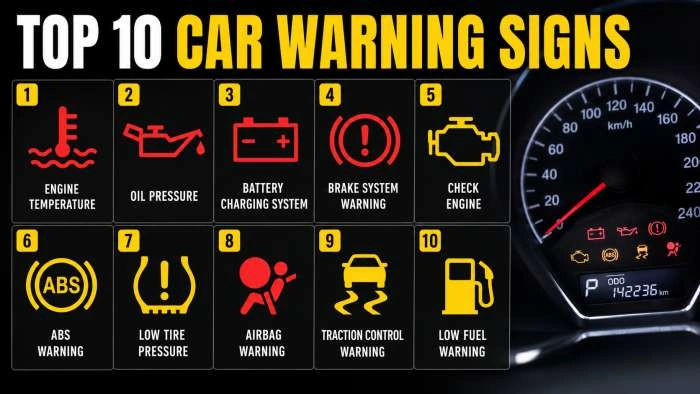
- Ignoring warning lights or weird noises (those never fix themselves)
- Assuming 'no rust'always check beneath for the real story
- Falling for a super low price without checking the basics
Bring a friend who knows cars or pay for a pre-purchase inspection. It beats being surprised later.
When a 'Beater' Isn't Worth It
Sometimes, even a cheap car isnt a good deal. Walk away if:
- The engine makes ticking, knocking, or hissing sounds
- Theres smoke (white, blue, or black) from the exhaust
- Transmission slips or shudders
- There's visible frame damage or heavy rust
No carno matter how affordable or good on gasis worth endless repairs or unsafe driving.
How to Squeeze Every Mile (And Year) from Your Beater
Want to make your beater last? Heres what works:
- Stay on top of fluid changesoil, coolant, transmission
- Check tires regularly and keep them inflated
- Dont ignore little issuesthey get expensive fast
- Wash the salt and grime off to fight rust
The best part? These cars are forgiving. If you mess up, fix it soon, and you'll have a budget car great gas mileage for years.
Are Beater Cars Still Worth Buying in 2025?
With used car prices still high, you might wonder if it's smarter to buy new or lease. But the numbers rarely work out for budget drivers. Beater cars are still your best bet for saving money long-termespecially if you focus on fuel efficiency.
Bottom line: Don't overthink it. If you can find a decent Toyota, Honda, Hyundai, or Ford with a clean title and some service history, it's probably a good bet. Spend your savings on gas (or pizza). Your wallet and your peace of mind will thank you.
FAQs: Best Beater Cars for Gas Mileage
- What cars are best for cheap, reliable driving?
Usually, older Honda Civics and Toyota Corollas are top picks. They're easy to fix, get great gas mileage, and have a reputation for reliability. You might also consider some Hyundai Elantras and Ford Focus modelsthey're solid and often cheaper than Hondas or Toyotas. - Can hybrid cars like the Prius be good beater cars?
Yes, if they've been taken care of. The Toyota Prius is famous for awesome gas mileage and lasting a long time. Replacement batteries can get pricey, but this doesn't always need to be done as soon as you think. Lots of people get over 200,000 miles from their hybrids. - How many miles are too many for a used car?
There's no strict number, but over 200,000 miles means you should look closely at maintenance history. If basic care was done regularly, it's not a dealbreaker. Still, the more miles, the more risk something could wear out soon. - Is it better to buy from a dealer or a private seller?
Private sellers usually offer lower prices. Dealers might give you a short warranty. Either way, always get the car checked by someone you trust before you buy. Don't be shy about asking questions or walking away if it feels sketchy. - How much should I budget for repairs each year?
For the average beater, plan on $500 to $1,000 a year. Sometimes less if you're handy. This covers basic stuff: brakes, oil changes, maybe a battery or alternator. If you keep up with the little fixes, you can usually avoid the big, expensive surprises. - Do fuel efficient used cars really save that much?
Absolutely. Cars that get 35+ mpg can save you hundreds every year, especially if you drive a lot. The difference compared to cars that get 20 mpg isn't smallit adds up over months and years. That's real money back in your pocket instead of your tank.