The world of cars is changing faster than ever. In 2026, a car is no longer just a machine that moves you from place to place. It has become a smart device on wheels. From cars that talk to traffic lights to batteries that charge in minutes, the way we drive is being rebuilt.
If you want to know where the road is heading, you need to look at the latest automotive technology trends. These updates are making driving safer, easier, and much more fun.
Level 3 Autonomous Driving Regulations
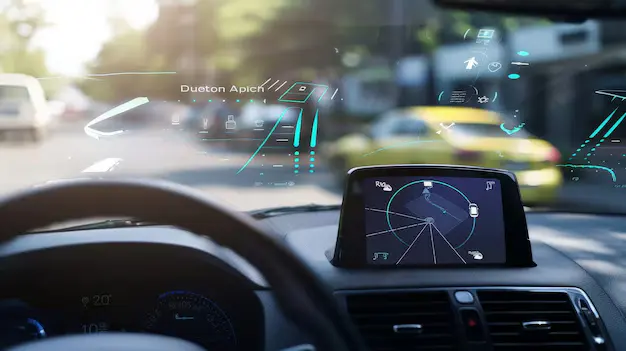
Self-driving cars are not a dream anymore. But there are different levels. Level 2 means you must keep your hands on the wheel. The car helps you, but you are the boss. Level 3 is different.
Level 3 lets the car drive itself. You can take your eyes off the road. You can text. You can read. You do not need to watch every second. But you must be ready to take back control. The car will warn you.
New Rules Make It Legal
For a long time, rules did not allow Level 3. Governments were scared. What if the car crashes? Who is at fault? Now, new level 3 autonomous driving regulations are coming. In some places, you can already use Level 3. Germany said yes. Japan said yes. Some US states are close.
The new rules say:
- The car must warn you before you must drive.
- You get at least 10 seconds to take control.
- If the car crashes while driving itself, the car maker pays.
- Video inside the car checks if you are awake.
These rules are good for normal people. You feel safe. You know who is responsible. More places will pass these rules by 2027.
You may also read :- How Long EV Batteries Actually Last
Real Cars With Level 3 Today
Mercedes has a Level 3 system. It works up to 60 km/h. Honda also has one. These cars can drive in traffic jams by themselves. You can watch a movie. When the traffic opens, the car beeps. Then you drive.
This is one of the latest automotive technology trends that changes daily life. Long drives feel shorter. Traffic jams feel less boring.
Over-the-air (OTA) Performance Upgrades
In the past, if you wanted a faster car or a new feature, you had to buy a new vehicle. Today, cars use Over-the-Air (OTA) performance upgrades.
How It Works
Your car connects to the internet, just like your smartphone. While you sleep, the car manufacturer can send a software update to your vehicle. When you wake up, your car might have more horsepower, a better battery range, or a new interface on your screen.
Keeping the Value High
These updates mean your car gets better over time instead of getting older. It also means safety recalls can often be fixed at home. You don't have to drive to a mechanic to update a computer chip. This saves time and keeps your car running at its best performance level.
Real Examples
Tesla started this. They sent an update that gave cars more speed. Ford does it too. Ford sent an update that fixed a screen lag. Volvo sent an update that made the radio louder.
But the big news is performance. Some car makers now sell upgrades over the air. You pay $100 online. Two minutes later, your car has 20 more horsepower. No shop. No tools. No waiting.
In 2026, nearly every new electric car has OTA. Even cheaper cars have it. This saves you trips to the shop. It saves you money. And your car never becomes old. It just keeps getting new tricks.
Vehicle-to-Everything (V2X) Connectivity
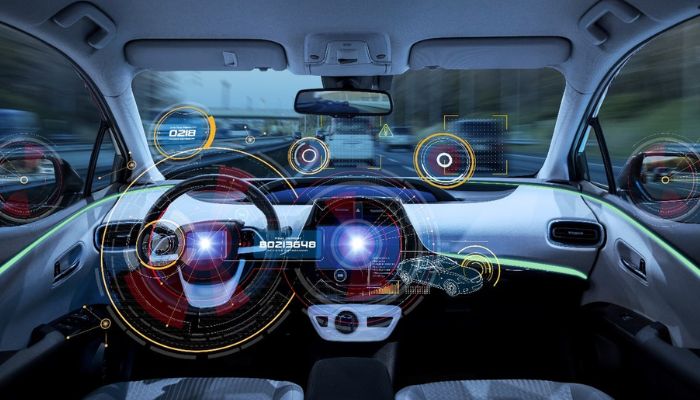
Cars used to be alone. They did not talk to anything. Now, cars talk to traffic lights. They talk to other cars. They talk to crosswalks. This is called Vehicle-to-Everything (V2X) Connectivity.
What Cars Talk About
V2X is not the internet. It is a direct shout. One car shouts to another car. The shout is fast. Faster than a blink.
Here is what cars say:
- "I am stopping hard."
- "There is ice on the next bridge."
- "The light is about to turn red."
- "A child is stepping off the curb."
Your car hears these shouts. Then it acts. It brakes by itself. It warns you. It changes your speed.
Why V2X Saves Lives
Most crashes happen because people do not see things. A car runs a red light. A driver does not see a stopped truck. V2X fixes that. Your car sees what you cannot see.
Let us say a crash happens around a corner. Your car hears the crashed car shout. Before you turn the corner, your car already brakes. That is huge.
In 2026, many new cars have V2X. Some cities are adding V2X to traffic poles. The US government will require V2X in all new cars by 2029. Until then, it stays a top trend for safety lovers.
Digital Cockpit Features
Look at a car dash from 2015. You see round dials. A small screen. Many buttons. Look at a 2026 car. You see one big screen. Or two screens. Or a screen right in front of your eyes. That is the Digital Cockpit.
No More Needles
Old dashboards used needles. A needle for speed. A needle for fuel. New cockpits use pictures. You see your speed as a big number. You see a map behind the wheel. You see how much battery is left as a bar.
Custom Screens
You can change how it looks. You want a big map? Move it. You want music controls? Put them up. You want the speed in the middle? Done.
Some digital cockpits let you move things from the middle screen to behind the wheel. You swipe. It moves. Very easy.
Head-Up Displays
The best digital cockpit features include a head-up display. That is a picture that floats on your windshield. You keep your eyes on the road. But you see your speed. You see the next turn. You see the speed limit.
It looks like a game. But it is real. And it keeps you safe. You never look down again.
Voice and Touch
You can touch the screen. Or you can talk. Say "show map." The map appears. Say "make it warmer." The heat goes up. No buttons. No searching. This is simple. Your grandma can do it.
Digital cockpits are in almost all new cars now. Even cheap cars have a small one. Expensive cars have big ones that wrap around the whole dash.
800V Ultra-Fast Charging Architecture
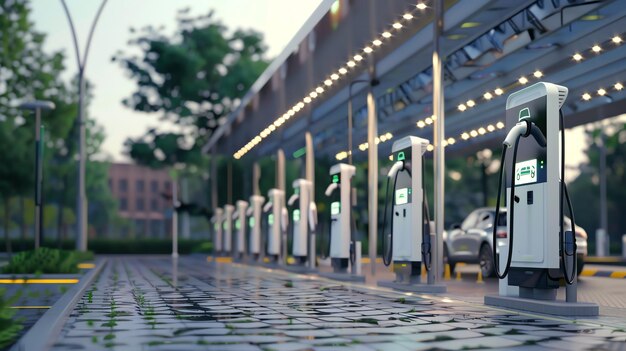
Electric cars are great. But charging takes too long. That is what people used to say. Now, 800V ultra-fast charging architecture fixes that.
What 800V Means
A normal electric car runs on 400 volts. That is like two house dryers. An 800V car runs on, yes, 800 volts. That is like four clothes dryers.
Why does that matter? Higher voltage means faster charging. Much faster.
Real Times
A normal 400V car takes 30 minutes to go from 10% to 80%. An 800V car does it in 12 to 15 minutes. Some new 800V cars do it in 10 minutes.
Ten minutes. That is less than a coffee break. You plug in. You walk inside. You order. You drink half. You walk back. The car is ready.
Which Cars Have It
Porsche started 800V, then Hyundai and Kia. Now, many brands have it. General Motors has it. Ford has it on some trucks. Even some cheaper Chinese EVs have it.
By the end of 2026, half of all new electric cars will be 800V. This is one of the latest automotive technology trends that kills range anxiety. You are not scared of an empty battery anymore. Because an empty battery fills in 10 minutes.
ADAS Safety Features 2026
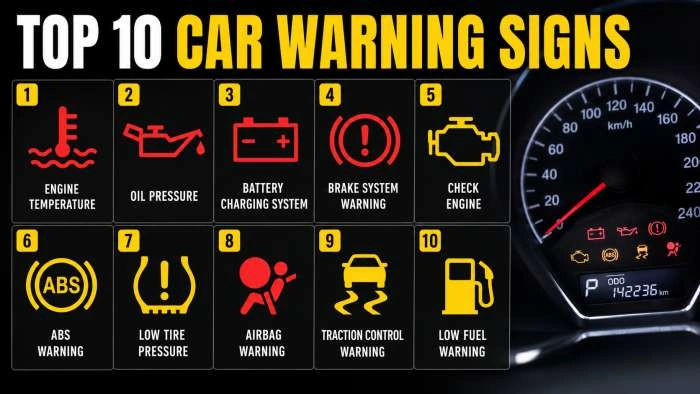
ADAS stands for Advanced Driver Assistance Systems. Fancy name. Simple job. Keep you safe. The newest ADAS safety features of 2026 are smarter than ever.
Old ADAS
Two years ago, ADAS meant
- Beeps when you leave your lane
- Brakes when you get too close
- A camera for backing up
New ADAS 2026
Now, ADAS does much more. Here is what new cars have:
Intersection Assist – You turn left. But you do not see the incoming car. Your car sees it. Car brakes for you. The crash stopped.
Exit Warning—You open your door. A bike is coming. The car beeps loudly. You stop. The door does not hit the bike.
Child Presence Detection—The car feels a small weight in the back seat. You walk away. The car honks. It sends a text to your phone. "Check the backseat." It saves kids from hot cars.
Driver Attention Camera – A small camera watches your eyes. If you close them too long, it beeps. If you look at your phone, it beeps. If you look away for five seconds, it brakes gently.
Reverse Automatic Braking—You back up. You do not see the kid behind you. The car sees. The car stops. Hard stop. No crash.
These ADAS safety features for 2026 are not expensive options. Many are standard on $30,000 cars. That is good news for everyone.
Ultra-fast EV Charging Stations
A fast car needs a fast plug. That is where ultra-fast EV charging stations come in. You cannot use an 800V car without them.
What Is Ultra-Fast
Old charging stations give 50 kW. That is okay. You wait 45 minutes.
New ultra-fast EV charging stations give 350 kW. Some give 500 kW. One new station in China gives 600 kW.
At 350 kW, your 800V car fills in 12 minutes. At 500 kW, under 10 minutes.
Where Are They
In 2024, there were not many. In 2026, they are everywhere. The US is adding thousands. Europe is adding more. China has the most.
Big brands are building them:
- Electrify America has many 350 kW stations.
- IONITY in Europe has them every 100 km.
- Tesla opened some of their stations to all cars. They call them Magic Docks.
How to Find One
Your car knows. You type a destination. The car says, "Stop at this station. It is ultra-fast. Charge 12 minutes. Then it tells the station you are coming. The station saves a spot for you.
This is how electric cars win. You can drive across the whole country. Stop three times. Each stop is 12 minutes. That is faster than gas? Not faster. But close. Very close.
Putting It All Together
These seven trends work together. They are not separate. Your digital cockpit shows you the next ultra-fast station. Your 800V car charges in 12 minutes. While you charge, a new OTA upgrade downloads. After you plug out, your Level 3 car drives itself on the highway. V2X talks to the traffic lights. ADAS watches the crosswalk. You sit. You relax. You arrive fresh.
That is the car of 2026. It is not science fiction. It is on sale today.
A Simple Buy Guide
If you want a new car with these trends, look for:
- Level 3 – Only a few cars. Wait two years for more.
- OTA – Almost all electric cars. Ask the dealer.
- V2X – Check the window sticker. It says "V2V" or "C-V2X."
- Digital Cockpit – All new cars have some. Bigger is better.
- 800V – Ask, "Is this 400V or 800V?" If they say 800V, good.
- ADAS – Look for Intersection Assist and Exit Warning.
- Ultra-fast stations – No need to buy. Just use the app.
The Future After 2026
Trends do not stop. In 2027, we will see:
- More Level 3 on highways, not just traffic jams.
- OTA upgrades for old cars, not just new ones.
- V2X talking to your home lights. Car tells home, "Coming in 10 minutes." Home turns on heat.
- Digital cockpit screens on the steering wheel.
- 1000V cars that charge in 5 minutes.
- ADAS that watches the road behind you too.
- Ultra-fast stations at every highway stop.
But for now, 2026 is good. The latest automotive technology trends make driving easier, safer, and less waiting. You do not need to be rich. You do not need to be smart about cars. You just need to pick a car built in the last year.
Go test drive one. Feel the difference. You will not want to go back.