The automobile landscape of Haryana is changing fast. Rugged SUVs are dominating the rural roads. Electric vehicles are gaining ground in urban and semi urban areas. Like in Gurugram and nearby regions. Deep differences are reflected by this contrast. Specially lifestyle infrastructure and income levels. And daily mobility needs across the state.
There are dusty village roads and Smart city Expressways. A fascinating picture of India’s evolving mobility is shown by Haryana today.
Rural Haryana’s Love Affair with SUVs.
Built for Rough Roads and Real Needs.
The roads in rural Haryana are often uneven, narrow and under constructed. Vehicles are not only for commuting. Especially for villagers, farmers and small business owners. These vehicles are considered the tools of work. Higher ground clearance is offered by SUVs. They have powerful engines and strong suspension. It makes them ideal for village terrains.

No matter if they are carrying farm produce. Or transporting family members. And are navigating the muddy roads during monsoon. SUVs have the power to handle it easily.
Power, Prestige, and Practicality.
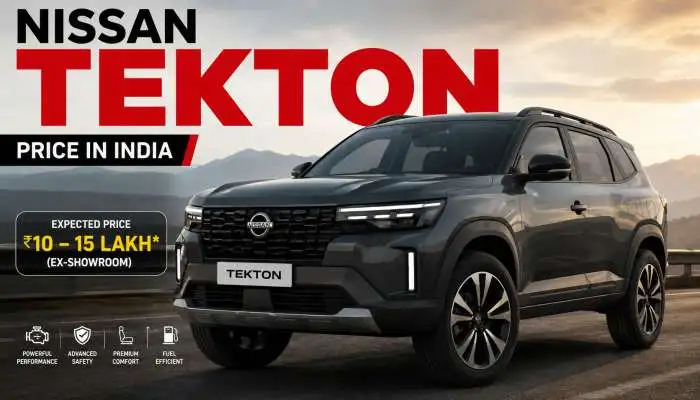
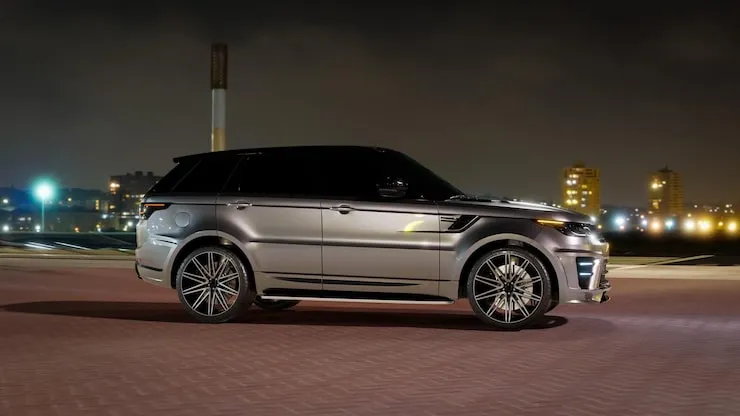
In rural areas, there is a strong sense of status that SUVs carry. There is a lot of stability in owning a big vehicle. Models of Mahindra and Toyota, are good choices. They have durability with a good road presence.
SUV vehicles with diesel are chosen more. As they have better mileage on long routes. And they are easily available for fuel in villages.
Limited EV Infrastructure in Villages.
In rural Haryana electric vehicles are yet to own a strong place. There is a lack of charging stations. The power supply is irregular. Among the buyers, hesitation is created by limited service centres. Reliability matters more than innovation for the villagers. The confidence is delivered by SUVs continuously.
Urban Shift: EVs Power the Gurugram–Panchkula Corridor.
Cities Embrace Clean Mobility.
An EV revolution is seen by urban Haryana in contrast. There is a steady rise in electric car and two wheeler adoption. As the states are seeing it. EVs are chosen by office goers, tech workers and new families. For commuting daily.
EVS have become a go to and economical option in the cities. They travel short distances, better roads, and traffic congestion.
Strong Charging Stations Boosts Confidence.
In this corridor, one of the main reasons behind the growth of EV is the infrastructure. Charging points are offered at the shopping malls, IT parks. And at residential societies and highways. There are fast chargers installed along NH 48. The range anxiety has been reduced for the other key roots.
The charging networks are expanding actively for the government and private players. It has made owning the EV more convenient than ever.
Lower Running Costs and Incentives.
There are clear financial benefits given by EV. The fuel cost is lower with less maintenance. The urban buyers are attracted by tax benefits. With the central systems incentives. The EV policy of Haryana is combined. Because of which EV cars have become easier to buy.
Some of the models and electric scooters are becoming a common sight on city roads.
Lifestyle Differences Drive Vehicle Choices.
Daily Use Patterns Matter.
Long distances are often taken by the rural people. They carry heavier loads and are making SUVs more suitable. Short distances are driven by the people in the cities. In this pattern, EV fits perfectly.
There is access to private parking and charging options by the urban house. It is known to be rare in villages.
Environmental Awareness in Cities.
The city people are more exposed to words. That is about climate change, pollution and sustainability. The urban buyers are moving towards EV systems. Because of the fuel prices which are rising. They are even concerned about the air quality. They are moving towards electric mobility.
With the eco conscious mindset, EVS aligned well. Especially among young professionals of Haryana.
What Lies Ahead for Haryana’s Roads.
Haryana stands at a right crossroad. The backbone of mobility is SUV for many years to come. As the system improves and costs fall. The EV adoption in urban corridors will only speed up.
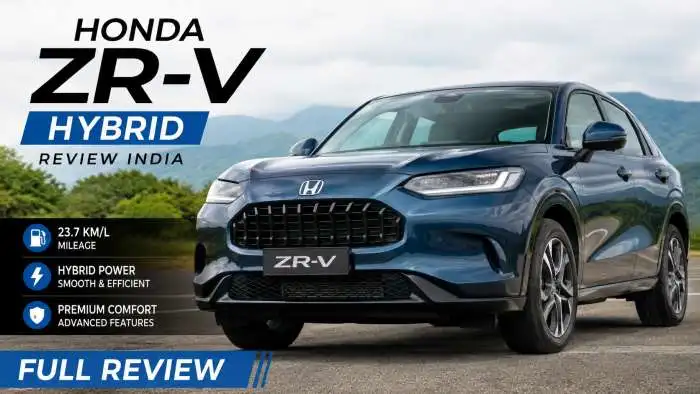
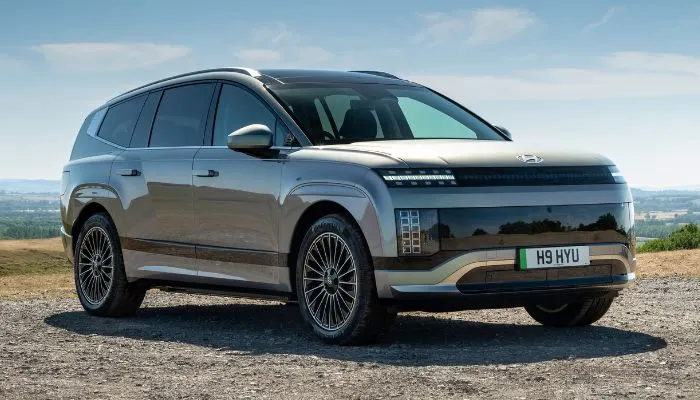
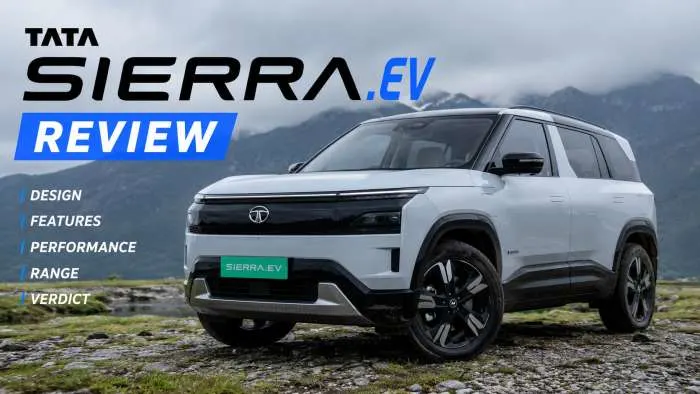
As a middle ground, hybrid vehicles and electric SUVs could emerge. They connect the rural system with the urban one.
Conclusion:
In rural Haryana, there is a contrast between SUVs and EVs. Gurugram and Panchkula corridor highlights how geography, lifestyle and infrastructure is shaping the consumer choices. Two different stories are told by the roads of Haryana. One is rooted in tradition and strength. The other takes place by innovation and sustainability.
The state’s dynamic journey is shown together by them. They are moving towards a smarter and a better future.