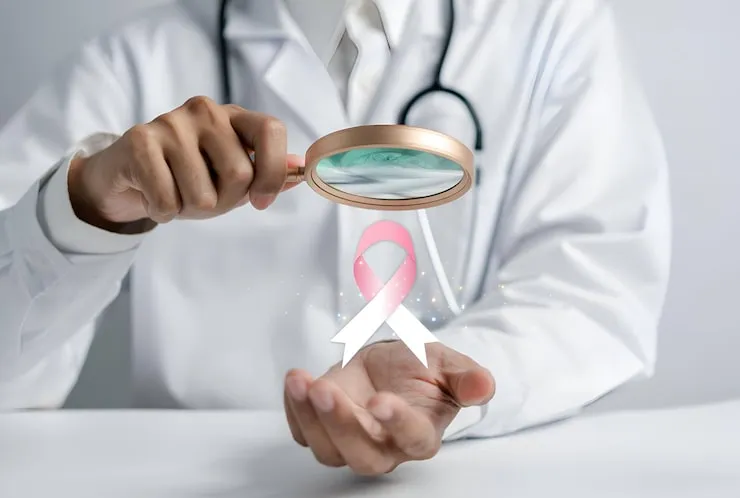
Imagine your body is a giant castle, with guards protecting it every day. Cancer cells are like tiny invaders that try to sneak in quietly. Scientists and doctors have a powerful tool called cancer screening to spot these invaders early.
Medical research helps us understand the best ways to screen for cancer, so people can stay healthy and safe. Screening is like using telescopes, guards, and special maps to protect your castle before anything bad happens.
In this article, we’ll explore what cancer screening is, how medical research improves it, and why it matters—explained in a way even kids can understand.
1. What Is Cancer Screening?
Cancer screening is a test or series of tests doctors use to find cancer early, often before a person feels sick.
Kid-Friendly Analogy: Think of it like checking your bike before riding it. You look at the tires, brakes, and chain to make sure everything is okay. Screening does the same thing for your body.
Common Screening Tests:
-
Mammograms for breast cancer
-
Colonoscopies for colon cancer
-
Pap smears for cervical cancer
-
Blood tests and imaging scans
2. Why Early Detection Matters
Cancer grows quietly, sometimes without symptoms. Medical research shows that finding it early saves lives.
Benefits of Early Detection:
-
Easier treatment
-
Higher survival rates
-
Fewer complications
-
Less stress for patients and families
Kid Example: Imagine a tiny crack in your castle wall. If you fix it immediately, the castle stays strong. If you wait, it could collapse. Screening helps fix cracks early.
3. How Medical Research Improves Screening
Doctors and scientists are always learning how to make screening more accurate and safe.
Ways Research Helps:
-
Identifying new early signs of cancer
-
Creating better tests that are less painful
-
Determining the best ages and intervals for screening
-
Understanding risk factors to focus on high-risk patients
Kid Analogy: Research is like building better telescopes to spot invaders in your castle sooner.
4. Secret #1: Saves Lives
One of the most important findings from medical research is that screening saves lives.
Example: Studies show women who get mammograms regularly have a higher chance of surviving breast cancer. Early detection gives doctors a head start in treatment.
Kid-Friendly Story: Mr. Lee went for a routine check-up. Doctors found a tiny problem in his colon. Treatment started immediately, and he stayed healthy. Screening helped save his life.
5. Secret #2: Reduces Treatment Complications
Medical research proves that early detection often means simpler treatments.
Kid Analogy: Fixing a small hole in a boat is easier than repairing a sinking ship. Screening detects small problems before they become big.
Example: A woman found a small lump during a routine mammogram. Doctors removed it, and she avoided major surgery.
6. Secret #3: Helps Families Plan Ahead
Finding cancer early gives families time to prepare emotionally and practically.
Research Shows: Early detection reduces anxiety and improves overall family well-being.
Kid Example: The Johnson family knew about Grandma’s early-stage cancer and planned visits, meals, and support. This made treatment less scary and stressful.
7. Secret #4: Improves Survival Rates
Research shows that patients diagnosed early through screening often survive longer than those diagnosed late.
Statistics:
-
Colon cancer: early detection survival >90%
-
Breast cancer: early detection survival >85%
-
Cervical cancer: early detection survival >80%
Kid Analogy: Catching trouble early is like fixing a leaky roof before it floods your house.
8. Secret #5: Supports Research and Innovation
Medical research uses screening data to improve healthcare.
Examples:
-
Identifying new cancer markers in blood
-
Developing AI tools for imaging scans
-
Studying trends in populations to reduce cancer risk
Kid-Friendly Analogy: It’s like scientists studying how ants build colonies to protect their queen. Data from screening helps improve defenses for everyone.
9. Secret #6: Screening Can Be Painless and Safe
Medical research has made screening easier and safer for everyone.
Examples:
-
Low-radiation mammograms
-
Non-invasive blood tests
-
Quick imaging scans
Kid Analogy: Screening is like brushing your teeth—it might feel a little weird, but it keeps your body healthy and strong.
10. Secret #7: Detects Cancer in People Without Symptoms
Some cancers don’t show symptoms until very late. Screening can detect them even if you feel healthy.
Example: Mr. Davis felt fine but a colonoscopy detected early-stage cancer. Treatment was easy, and he stayed healthy.
Kid Analogy: Checking for termites in a house even when it looks fine. Screening finds hidden problems before damage happens.
11. Secret #8: Research Helps Focus on High-Risk Groups
Medical studies show that some people are at higher risk of certain cancers:
-
Family history
-
Lifestyle factors (smoking, diet)
-
Age and gender
Benefit: Screening can be prioritized for these people, catching cancer even earlier.
Kid Example: Imagine guards paying extra attention to the castle gate where invaders usually sneak in. Research shows where to look closely.
12. Secret #9: Encourages Healthy Lifestyles
Research also shows that screening programs encourage people to adopt healthier habits:
-
Eating better
-
Exercising regularly
-
Avoiding tobacco and alcohol
Kid Analogy: Think of it as strengthening your castle walls after spotting a small crack. Healthy habits help protect your body.
13. Secret #10: Provides Peace of Mind
Even if results are normal, screening gives peace of mind.
Kid Example: Lucy was worried about her grandma. They went for a screening, and everything was fine. Now, Lucy and her grandma feel calm and happy.
Analogy: Like checking your backpack before school—you know you have everything you need.
14. How Often Should People Get Screened?
Research guides doctors on when and how often to screen:
-
Mammograms: women over 40, every 1–2 years
-
Colonoscopies: adults over 50, every 10 years
-
Pap smears: women 21–65, every 3–5 years
Kid-Friendly Analogy: Like checking your bike regularly before rides. Even if it seems fine, routine checks prevent accidents.
15. Common Myths About Screening
Medical research dispels myths:
-
Myth: “I feel fine, so I don’t need screening.”
Truth: Many cancers show no symptoms early. -
Myth: “Screening is painful.”
Truth: Modern screening is safe and quick. -
Myth: “I’m too young.”
Truth: Some risk factors require earlier checks.
Kid Analogy: Just because the sun is shining doesn’t mean you skip sunscreen. Screening protects even when everything seems fine.
16. Stories from Medical Research
Story 1: Anna went for her first mammogram. Doctors found a tiny tumor early, removed it, and she stayed healthy.
Story 2: Mr. David had no symptoms, but colonoscopy detected early cancer. Treatment was successful, and he returned to work and family life.
Story 3: Families participating in regular screenings feel empowered and less anxious.
These stories show how screening saves lives and brings hope.
17. How Families Can Support Screening
-
Encourage family members to get regular screenings
-
Share positive experiences
-
Help schedule appointments
-
Teach children the importance of health and prevention
Kid Analogy: Families are like a team of knights protecting the castle together. Everyone helps keep the castle safe.
18. Screening Programs Around the World
Many countries provide free or low-cost screening programs:
-
Mammograms for women
-
Colonoscopies for adults
-
Pap smears for women
-
HPV vaccination programs to prevent cervical cancer
Kid-Friendly Analogy: Like free helmets at a bike safety event—everyone gets protection!
Emotional Benefits of Early Detection
Medical research shows that early detection reduces fear and anxiety:
-
Patients feel more confident about treatment
-
Families feel less stressed
-
Encourages positive attitudes toward health
Kid Example: Mrs. Green was nervous about a lump. Screening found it early, treatment was easy, and her family felt relieved.
Kid Analogy: Finding a small hole in a bucket early stops it from spilling water everywhere.
Conclusion: Screening and Research Save Lives
Medical research on cancer screening helps protect people by:
-
Detecting cancer early
-
Reducing complications and treatment costs
-
Supporting families emotionally
-
Encouraging healthy habits
-
Improving medical knowledge and future care
Kid Analogy: Screening is like magical guards and telescopes for your castle. They find tiny invaders before they cause trouble, keeping the castle—and the people inside—safe and happy.