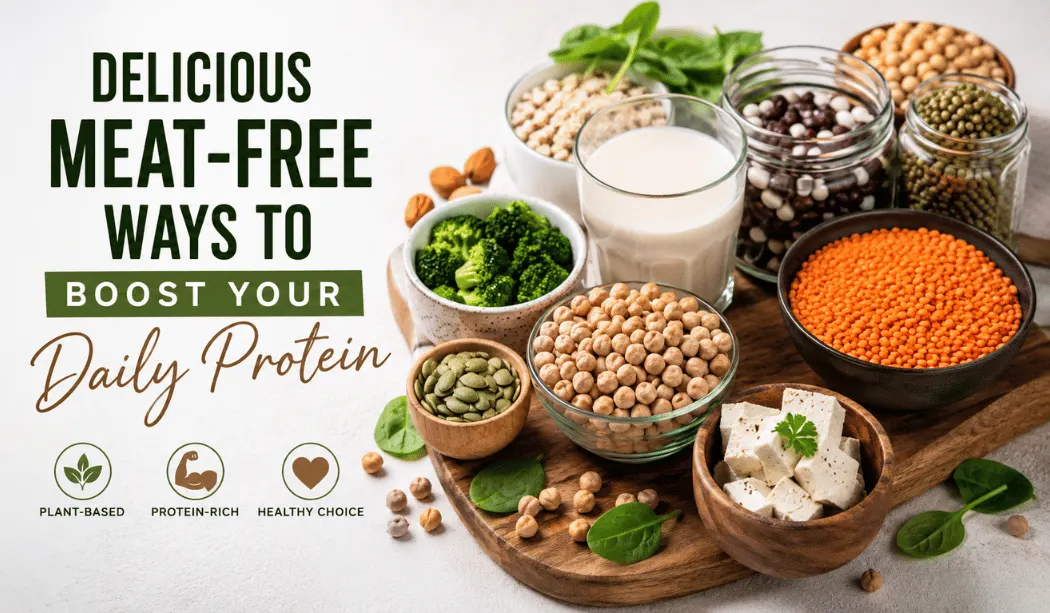
When you think about protein, you almost certainly associate it with meat. But you can also enjoy loads of protein alternatives as part of a balanced diet. These important proteins play a vital role in your body by helping to grow and repair your cells. Therefore, you can easily get your fill of protein from delicious options like tofu, seeds, nuts, and yogurt – all meat-free!
How much protein do we need
These chemical blocks, which we know as amino acids, serve as the key components of protein and help individuals build and repair bone and muscle, while also aiding in hormone production and enzyme activity. Health authorities in Australia and the UK generally suggest that the average adult should consume about 0.03oz (0.75g) of protein for every 2.2lb (1kg) of body weight – a recommendation that is slightly higher in the US and Canada, where it amounts to approximately 1.5oz (45g) of protein for the average woman and 2oz (57g) for the average man.
Almonds
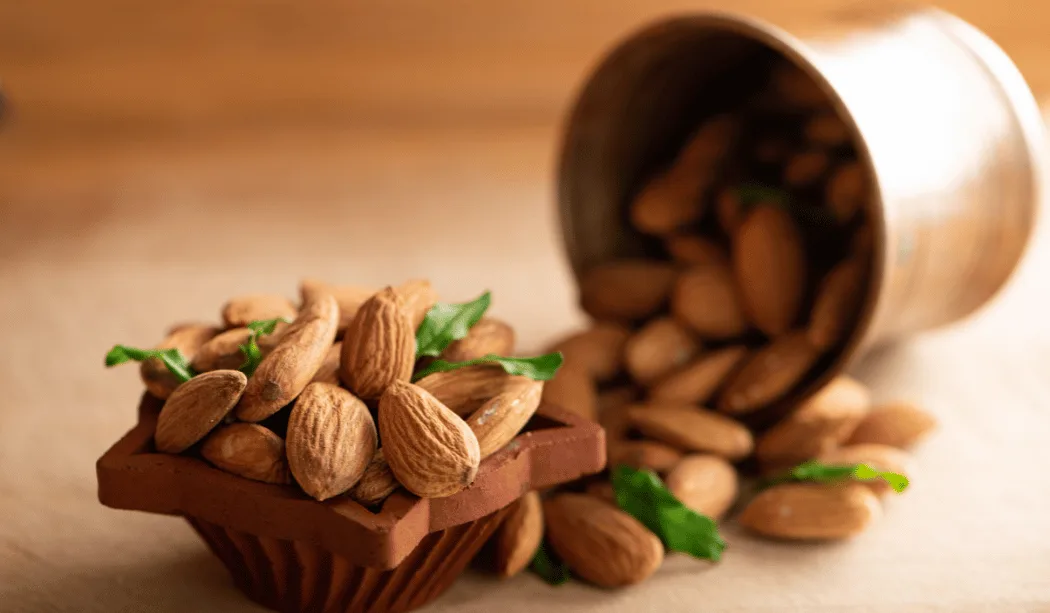
Snacking with almonds provides a satisfying high-protein option that is both tasty and heart-friendly. You can easily incorporate almonds into your favourite foods. Delicious in cakes and various sweet and savoury recipes, these nut delights truly make an ideal treat. A 1 oz serving of almonds offers a substantial 6g of protein.
Black beans
Black beans, which frequently appear in vegetarian cooking, add flavor and nutrition to many vegetarian chilis and veggie burgers, in addition to being enjoyed on their own. Whether cooks use them canned or dried, these legumes offer plenty of health advantages and a surprising protein content—half an ounce (14 grams) of cooked black beans’ equivalent weighs in at about six ounces (170 grams)—not to mention that they store well for ages.
Cashews
If you want to add some protein to your Homemade Trail Mix while keeping it healthy, then you should try incorporating some cashews, which contain an astounding 0.7oz (20g) of protein per 5oz (142g)! These cashews, native to Brazil and classified as a fruit seed rather than a nut, are low in sugar and high in fiber.
Chia seeds
Packed with minerals, antioxidants and Omega-3 fatty acids, less than 0.2oz (5.5g) of protein, as well as 0.4oz (11g) of fibre, is offered by 1oz (28g) of chia seeds. They can be eaten whole, with them being sprinkled on yogurt, cereal, and salad, or when soaked in water, a thick, gel-like mixture can be formed by the chia seeds, which serves as an excellent base for a filling, high-protein pudding or dessert.
Cottage cheese
Health Benefits of Cottage Cheese Cottage cheese is a nutritious source of calcium, vitamins, and protein, and is also surprisingly low in calories. Approximately 0.8 ounces of protein is contained in one 7.5-ounce serving of cottage cheese, making it an excellent choice if ways to bump up protein without loading up on extra calories and fat are being sought.
Edamame
Nothing beats the sensation of squeezing the succulent soya beans out of the shell sprinkled with a little salt. Soya beans in pods-or edamame- are an Asian favorite and, for good reason, not just yummy but good for you too, with 0.6oz (18g) of protein per 5.5oz (155g) portion. Edamame comes fresh or frozen, in pods or de-shelled and can be steamed, seasoned with sea salt and eaten as a snack, or enjoyed in your poke bowl.
Ezekiel bread
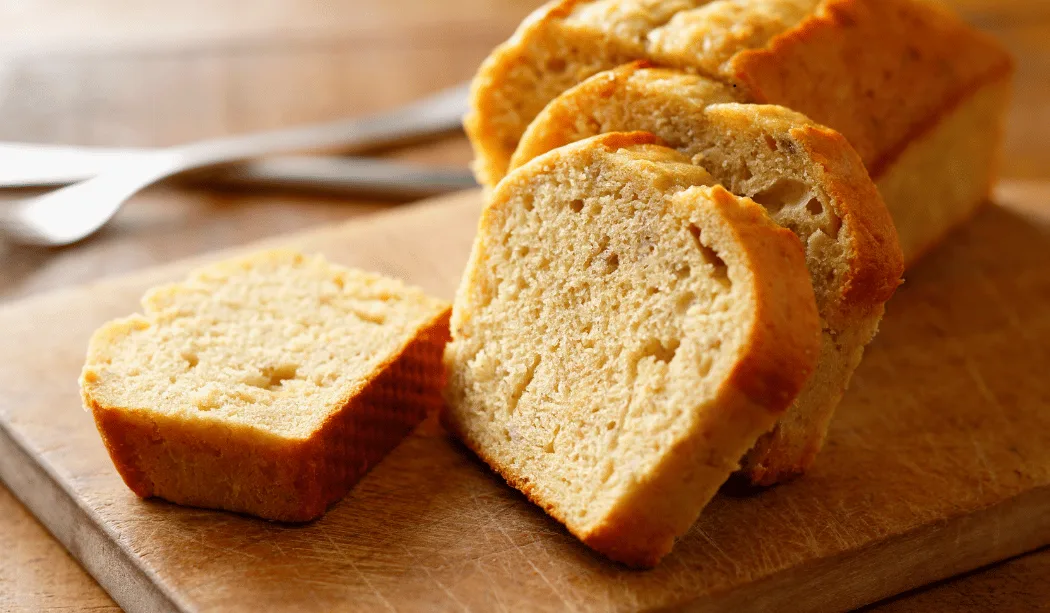
Instead of flour, sprouted whole grains (including wheat, barley, spelt, and millet) and sprouted legumes (like soybeans and lentils) form Ezekiel bread during the germination process. This unique bread is high in protein, packed with vitamins and minerals, contains a relatively low amount of carbohydrates, and does not include added sugars or artificial additives in its ingredient list. Still, you need to remember that this bread contains wheat, making it unsuitable for those who require a gluten-free diet. A slice weighing 1.6oz (45g) provides roughly 0.2oz (5g) of protein.
Goji berries
These vibrant berries abound with antioxidants, burst with flavor, and effectively promote immunity, which makes them a go-to choice in your smoothie bowl, cereal, and granola mix. Additionally, these berries serve as a fabulous source of protein: 1oz (28g)—that's just about 5 tbsp—will provide you with 0.15oz (4g) of protein!
Greek yogurt
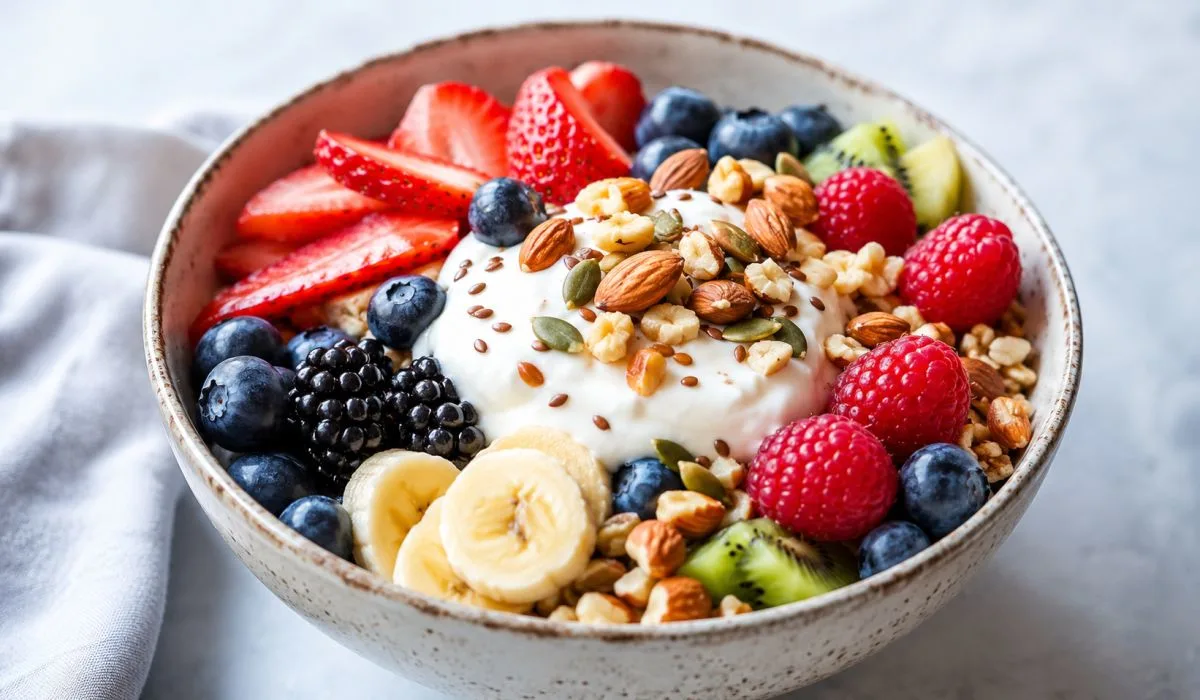
This is really just plain yogurt that producers make from cows' milk, and they strain it to get rid of most of the whey, which is how it achieves its deliciously thick texture. Greek yogurt tastes terrific on granola topped with some berries for breakfast, and a 3.5oz (100g) portion provides 0.3oz (9g) of protein. I'm also happy to swap it out for a low-fat mayonnaise, and it serves as my favorite substitute for sour cream.
FAQ's
1. Can you get enough protein on a completely meat-free diet?
Yes. By eating a variety of plant foods like legumes, tofu, tempeh, nuts, seeds, and whole grains, you can easily meet your daily protein requirements without meat.
2. What are the highest protein meat substitutes?
Tempeh, seitan, and edamame. Tempeh offers about 20 grams of protein per 3-ounce serving, seitan (made from wheat gluten) packs around 25 grams per 3 ounces, and a cup of cooked edamame delivers roughly 18 grams.
3. Do I need to combine specific plant proteins at every meal?
No. The old myth that you must combine complementary proteins (like beans and rice) in the exact same sitting is outdated. As long as you eat a diverse mix of plant proteins throughout the day, your body gets all the essential amino acids it needs.
4. What are some easy, high-protein snacks?
Roasted chickpeas, pumpkin seeds, and Greek yogurt (if dairy is included). A handful of pumpkin seeds provides about 7 grams of protein, while a single cup of low-fat Greek yogurt can pack up to 20 grams.
5. How can I boost protein in everyday meals without changing the recipe?
Stir in "stealth" ingredients. Mix a tablespoon of hemp seeds or chia seeds into your morning oatmeal, blend silken tofu into smoothies or pasta sauces, or substitute standard white rice with quinoa.