If you've ever stared at your grocery cart and wondered if you could help the planet by switching up what's inside, you're not alone. Most of us want to eat healthier and do better for the world, but don't know where to start. The good news is, small sustainable food choices really do add up. Plus, it doesn't mean giving up your favorite foodsit's about making a few smart swaps and paying attention.
What Are Sustainable Food Choices, Really?
Sustainable food choices sound complicated, but they just mean picking eats that are good for you, your wallet, and the earth. We're talking about meals and snacks that use less water, create fewer emissions, and don't wreck wildlife. It covers everything from a plant-based diet to knowing where your eggs come from.
- Plant-based meals (like beans or veggie chili)
- Locally grown fruits and veggies
- Meat less often (but not never, unless you want to!)
- Less plastic packaging
Making these swaps matters because food production is a big chunk of the world's pollution. Every time you pick green food options, you send a messageand you'll probably feel better in the long run, too.
How Do You Start an Eco-Friendly Diet Without Going Broke?
The biggest myth: eating eco-friendly is expensive. Not true. Sure, organic strawberries in winter can cost a ton, but you don't need to buy everything organic. Try this instead:
- Buy fruits and veggies in season.
- Eat more lentils, beans, rice, and oats.
- Shop at local farmers' markets if you can.
- Go for the frozen aislefrozen veggies are picked at peak freshness and often cost less.
One summer, I swapped taco night beef for black beans andsurpriseit tasted great, cost less, and kept everyone full. Plus, you can still have treats. An eco-friendly diet isn't punishment; it just means you're smart about what you eat most days.
Can You Make Small Changes That Actually Matter?
Absolutely. You don't have to flip your world upside down to help. Sustainable eating habits stick best when they're small enough to do without thinking. Try these:
- Start Meatless Mondays.
- Pack leftovers for lunch (less waste and easier on your budget).
- Use a reusable grocery bagit's a classic for a reason.
- Read labelslook for products grown closer to home.
I used to toss half a bag of salad every week. Now, I plan meals so what I buy gets eatenit's simple, but it cuts waste.
What Makes a Meal Environmentally Friendly?
No need for a science degree. Environmentally friendly meals usually:
- Have more veggies and whole grains than meat.
- Skip single-use plastics or too much packaging.
- Use ingredients that grew nearby (less travel means less pollution).
- Avoid foods known to drain resources (like out-of-season berries flown across the world).
Sustainable food choices dont mean you never eat steak again. Just swap in plants more often. If you already love vegetarian chili, you're halfway there. If not, keep regular faves but balance with easy vegetable meals.
What's the Deal With a Plant-Based Diet?
You don't need to become a full-on vegan. Even adding one or two extra veggie-focused foods each week helps. Here's why plant-based options get so much buzz:
- They use less water and land to grow.
- They don't create as many greenhouse gases.
- They're often packed with fiber and nutrients (good for your body!).
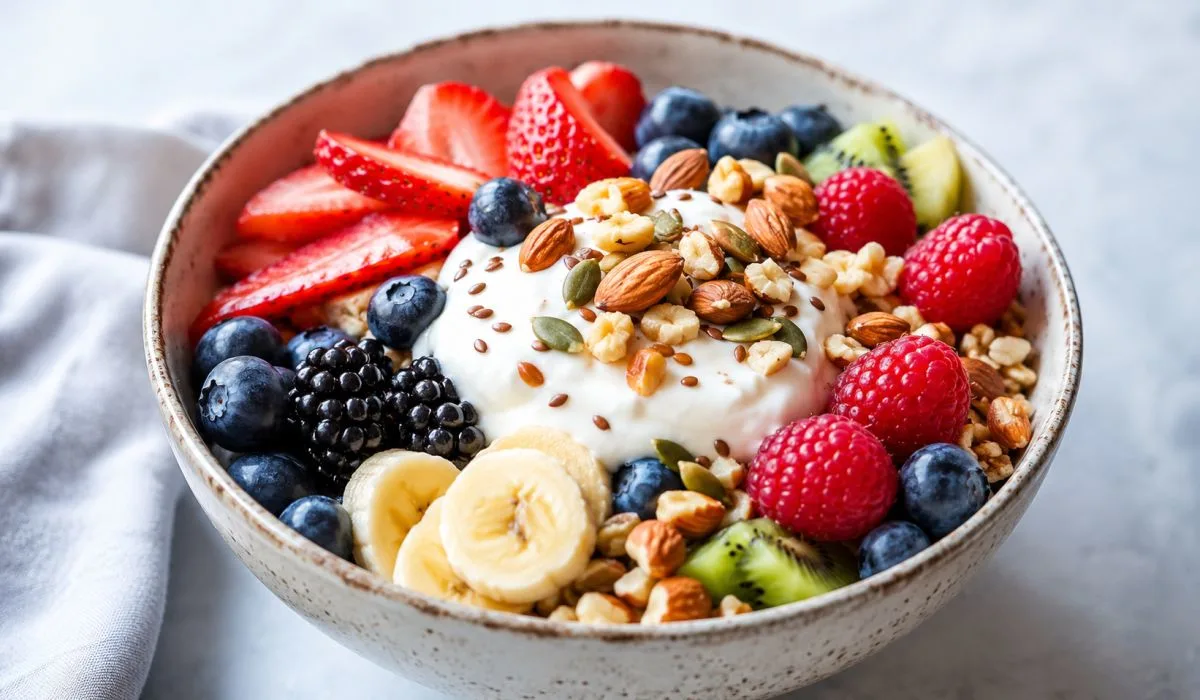
One friend switched breakfast to oatmeal with berries five days a week and noticed she snacked less and saved money. That's the kind of plant-based swap that's easy to keep.
What Could Go Wrong When You Try Eating Green?
Let's be realsometimes sustainable swaps backfire. Common mistakes:
- Trying to change everything at once (you'll burn out).
- Thinking you have to buy expensive organic everything (you don't).
- Shopping without a plan and wasting food (ouch for your wallet and the planet).
- Feeling guilty for eating out or grabbing takeout sometimes.
The secret is progress, not perfection. Pick one change. Stick with it. Add more when you're ready.
How to Keep Sustainable Eating Habits Going
Turns out, habit beats motivation. If you want sustainable eating habits that last, set yourself up for easy wins:
- Prep lunch or snacks in advance so you're not stuck hungry.
- Choose one dinner each week to try a new plant-based recipe.
- Loop your family or roommates init's easier (and more fun) together.
I found that putting a veggie broth soup on Sundays made busy weeknights easierand everyone could add what they wanted, so no one complained.
Ready for a Greener Food Life?
Changing how you eat doesn't have to feel huge. Pick one thing: try Meatless Monday, buy a seasonal veggie, or plan to use up all your leftovers this week. Your sustainable food choices matter. Soon, these small moves feel normaland you don't just eat better; you feel better, too.
Frequently Asked Questions
- What are some simple sustainable food choices I can start with?
Start with swapping meat for beans or lentils in one meal a week. Pick local, in-season veggies, and use a reusable bag. Even these small steps make a difference. - Is an eco-friendly diet harder for families with kids or picky eaters?
Nope, and you don't have to force vegetables on anyone. Get kids involved in choosing fruits and veggies, and try one new green food option together each week. Slowly adding new foods is less stressful for everyone. - How do I avoid food waste for a sustainable lifestyle?
Plan your meals before shopping, make a list, and check what's already in your fridge. Use leftovers for lunches or freeze extras. Little changes like this stop you from tossing out foodand money. - Are plant-based diets more expensive than eating meat?
Usually they're cheaper. Ingredients like beans, rice, and seasonal produce tend to cost less than beef or chicken. If you focus on whole foods and avoid fancy packaged items, you'll likely save money. - What's the best way to introduce sustainable eating habits to someone new?
Keep it simple. Suggest making one swap, like using oats for breakfast instead of pre-packed pastries, or trying a veggie stir-fry for dinner once a week. Encourage, don't pressure. Changes stick when they're easy. - Can I still enjoy takeout or eating out and be environmentally friendly?
Yes, just be mindful. Look for places offering plant-based or locally sourced meals. Bring your own container for leftovers if you can, and skip extra plastics. You can still enjoy your favorites and make smart choices.