Buying your first home can feel like solving a giant puzzle, blindfolded, while everyone you know keeps shouting advice. You're not alone. Every first time home buyer faces the whirlwind of excitement, nerves, and a million questions. If you want real answers (not just what your cousin thinks), keep reading. We're talking everyday, smart first time home buyer tips that open doors—literally.
What actually counts as a first time home buyer?
Think it's just your very first house ever? Not always. In most states, if you haven't owned a home in the last three years, you count. This matters because special loans and grants kick in for first time home buyers. So, even if you owned a place ages ago, you could still qualify.
- If you’ve only rented, you’re golden
- Owned ages ago, sold, and rented since? Still counts
- Been on the deed with a parent but never paid the mortgage? Sometimes, you’re in luck
Tip: Check your local rules before you assume you’re out.
What are the secret opportunities everyone misses?
It’s not written on billboards, but there are hidden programs for first time home buyers.
- Down payment assistance grants—free money you never have to pay back
- Lower interest rates from local agencies
- Tax credits that show up after you buy
If you think these are for “other people,” think again. Lots of middle-class families and single folks get help. The trick is to ask early—before you start house-hunting. Some programs run out of money by summer.
Walking through the steps: How does the home buying process actually work?
Thinking about buying a house for the first time feels huge. But break it down:
- Figure out what you can afford (don’t just use an online calculator—talk to a real lender)
- Save up more money than you think you’ll need (closing costs sneak up fast)
- Get pre-approved for a loan before you look at listings
- Find an agent who gets first time buyers (ask if they remember their own first buy!)
- Tour homes in your price range—and a few below it
- Make an offer when you’re sure, not just when you’re tired of looking
It sounds like a lot, but you take it step by step. And remember, no agent should rush you. Good agents know the first home purchase advice that matters is: don’t settle, but don’t chase unicorns either.
How do you avoid rookie mistakes?
Almost every new buyer stumbles somewhere. Here’s how to skip the big pitfalls:
- Don’t skip the inspection (even if the house looks spotless)
- Don’t blow your savings on the down payment—save some for emergencies
- Don’t listen to everyone’s advice—pick 1-2 trusted sources
- Don’t take out new credit cards or loans while you’re waiting to close
Your cousin’s friend’s neighbor isn’t moving in with you. Choose what works for your life, your budget, your future.
Can you really score your dream home as a first timer?
Yes, but maybe not the Instagram-perfect one you’ve saved a hundred times. Here’s the secret: The best first home doesn’t need to be forever. Your first house is a foothold. Find something safe, comfortable, and within your budget. It’s not settling. It’s being smart. In a few years, you’ll have equity and options—maybe even enough to go after that dream kitchen down the road.
What else do smart first time buyers do?
- Ask for closing cost help—it never hurts to try
- Negotiate repairs before you sign, not after
- Read every document (out loud if you have to—hidden fees hide in small print)
- Keep a list of your must-haves vs. nice-to-haves
- Stay flexible on location or features if it means a better deal
People who get the best deals on their first home always ask questions and don’t rush. There’s no prize for closing first—only for getting it right.
FAQ: First Time Home Buyer Guide
- How much money do I need to buy a house for the first time?
Most first time buyers think you need 20% down, but many put down as little as 3%. Still, you'll also want to save up for closing costs (usually 2-5% of the price) and have some cash set aside for emergencies. Talk to a lender before you start shopping so you know real numbers for your area. - Should I use a first time home buyer program?
Yes, if you qualify. First time home buyer programs can offer lower rates, down payment help, or even free money. These can make buying your first house way less stressful. Some paperwork is required, but the benefits are usually worth it. - What is the home buying process step by step?
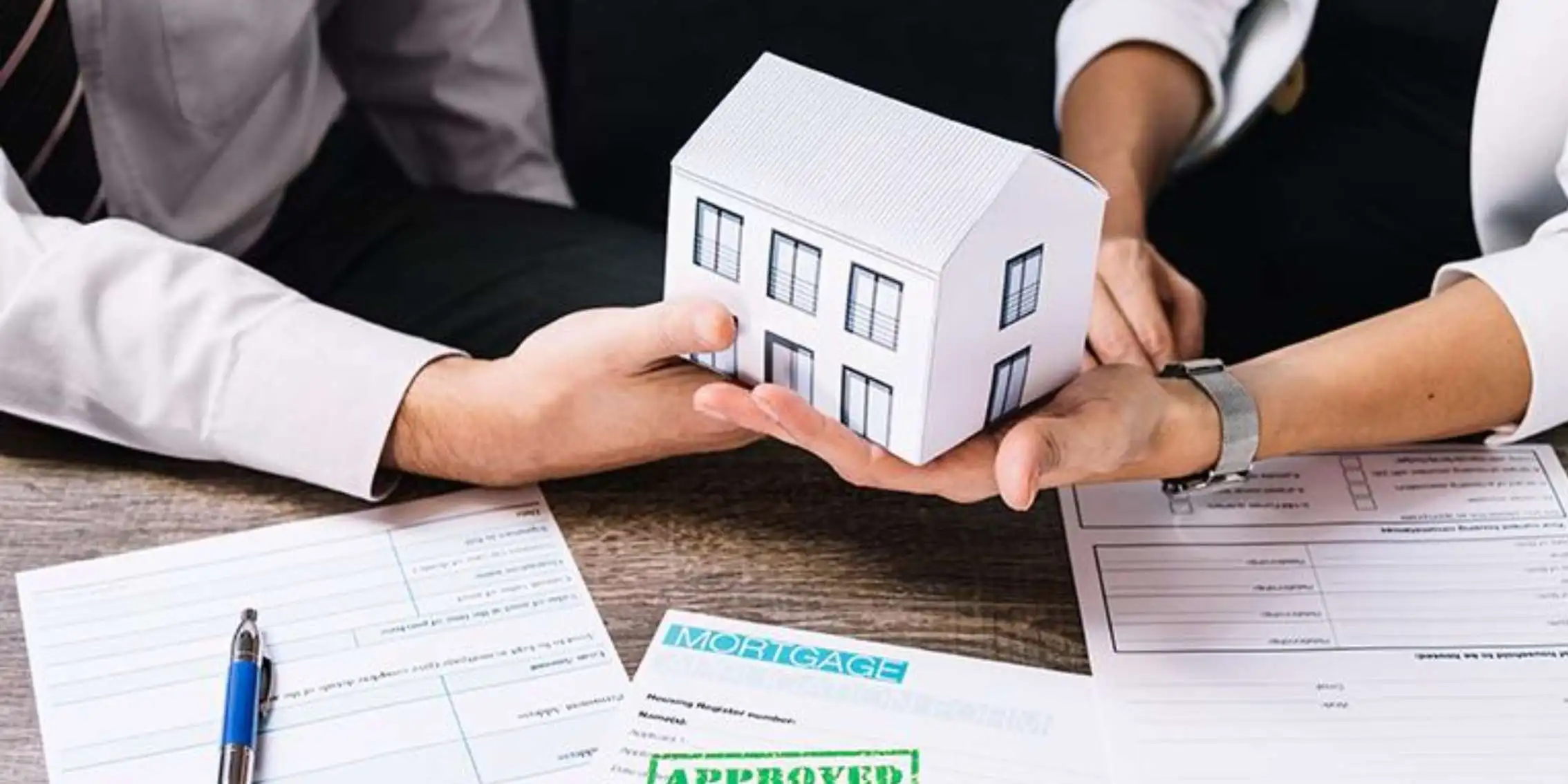
Start by getting pre-approved for a loan, then look at homes you can afford. Make an offer when you find the right place, schedule an inspection, and go through the mortgage approval. Once everything checks out, you'll close and get your keys. Each part matters—don't skip ahead or rush. - What mistakes do most first time buyers make?
The biggest oops? Stretching the budget too far or skipping the inspection. Some buy based on looks, not what fits their lifestyle. A good tip: only trust advice from people who know what they're talking about—too many cooks spoil the stew. - Can I buy a house with student loan debt?
Yes, tons of first time buyers have some debt. Lenders look at your whole financial picture, not just loans. As long as your payments are on time and your debt isn't overwhelming, you can still qualify. Good credit helps, so keep up with bills. - How fast can a first time buyer close on a home?
Usually, it's about 30-45 days after your offer gets accepted. Sometimes it's faster, but paperwork and inspections can slow things down. The key is to stay on top of what your lender and agent need from you—and ask questions the moment you're not sure.
Your first home is a big step, but it's also the first of many. Use these tips for first time homebuyers, stay patient, ask questions, and enjoy the ride. Years from now, you'll look back and be glad you did it smart, not just fast.