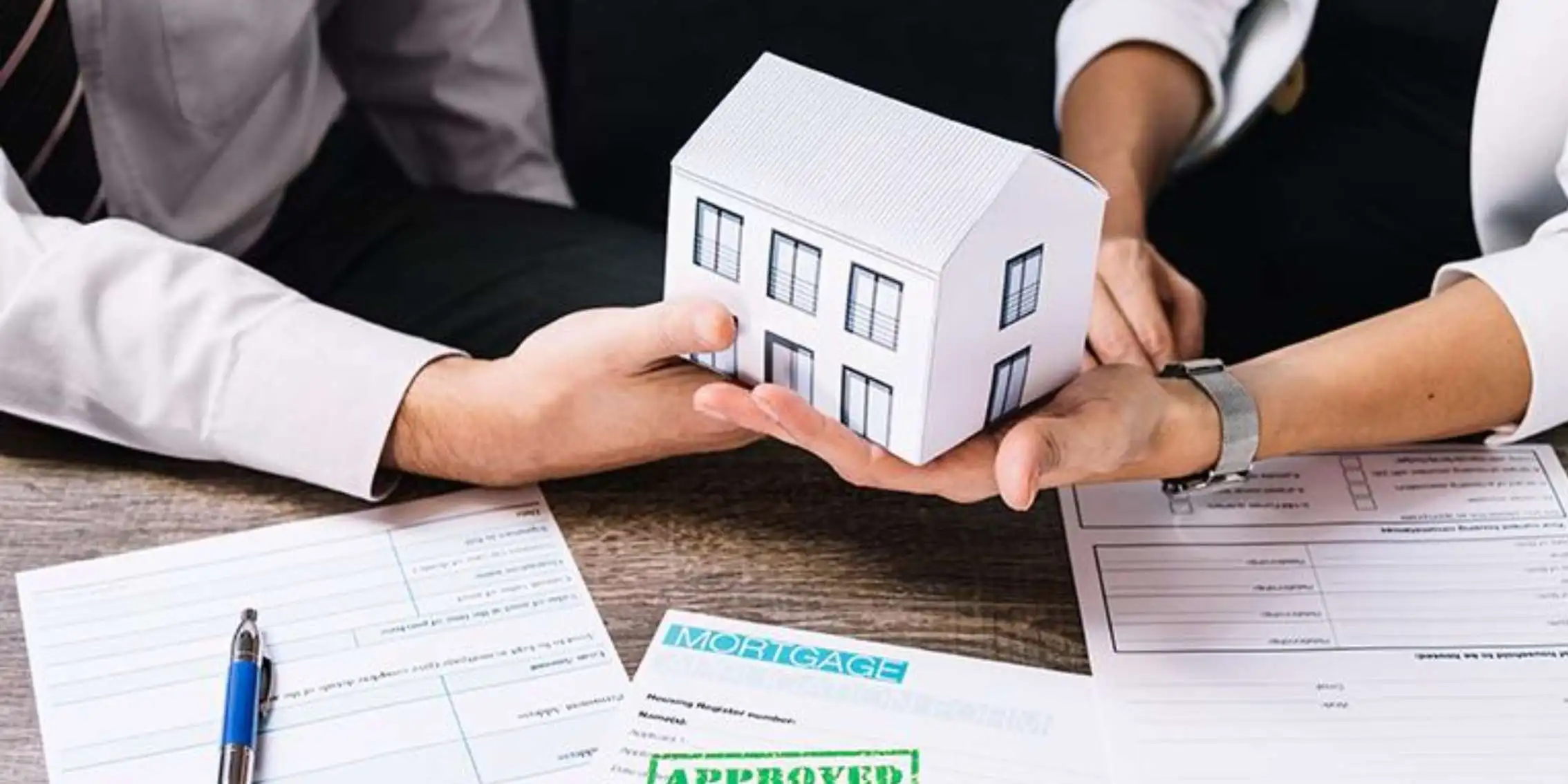
You know that neighbor who bragged about selling their house for way more than you thought possible? There's a reason: most people have no clue what their home is actually worth. Sure, you can peek at online price estimates, but those miss the weird quirks that make your place special (or, sometimes, less awesome than you thought). That's where a comparative market analysisor CMAcomes in. It's like having a cheat sheet for your home's real value, and you don't have to pay a dime to get started.
What Is a Comparative Market Analysis (CMA)?
A comparative market analysis is a report that shows how much similar homes in your neighborhood recently sold for. It takes into account what your place looks like, its size, condition, and location. Real estate agents usually make these for free when you're thinking about selling or buying a house. It's way better than guessing or trusting a random online estimate.
- Looks at homes similar in size and features
- Considers recent sales, not just listed prices
- Adjusts for upgrades, repairs, and location differences
Bottom line? A good CMA helps you price your home rightso you don't leave money on the table or scare off buyers by setting it too high.
Why Should You Care About Property Valuation?
Knowing your home's true value is more than bragging rights. It can shape big parts of your life:
- Want to refinance? Lenders check your property valuation first.
- Need to figure out equity for a loan? You need a real number, not a guess.
- Thinking about selling soon? Setting the right price from day one brings more buyers, faster.
Property valuation matters. If you're using an outdated or wrong number, it could hurt when you're negotiating or planning next steps for your family.
How Does a Free CMA Work?
It starts with a real estate agent or online tool that offers a free CMA. Usually, you share details about your home (bedrooms, bathrooms, upgrades, etc). The agent then pulls data from recent home sales, compares them to yours, and adjusts for things your place has that others don't (or vice versa).
- Fill out a quick form or talk to an agent
- Get a snapshot of similar homes, sold in the last 3-6 months
- See where your home fits intoo high, too low, or just right?
The report usually arrives by email. It's fast, surprisingly detailed, and best of all, doesn't cost you anything. No strings attached.
Can a CMA Predict My Selling Price Exactly?
Nopeand anyone who promises that is lying. A CMA is a guide, not a crystal ball. Sometimes, a bidding war or changing market throws everything off. But a solid CMA puts you miles ahead of people guessing or clinging to an old appraisal from years ago.
- Buyers use CMAs too, so you both see the same sales data
- No more awkward "we'll never pay that!" from shocked sellers
- If your place is unique (lake views, weird layout), the CMA will highlight that
You're making smarter choiceseven if you decide not to sell.
The Biggest Mistakes People Make with Home Values
Most sellers make the same mistakes over and over:
- Basing price on neighbor gossip
- Using old online estimates that aren't customized
- Ignoring recent fixes (or problems)
- Not checking the current real estate market analysis before setting a price
Don't trust your gut alone. With a little effort, you can get the real numberand decide what to do next with confidence.
What Makes a Good CMA Stand Out?
Not all CMAs are equal. A good report:
- Uses 3-5 recently sold homes as comparisons
- Adjusts for upgrades, like a new roof or kitchen
- Honestly lists drawbacks (busy street, small yard, repairs needed)
- Gives a clear suggested price rangenot just one number
If your agent just prints out random sales, push back. You deserve real insight, not a pile of stats.
Getting the Most from Your Free CMA
So you've got the reportnow what?
- Study the suggested price range (don't get hung up on the highest number)
- Check the photos and details for the "comps" (comparison homes)
- Ask your agent to explain any differences you spot
If you disagree with the numbers, share why. Maybe you upgraded the HVAC or finished a basement. A good agent listensand updates the report as needed.
How Often Should You Update Your CMA?
Markets change fast. If six months go by, or your area suddenly gets hot (or cools off), get a new CMA. If you did a major upgrade, check how it affects your home values now. This isn't a one-and-done job; it's smart detective work for your biggest asset.
FAQ: All About Comparative Market Analysis & Home Values
- How accurate is a comparative market analysis?
A CMA is pretty accurate if done by an experienced agent with current sales data. It's not perfect or set in stone, but it's much better than using old appraisals or online guesses. - Can I do my own CMA without an agent?
You can try by searching recent sales in your neighborhood and comparing them to your place. But agents have access to more detailed info, so their reports are usually more on point. - What's the difference between a CMA and an appraisal?
A CMA is an informal estimate meant for people thinking about buying or selling. An appraisal is a formal report done by a licensed pro, and banks use it for loans. CMAs are free; appraisals cost money. - Do I have to pay for a CMA?
Nope. Most real estate agents provide a free CMA hoping you'll hire them later. There's no catch, and you're not locked in to sell your house just because you ask for one. - What happens if the CMA and online estimates are far apart?
Trust the CMA. It's based on real, recent sales and looks at your home closely. Online tools are quick, but they use math models and may miss key details. - How can a CMA help if I'm not selling right now?
It helps you track your property's value over time, decide if it's smart to remodel, or figure out if refinancing makes sense. It pays to know your home's worth before making big money moves.
Knowing your home's real value gives you power, whether you're selling, staying, or just curious. Grab a free CMA, ask questions, and use what you learn. You'll make better movesno surprises, no regrets.