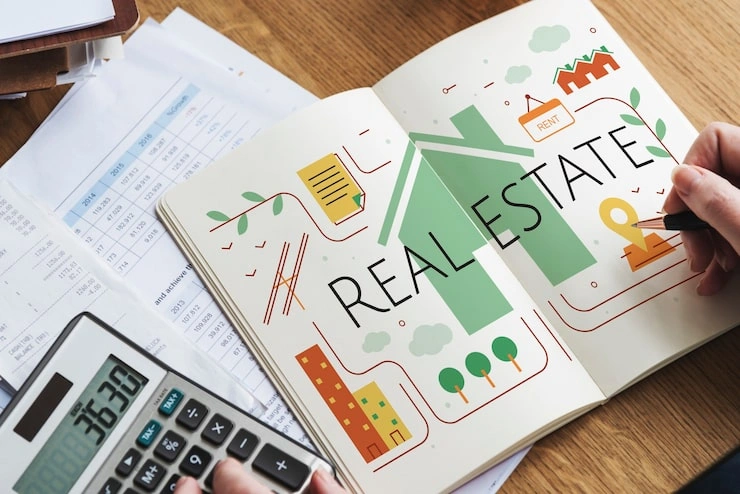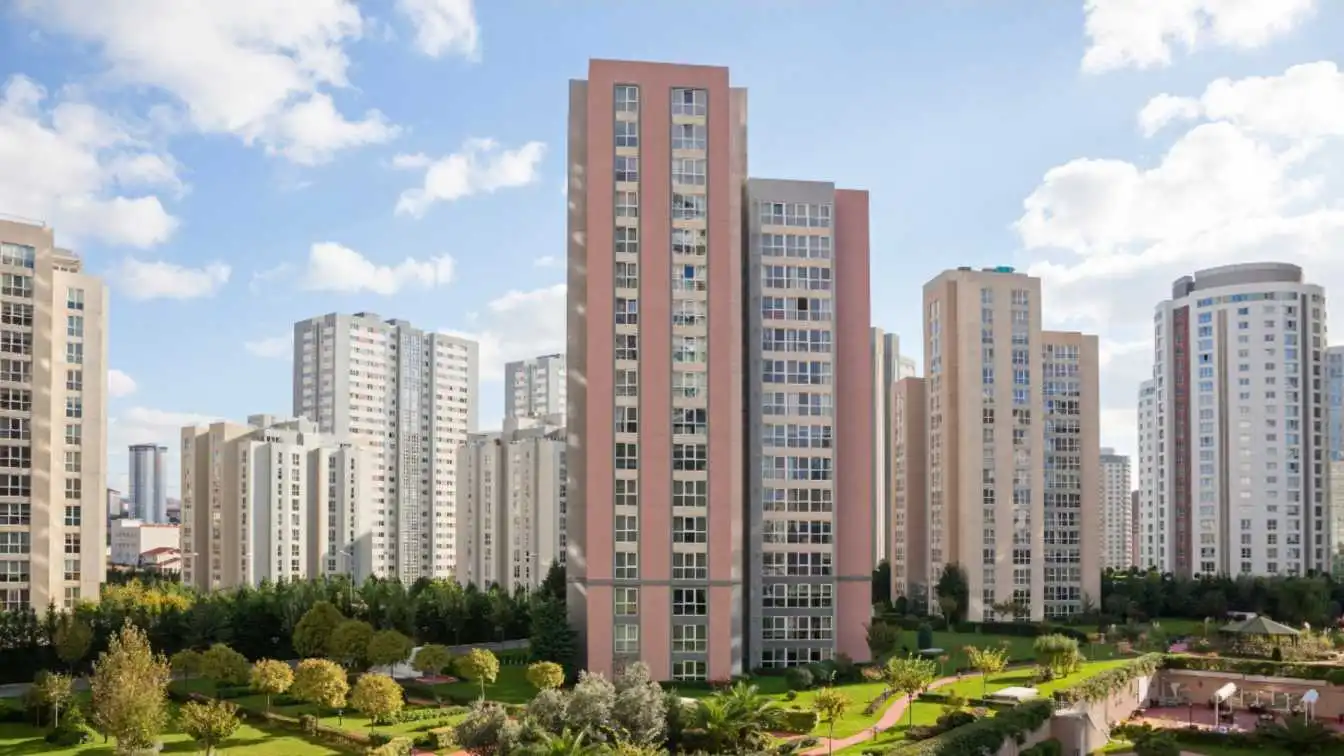
You scroll your phone and see it again: homes in neighborhoods you remember as sleepy and cheap are now going for crazy amounts. Its not just your citypeople everywhere ask the same thing. Why are rising median home prices turning once affordable places into dreams for lottery winners? Theres a bigger story lurking under those numbers, and it matters whether youre buying, selling, or just curious about whats going on.
Why Do Median Home Prices Keep Climbing?
Lets start with the easy part: The median home price is smack-dab in the middle of all home salesmeaning half sold for more, and half for less. When that number keeps jumping, its not just luck or gossip. Heres whats making it happen:
- Slim Pickings: There just arent enough homes for all the buyers out there. This shortage sends prices up.
- Low Interest Rates (Until Recently): For a long time, lower rates meant people could afford bigger mortgages, so prices exploded.
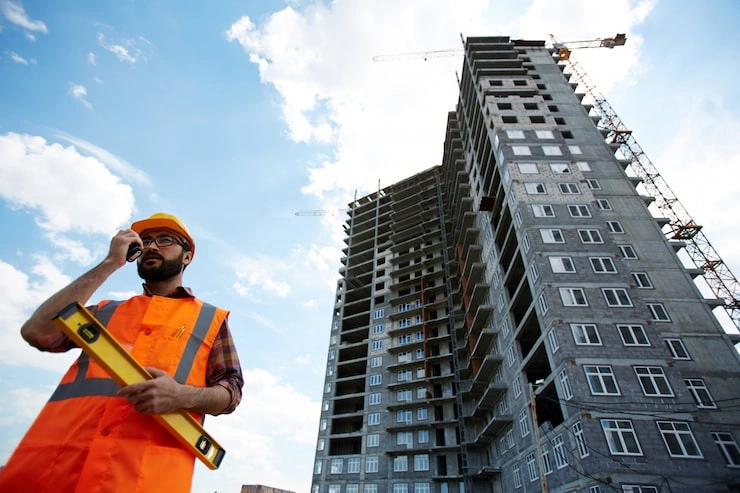
- Construction Doesnt Keep Up: Builders havent put up enough homes for the demand, so competition gets fierce.
- Population Shifts: Big movesthink people heading to the suburbs or smaller townshave changed demand maps all over the place.
Most housing market trends boil down to these same issues. More buyers than houses mean... yup, more expensive houses.
How Do Rising Home Prices Affect Everyday People?
This isnt just math. When prices jump, it hits people right where they liveliterally. Fast-rising median home prices cut out first-time buyers. Renting looks better for a lot of folks, but even rent climbs when homes get pricey. Existing owners feel richer, but taxes and insurance also creep up.
- First-time buyers: Saving for a down payment feels impossible.
- Homeowners: On paper, theyre worth morebut moving up means paying more too.
- Renters: Rising prices eventually pull rents higher, squeezing budgets.
It all adds up to a tougher road to owning (or even renting) the kind of home you want.
Which Factors Affect Home Prices the Most?
Everyone has their theoriesZillow this, Wall Street that. But a few things show up again and again if you dig into factors affecting home prices in any city:
- Supply and Demand: Old-school, but true. More buyers chasing fewer houses always pushes prices up.
- Mortgage Rates: When rates drop, more buyers jump in. When rates shoot up, the market slows (eventually).
- Location: Not every zip code rises at the same pace. Hot schools and easy commutes jack prices faster.
- Local Economy: Good jobs and growing businesses bring new people with money to spend.
- Regulations: Building rules and zoning can make it slow or expensive to add new homes.
If you want to guess where prices go next, these property value drivers are what the pros watch first.
Are Surging Prices Here to Stay?
No one can promise anything (if only). Housing bubbles and crashes have happened before. But most experts say todays home price increases look steadier. Why? Not enough building, long-term demand, and folks who locked in low mortgage rates dont want to move. Therell be ups and downs, but unless millions of new homes pop up overnight, high prices might be the new normal in lots of spots.
What Might Burst the Bubble?
Okay, so is this as bad as 2008? Not quite. Back then, risky loans and borrowing sprees set everything up for a crash. Now, loans are stricter and most buyers have real skin in the game. Could prices drop? Sure. A big jump in mortgage rates, a spike in job losses, or a huge wave of building could all slow things down. But for most cities, the problem isnt too many empty homesits not enough to go around.
How Can Buyers or Sellers Navigate This Market?
- Buyers: Know what you can afford and get pre-qualified before falling in love with a place. Look at different neighborhoodsthat up-and-coming spot could be tomorrows winner.
- Sellers: Dont get greedy. Price your place right, and be ready to negotiate. Even in a hot market, overpricing scares off smart buyers.
- Everyone: Keep your cool. One wild weekend of offers doesnt mean the market will stay on this rocket forever. Plan for the long game, not a quick score.
Whats Next for the Real Estate Market?
Every season brings new housing market trends. Some months, prices pauseespecially if interest rates head up. Other times, supply gets even tighter and you see bidding wars. Watching local job growth, new buildings going up, and shifts in where people want to live are your best clues about whats next. If youre waiting for a big price crash, dont hold your breath but dont panic-buy either. Stay flexible, and keep your eyes on what you can controlyour budget, your options, and your timing.
FAQs About Surging Median Home Prices
- Why are houses so expensive right now?
Homes are pricey because there arent enough for everyone who wants one. More people are trying to buy, but there isnt a lot to pick from. This makes sellers ask for more, and buyers often have to pay. - Will home prices go back down soon?
Its possible, but not likely everywhere. Some cities might see prices flatten or drop a bit if interest rates go up. But with so few homes for sale, most areas wont see big drops unless a lot of people start moving or building changes fast. - What makes median home prices different from average prices?
Median is the middle pricehalf the homes sold for less, half sold for more. Average takes all the prices and divides by the number of homes. Median is better for seeing the real trend, especially if a few super expensive homes are in the mix. - How do interest rates change home prices?
When interest rates are low, buyers can afford more, so prices tend to rise. When rates go up, it costs more to borrow, and fewer people can buy, so prices can cool off or grow slower. - Is it a bad time to buy a house if prices are high?
Not always. If you plan to stay for a while and you can afford the payments comfortably, it can still make sense. If you buy just hoping to flip for quick profit, thats a bigger risk right now. - Can home prices ever fall like they did in 2008?
Its rare, but possibleusually if theres a big recession or major changes in lending. Most experts think strict loans and low supply today make a crash much less likely than back then.
No one has a crystal ball, but understanding whats fueling the price rocket arms you for smarter decisionswhether youre buying, selling, or just along for the ride. Stay curious, ask questions, and dont rush. The house hunt isnt going anywhere.