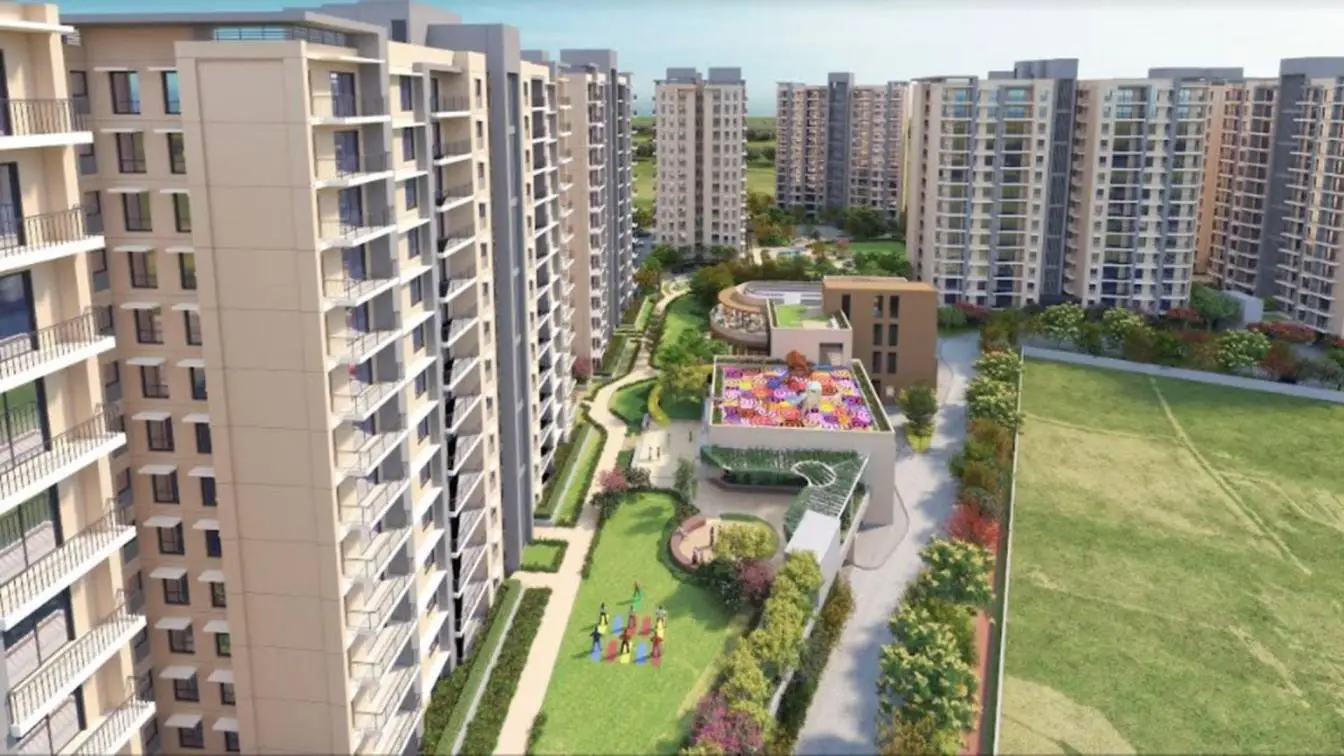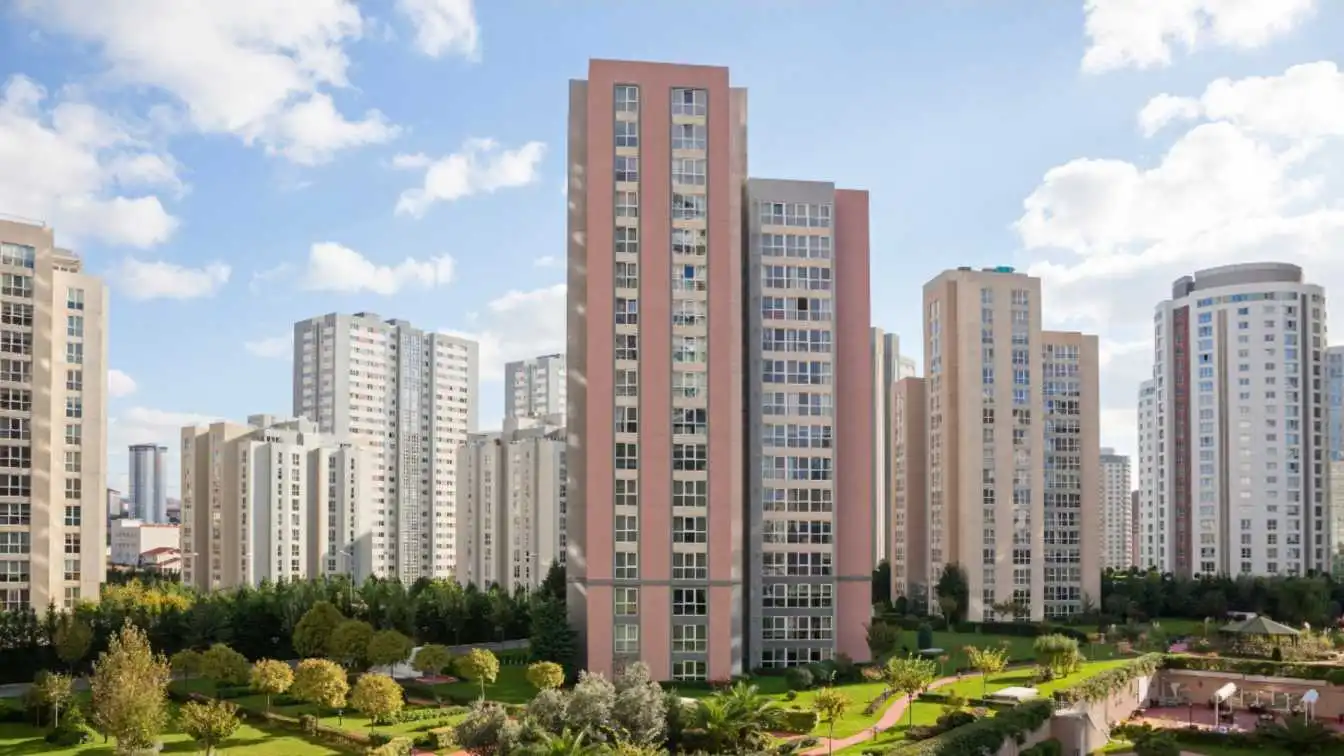
Home doesn't look like it used to. Maybe your parents' dream was a big house in the suburbs. These days, you're eyeing smaller spaces, energy bills that won't wreck your monthly budget, and maybe apps that help control every light and lock. This whole idea of "future housing trends" isn't just some fancy talk for city planners. It's about how you'll livewhere, with what, and at what cost. We're breaking down what matters in housing right now, what's coming next, and how you can actually use these trends to make life better (and hopefully less stressful).
What are the biggest shifts in the housing market?
The housing market keeps moving. A few years ago, everyone wanted more room. Now, people are trading extra space for a better location or lower bills. You see smaller homes, more rentals, even adult kids moving back in with parentssometimes with their own mini-apartment attached. Why does it matter? Because if you keep waiting for things to "go back to normal," you might miss a smart opportunity. The worlds changed: prices, work habits, neighbors you barely see. Here's what pops up the most:
- Smaller homes in city centers
- Multi-family buildings getting upgrades
- Flexible layouts (goodbye, rarely-used dining rooms)
- People staying put longer and remodeling
- Remote work changing where people live
Don't get stuck thinking only big homes are "good investments." Sometimes, the best move is finding a place that packs more usefulness into every square foot.
Which sustainable housing solutions are actually doable?
Living greener sounds greatuntil you look at the price tag or get lost in technical details. But sustainable housing solutions are showing up in ways regular people can use right now. Stuff like:
- Solar panels (cost under control, even rentals join in)
- Insulation upgrades (keeps heat/cool inside, trims bills)
- Low-flow showerheads and toilets
- Community gardens and shared green space
- Recycled or eco-friendly building materials
These aren't just for new construction. Even older buildings get a boost from a few smart updates. I've swapped out my old bulbs for LEDs, and the drop in the power bill was real. Pick one small change this month and see how much easier "sustainable" feels when it fits your actual life.
How is smart home technology changing everyday life?
Smart home technology isn't all fancy voice assistants and complex systems. It's any tech that makes life a little easieror safer. Some examples:
- Doorbell cameras (know who's outside without opening the door)
- Smart thermostats (leave for work, your house chills out, come home, its comfy again)
- Light controls from your phone (or just your voice)
- Leak sensors that text you before the kitchen floods
- Apps that show your energy use in real time
Don't feel pressured to go "full smart home" all at once. I started with a $30 smart plug. Now, I can make coffee from bed (and trust me, that's life-changing on a Monday). Pick tech that solves an actual frustration for you, not just whatever pops up on a list of top gadgets.
What are the best affordable housing innovations?
Everyone hears "affordable housing" and thinks of huge apartment blocks. It's not only that. Builders and designers are doing some creative stuff:
- Modular homes (built in pieces, go up fast, cost less)
- Tiny homes or backyard cottages for extra family or rental
- Mixed-use communities (live, work, and shopno commute)
- Rent-to-own deals or community land trusts (let you build equity slowly)
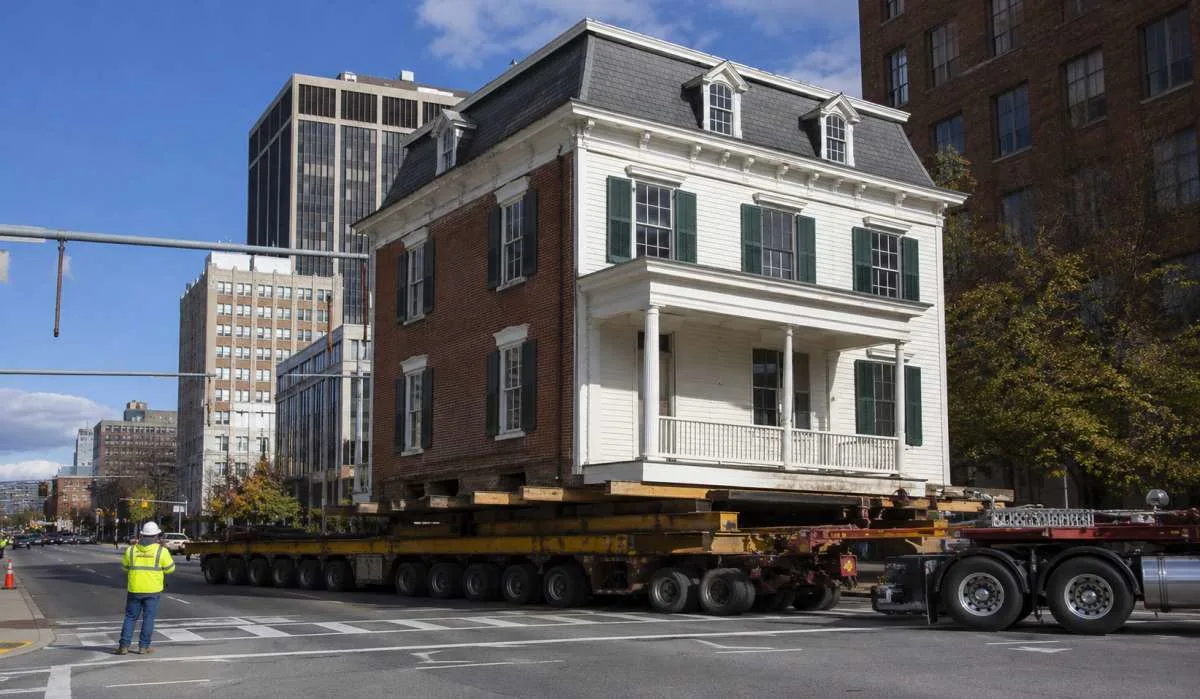
- Converted old buildings: factories, schools, churches turned into cool places to live
The most helpful innovations come when people ask: what would it take to let regular folks afford a home, or stay in one as life changes? The answers not always "get a bigger mortgage." Sometimes its teaming up with others, or going smaller with style. Dont be afraid to look at what feels "weird"the best affordable options often started out that way.
How is urban living changing these days?
Urban living isn't just about cramming into smaller spaces anymore. Cities are rethinking what "neighborhood" means. You're seeing:
- More parks and walkable areas close to homes
- Community workspaces for remote jobs
- Bike paths and car-sharing instead of more parking lots
- Local markets and events that make cities feel like small towns
- Buildings with shared spaces: rooftop gardens, gyms, even libraries
I used to think city living meant giving up on privacy, but now I see more ways to connect with neighbors if you wantor escape to your place when you need alone time. Changes in urban living trends mean you can pick your balance between busy and quiet, close or distant, all inside city life.
What's the downside? Where can people mess this up?
It's tempting to chase every trend, thinking it'll fix every problem. But here are real-world things that can trip you up:
- Over-spending on tech you don't use
- Picking "green" features that are hard to maintain
- Getting stuck with a floor plan that looks great online, but doesn't work for your life
- Living so small that everyone feels crowded and stressed
- Assuming today's popular spots will stay hot (neighborhoods can change fast)
My advice: fix what annoys you daily before running to the next big thing. Test ideas with a small update or a rental before a massive leap. And remember, the best future home is the one that fits your day-to-day life, not someone elses version of "perfect."
How can you make the most of future housing trends?
The best move is to figure out what you really wantmaybe its owning, maybe renting, maybe something in between. Try this:
- Write down what bugs you most about your current place
- List what you never use (goodbye, guest room)
- Think about your energy bills and what youd like to save
- Ask friends how they handle smart home techwhat do they regret buying?
- If youre considering a move, tour a few places that show off new layouts or featuresnot just the ones you planned on
Dont worry about being early or late to the "trend." Focus on solutions that solve your problems and fit your actual life. The perfect home isnt out there waiting; its what you build, slowly, one smart change at a time.
FAQs about Future Housing Trends
- Q: What does "future housing trends" even mean?
A: It means the new ways homes are being built and lived insmaller spaces, smart tech, eco-friendly updates, and more community. It's stuff that actually changes how you pay for your place, live in it, and get along with neighbors. - Q: Are sustainable houses expensive?
A: Some features cost more up front, like solar panels. But many options, like adding insulation or swapping showerheads, pay off fast (and aren't pricey to start). Start small and do what fits your budget. - Q: Is smart home tech hard to set up?
A: Not usually. Many gadgets connect with your phone in minutes. Always check reviews to avoid clunky apps or stuff that doesn't work with your devices. Try one thing before you go all-in. - Q: Can renters take advantage of new housing trends?
A: Definitely. You can buy smart plugs, LED lights, or even portable air filters. Some upgrades (like window films for insulation) come off easily when you move. Even renters can save on bills and comfort. - Q: What if I want to move, but nothing fits my price range?
A: Look at modulr homes, mixed-use buildings, or neighborhoods a bit farther from city centers. Shared spaces or creative layouts can cost less and still give you what you need. Dont be afraid to try something different. - Q: Will these trends last, or is it all hype?
A: Some will fade, but things like better tech, greener homes, and flexible spaces are sticking around. People want comfort, lower costs, and less hasslethose goals arent going anywhere.
Ready for your next move? Start small. Pick one "future-looking" change you can handle (like a smart plug or a weekend insulation project). As your needs shift, add another. You dont need the fanciest house to live betterjust a few smart upgrades and a plan that fits you, not the crowd.