You've probably noticed how houses don't lookor feelthe way they used to. When my friend Jen bought her place five years ago, she worried about square footage and good schools. Today, her neighbors talk about EV charging stations and smart fridges. If you're trying to wrap your head around where things are headed, you're not alone. We're diving into the residential real estate trends that are about to shape the way we all live. You'll get why prices are weird, how tech is changing homes, and what you should watch out for if you're planning your next move.
What's Really Happening with the Future Housing Market?
Let's be honestthe housing market feels like a rollercoaster. Sometimes prices soar for months. Other times, everyone waits for the 'bubble' to pop. So, what's next?
- Smaller spaces: Young buyers care more about location and less about size. Micro-apartments are a thing now.
- Multi-generational living: With costs up, families share homes more than ever. Grandparents, parents, kidsunder one roof.
- Renting is cool again: Not everyone wants to buy. Some just want flexibility or can't afford to jump in.
The lesson? The "average" house barely exists anymore. People want what fits their weird, real lives. That means developers and sellers are reacting fast, creating options that would have sounded nuts a decade ago.
How is Smart Home Technology Changing Everyday Living?
Remember when tech at home meant a TV and maybe a clunky desktop? Now, we've got lights you control from your phone, security cameras that talk, and thermostats that "learn" when you're home.
- Safety first: Video doorbells and smart locks cut down on break-ins.
- Saving energy: Smart thermostats save money, and apps let you turn off stuff you forgot from anywhere.
- Convenience overload: Voice assistants help cook, clean, shopsometimes too much.
Just don't get sold on the fanciest gear if you won't use it. Some people spend a fortune but never set it up right. Smart doesn't mean complicatedpick tech that fits how you live, not what an ad says is "must-have."
Sustainable Housing: Trendy or Truly Necessary?
Sustainable housing isnt just a buzzword. It's homes that use less energy, save water, and don't trash the planet. The shift is realand growing.
- Solar panels everywhere: Theyre cheaper than ever. In many areas, you even get a tax break for installing them.
- Insulation and windows: Swapping to good windows or better insulation can cut bills fast.
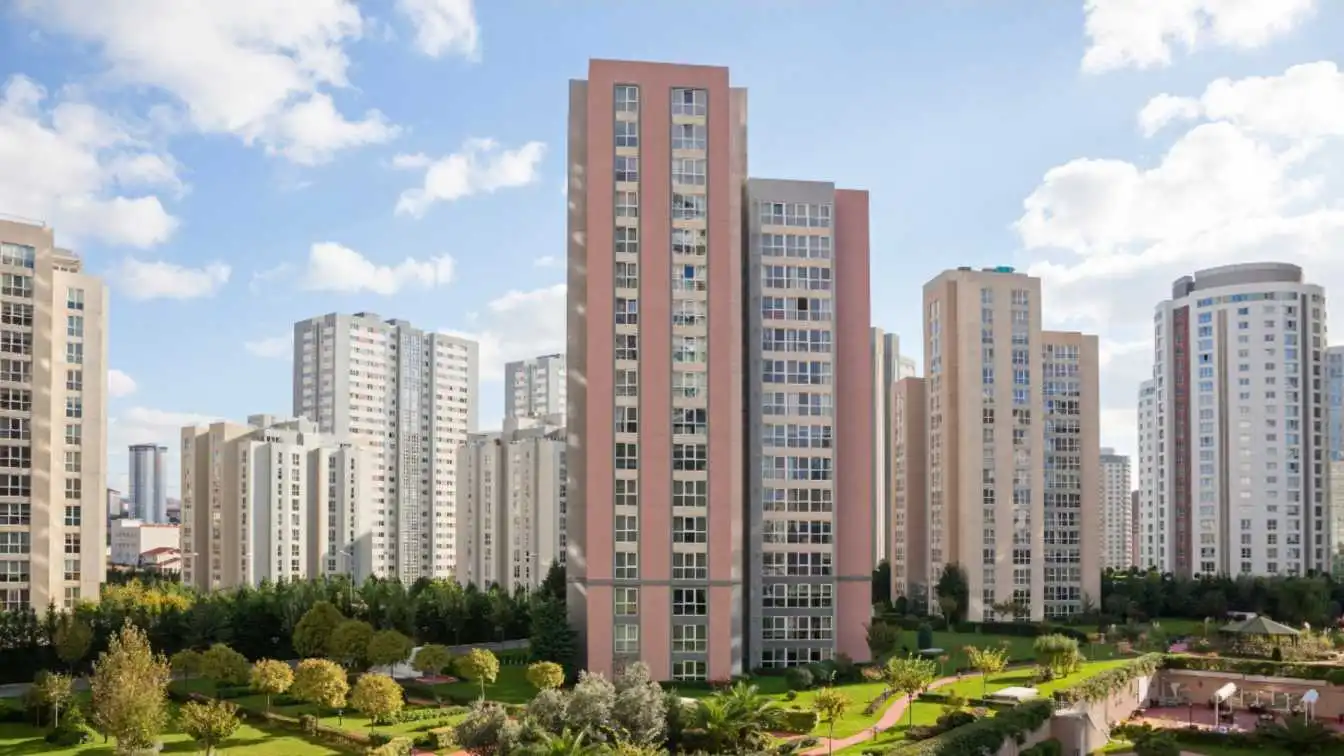
- Green spaces: Many communities now expect community gardens or parks in new developmentsit makes everyone happier.
But don't assume every builder cares. Some slap "eco-friendly" labels on outdated designs. Always ask what makes a home truly greenlook for numbers, not just fancy words. The catch? Some green upgrades cost more upfront. But you usually get the savings back over time.
Urban Living Trends: Whats Changing in the City?
City life keeps shifting. Where people want to live is changing, but so is how city neighborhoods feel and function.
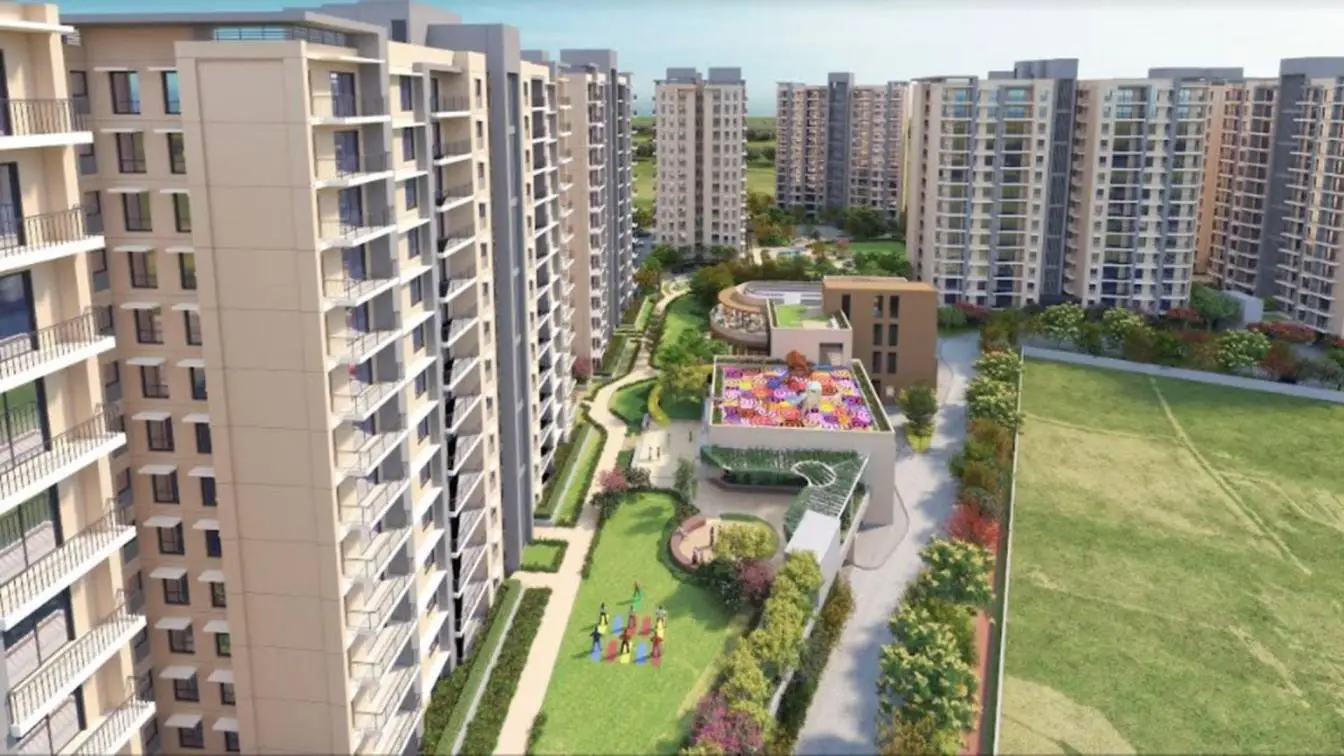
- Mixed-use builds: More buildings combine shops, homes, and offices. You can live upstairs, grab coffee downstairs, and never leave your block.
- Carless options: Walkable neighborhoods and public transit are must-haves for many buyers, especially those under 40.
- Community first: Shared rooftops, courtyards, and co-working spaces are the new normal. People want to know their neighbors.
Some cities are harder to afford than ever. But developers are getting creativethink tiny apartments, shared kitchens, or rent-by-the-room. If city life calls you, you'll have way more choices than your parents did.
Real Estate Development Trends to Watch
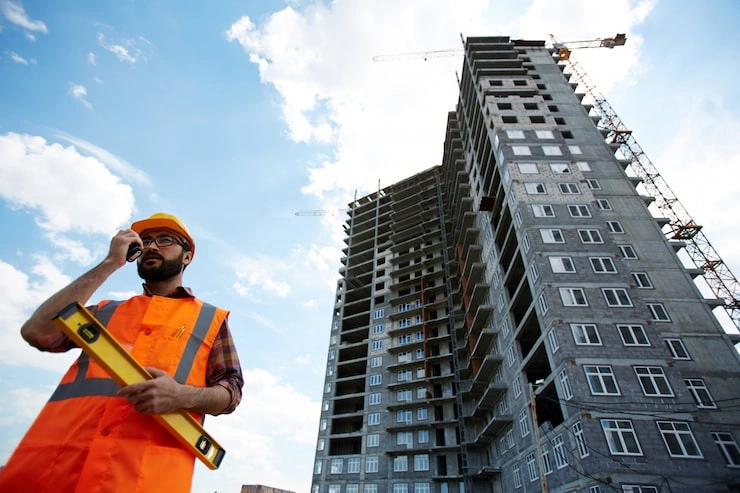
The way homes are designed and built is shifting almost as fast as what buyers want.
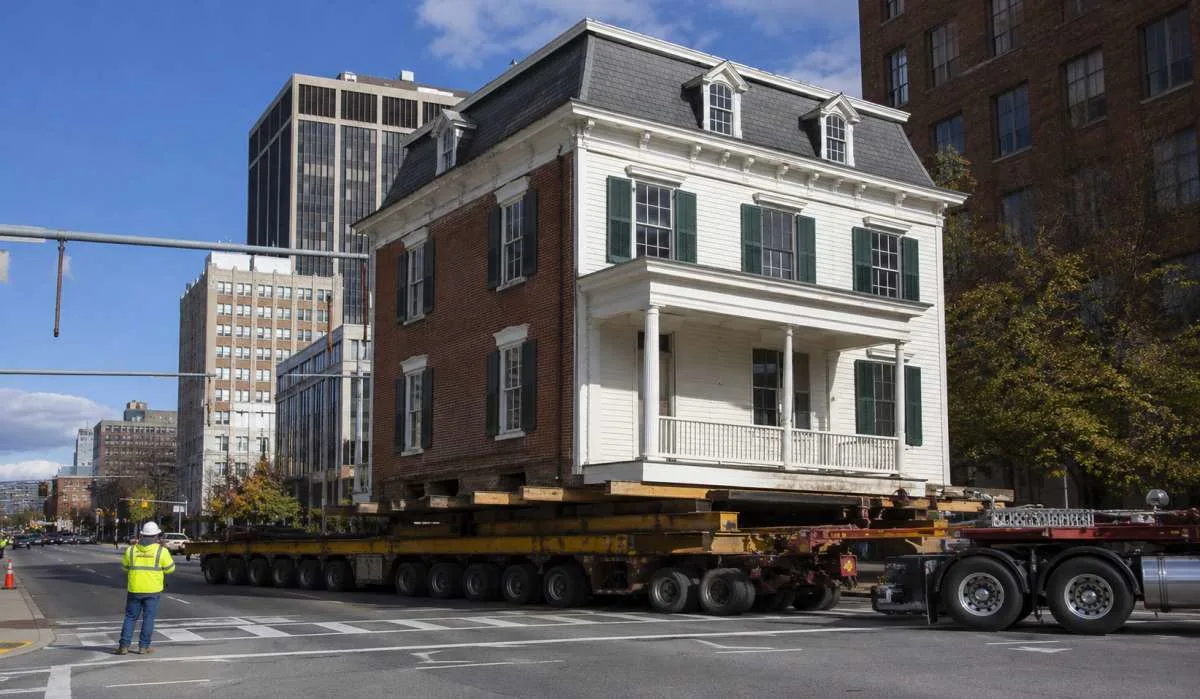
- Prefab and modular homes: Built in factories, set up fast, often cheaper and greener.
- Flexible layouts: Open spaces you can close off or rearrange, so your home fits you (even when your plans change).
- Pet-friendly everything: Developers aren't missing how much people love their petsthink dog parks and built-in pet nooks.
But flash comes with risk. Not every "new" home is built to last. Always check builder reviews and talk to people who live there. Shiny features don't matter if the walls are thin or the place leaks when it rains.
What Could Go Wrong? Common Mistakes When Chasing Trends
It's easy to let the hype suck you in. Here are pitfalls I (or close friends) have seen more than once:
- Paying extra for tech no one useshalf the "smart" homes end up running old-school
- Forgetting resale valuethey buy what's "in" today, but can't sell it tomorrow
- Ignoring local needswhat's trendy in one city may not work where you live
Trends make headlines, but your real needs should lead. If you won't use a rooftop pool or a built-in espresso bar, skip it. Houses last a lot longer than fads.
How Can You Use These Residential Real Estate Trends for Your Next Move?
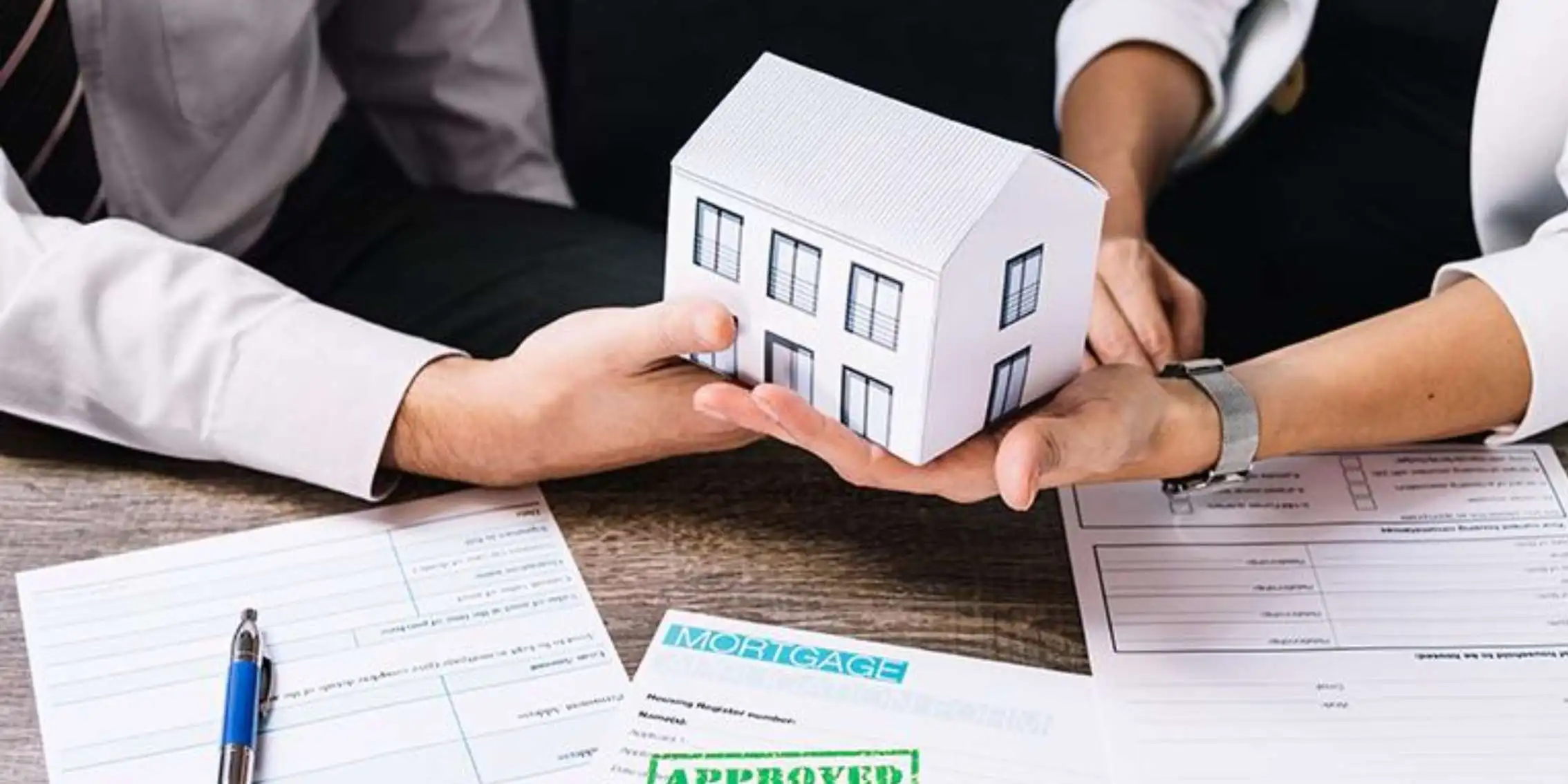
Big decisions, like buying or renting, feel riskyespecially now. Cut through the noise by asking simple questions:
- Will this home still work for you in five years?
- Does the tech in the house actually make your life easieror more complicated?
- Are you paying more for fashion or for real comfort and value?
List your must-haves, your "would be nice" features, and forget the rest. Prices, tech, and styles will change, but your happiness at home is what counts.
FAQs About Residential Real Estate Trends
- What are the current residential real estate trends I should know before buying?
Right now, buyers care about location, energy savings, and flexible spaces. Technology is big, but don't forget about things like neighborhood feel and commute time. Ask yourself what matters most for your daily lifethen check if those trends fit your needs first. - How is smart home technology affecting house prices?
Smart home features can push prices up a bit, especially in popular neighborhoods. But a lot depends on how well the tech works and if buyers in your area even want it. A simple setup done right is better than a ton of gear that confuses everyone. - Is sustainable housing really worth the investment?
Sustainable homes might cost more upfront, but they usually save you money later through lower bills. Some upgrades, like solar panels or better windows, pay off over time. Look past the eco-labels and check how much you'll actually save each year. - Are urban living trends making cities unaffordable?
It's true some city areas are now pricey. But new options like micro-apartments or co-living spaces help balance that. Developers are making more affordable choices, but always check if what you pay matches what you get. - What common mistakes should I avoid with real estate development trends?
Don't chase every hot new trend if it doesn't fit your life. For example, don't pay extra for home automation you won't use or layouts that look cool but aren't comfortable. Talk to real people who live in the development before you decide. - How do I spot a real trend versus a passing fad?
Ask: will this still matter in ten years? Trends with real staying power usually solve real-life problems (like saving energy or making homes safer). Fads just look cool for now but disappear fast.
If you're thinking about a move, stay curious but practical. Trends will change but living comfortably never goes out of style. Ask questions, check reviews, and pick what truly works for you. Your future self will thank you when the choice still makes sense years down the line.