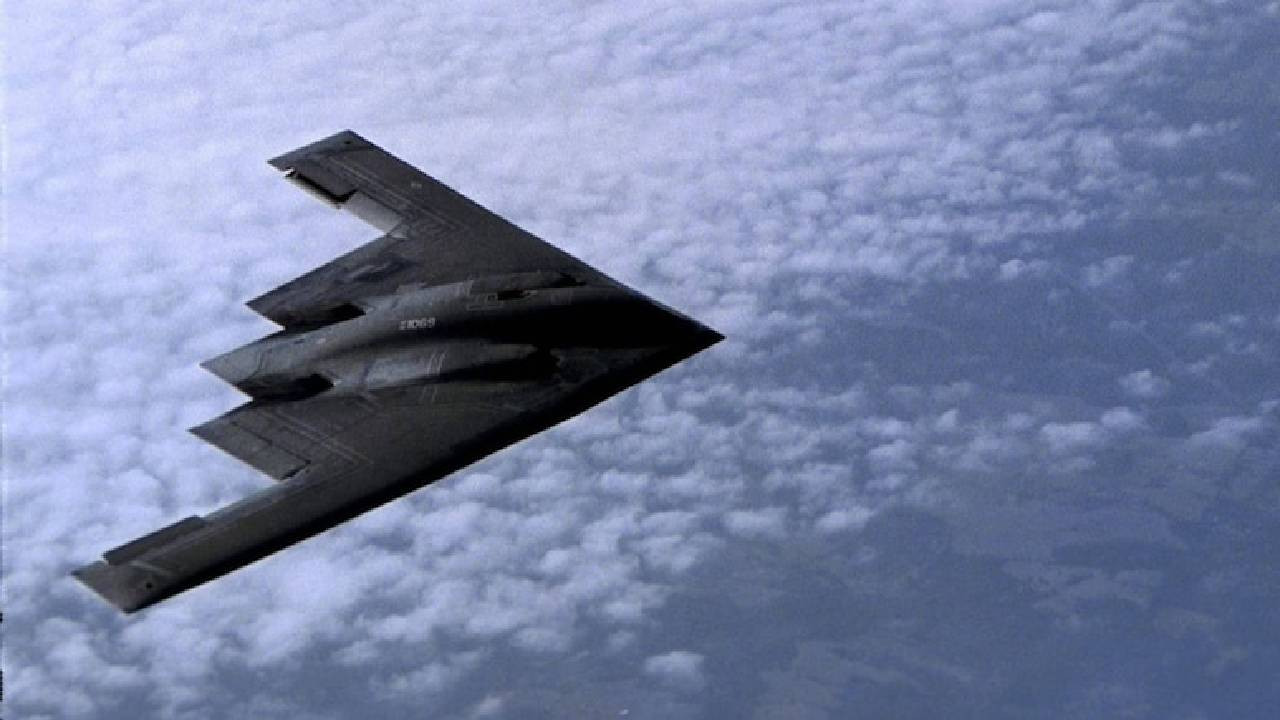
International News: From Missouri’s Whiteman Air Force Base, two B2 “Spirit” bombers flew a marathon mission over Iran. Pilots navigated 11,500km to strike key nuclear sites with bunker-busters. The bombs hit Fordow, Natanz, and Isfahan facilities, penetrating hardened underground structures. Intelligence teams monitored real-time damage assessment. The mission lasted 37 hours nonstop. Analysts view it as a display of U.S. aerial dominance. Regional tension now spikes dramatically.
LongRange Nuclear Strike
The B2 stealth bomber, equipped with GBU57 bunker-buster bombs, took off under total blackout conditions. Pilots reportedly trained intensively for months on digital simulators. The aircraft flew at high altitude to evade radar. Targets included nuclear centrifuge halls buried deep. Analysts emphasize methodical timing to strike multiple sites in single sortie.
75 Weapons Onboard Bombers
Each B2 carried up to 75 precision-guided munitions. These included earth-penetrating GBU57 bombs designed to breach fortified bunkers. The operation prioritized maximum destruction with minimum collateral damage. U.S. military describes the arsenal as “surgically accurate.” Satellite imagery later confirmed cratered underground chambers. Restoration of Iran’s nuclear line likely will take years.
Pilots Face Dire Timeline
Fourteen aircrew members faced grueling flight conditions over their 37hour journey. Sleep cycles were managed via micro-rest breaks and onboard systems. In-flight refueling happened twice during the mission. Commanders highlight the endurance required for such missions. Pilots reportedly described surreal views—sunrise and sunset multiple times. This mission tests both men and machine.
Midnight Hammer Unveiled
The U.S. has named the strike “Operation Midnight Hammer.” Officials say it targeted Iran’s clandestine nuclear development. The operation was planned under current U.S. presidential directives. The White House emphasizes that no other country could have executed this stealth mission. Now, Washington is urging diplomatic channels while reinforcing deterrence.
Strategic Ramifications Loom
Experts warn of possible Iranian retaliation via proxy forces or cyberattacks. Regional allies in the Gulf are bolstering defenses. Global energy markets reacted to heightened volatility. Meanwhile, diplomats in Europe and Asia push for de-escalation. Analysts debate if U.S. displayed enough restraint or risked wider conflict.
Political Messaging Involved
U.S. leaders aim to show both strength and responsibility. President emphasized precision targeting and minimal civilian risk. Opposition voices question long-term strategy and call for stricter legislative oversight. Meanwhile, Iran responded with defiant rhetoric, warning of consequences. Public opinion now polarizing around themes of security vs. war fatigue.
Nuclear Shield Broken?
Iran’s nuclear infrastructure took undeniable damage, but total denial remains uncertain. Intelligence agencies pace long-term assessments to measure real impact. U.S. planners signal this operation sets new threshold—beyond which nuclear ambitions can be detained. The world watches the next moves: Tehran’s retaliation, Washington’s counter-measures, and the fragile stability in between.