


From the moment we set foot in Tokyo, even before we set foot in Tokyo, we became aware of the presence of the most powerful and deadliest typhoon to hit Japan in a decade, in the background, trying to spoil our plans. We dodged it by speed train from Tokyo to Kanazawa but we could not dodge her on the day when we were going to take the train from Kanazawa to Kyoto. Japan monitors the safety of these high-speed lines so the Shinkansen (bullet train) often cancels runs when bad weather is imminent. We opted to take a bus and it was a good call from the Japan Headquarters, Overseas Adventure Travel. Shan-Shan's concerns died with the wind at our back. I fell under the spell of Kyoto, the old capital of Japan before the government moved to Tokyo. Kyoto is like a New York Cheesecake. You take the first bite-taste the lusciousness, the tenderness, the sensation of the cheese melting on your tongue-to relax the nervous system. Then you just have to finish the slice. That was Kyoto.
Arashi Yama Sagano Bamboo Forest
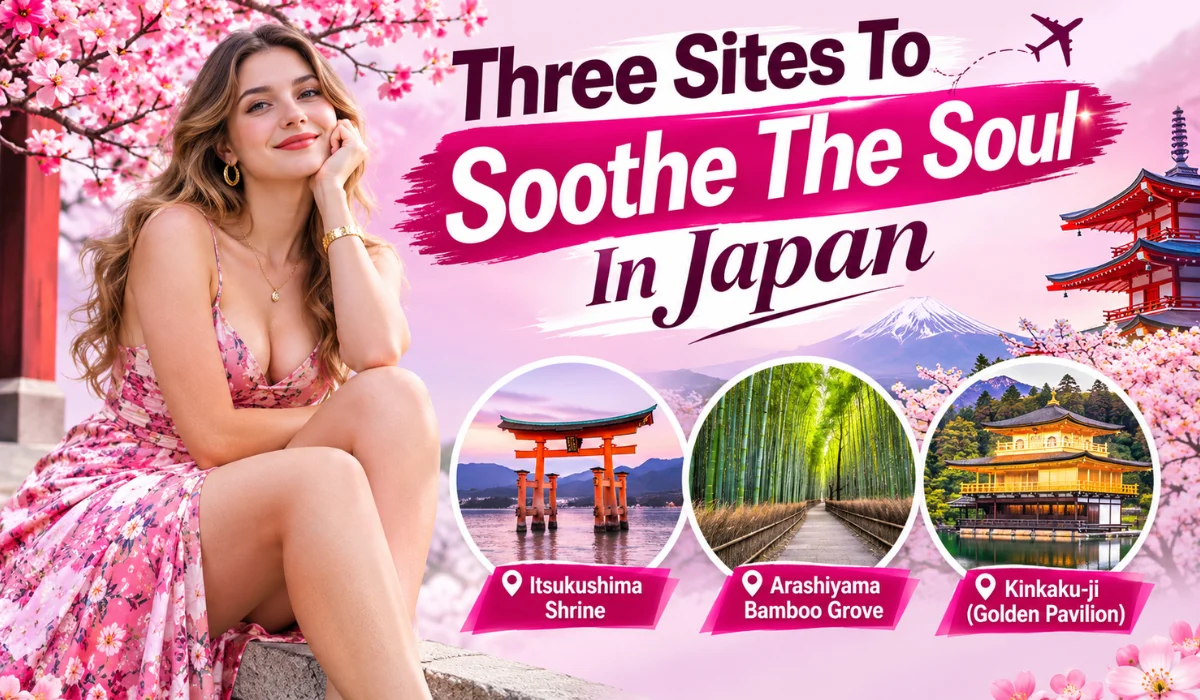
Out on the western edge of the city, the Arashiyama district is full of surprises. Since the 8th Century, the nobility, residents, and tourists alike have come to admire the natural surroundings. Perhaps, the Sagano Bamboo Forest is the most photographed site in all of Kyoto. Just a walk along the one-lane path through these woods works its magic, where enormous forest-bending stalks of bamboo ever sizzle and rustle in the wind overhead and the sun streams in. Of course, with popularity also comes the crowds, so for the full, magical solitude of the woods, get there before the first light. It's worth getting up early for the peace and quiet.
Tenryu-ji Temple Gardens and Kinkakuji Temple
Just off the Bamboo Forest gate, the beautiful gardens of the Tenryu-ji Temple, with water, rock, and plants against the far range of Arashiyama Mountains, provide a place to sit and wonder at the beauty and history. The most significant Zen Temple in this district, created in 1339, however, attracts scores of visitors to take the tune from the Japanese Garden due to most of the structures being burned down by fire. Nearby, another spot on the World Cultural Heritage list, the Golden Pavilion or Zen Kinkakuji Temple from the 14th Century, remains the most visited place in Kyoto. The temple builders covered it entirely in gold leaf, including the floors, walls, and ceilings in its three brilliantly golden levels.
Zen Meditation at Senko-ji Temple
For me, the most comfortgiving experience all across Japan came as we explored the 'undiscovered', Senko-ji Zen Temple in the Arashiyama Mountains. We reached it by a grueling half-hour hike from the Hozugawa River Bridge, up the hill along the winding stone path, through the deciduous woods to the summit where the Temple sits. Its relative inaccessibility may explain the refreshing lack of tourists. In the 1600s, the Shogun decided to deepen the river to improve the water trade route to Kyoto. This Temple, which builders constructed in 1614 to placate the spirits of those who died widening the river, has an observation terrace further out over the mountainside on stilts and is known as 'the best view in Kyoto'.
A Zen Retreat with Monk Obayashi-San
Monk Obayashi-San has cared for and maintained this site alone for many years, with one or two assisting monks. Large, comfortable couches flank the small Zen Buddha altar in the gathering room. Monk Obayashi-San prepared us green tea and a sweet morsel to enjoy after our Zen meditation practice. He said a few words about the advantages of Zen meditation, and in his quiet, relaxed voice, I exhaled a bit of my inner stress and inhaled a strange sort of relaxation with every breath. The wind tugged the trees, and a mountain bird intermittently chirped—a gift.
Gardens, Zen spaces and the quieter side of Kyoto
Its gardens offer more delicate and contemplative experiences than the grand sights of Kyoto. They seem less busy and more understated. If you're trying to balance your itinerary, include at least one zen garden or temple complex where quiet, texture, and space matter more than fireworks.
The Philosopher’s Path and scenic walks
The Philosopher's Path offers one of the best walks in Kyoto. This walk along a canal connects areas of temples in the eastern part of the city and takes a more laid back local pace. It is stunning during cherry blossom time, but remains lovely most of the year. This walk leaves a memorable impression not just for the route but the non-route—the side temples, old houses, quiet corners and the feeling that Kyoto waits to be explored by anyone willing to go the slow road. It serves perfectly as a half-day round, ideally combined with Nanzen-ji or Ginkaku-ji. Nothing beats the excitement of discovering a small café post-hike and "stumbling" into the place after a nature walk.
FAQ's
1. What are the three featured sites?
The three sites typically highlight serene destinations like the Arashiyama Bamboo Grove in Kyoto, the sacred mountain monastery town of Koyasan, and the spiritual trails of the Kumano Kodo.
2. When is the best time to visit for peace and quiet?
Late autumn (November) and early spring (March to April) offer gorgeous scenery, though visiting early in the morning helps avoid peak tourist crowds.
3. Can visitors stay overnight at these locations?
Yes, particularly in Koyasan, where travelers can experience a traditional temple stay (shukub) featuring vegetarian monk cuisine (shjin-ryri).
4. Are these sites beginner-friendly for foreign travelers?
Most of these locations provide English signages, maps, and accessible walking paths, though guided tours or digital translation apps are helpful for deeper context.
5. What should visitors wear or bring?
Comfortable walking shoes are essential for forest trails and stone temple steps, along with modest clothing that covers shoulders and knees for sacred spaces.