What Makes a Good Vegetable Garden Layout?
- Plan walkways wide enough for you and your tools
- Group plants with similar needs together
- Put tall stuff (like corn or tomatoes) at the north/back side so they don't shade short plants
- Leave space between rows so you aren't breaking leaves trying to get through
How to Use Free Garden Layout Tools (Even If You're Not Techy)
- Measure your gardening space first
- Pick a layout tool you like (digital or on paper)
- Start by placing your biggest crops, then fill in with smaller plants
- Play around with different shapesblocks, rows, or raised beds
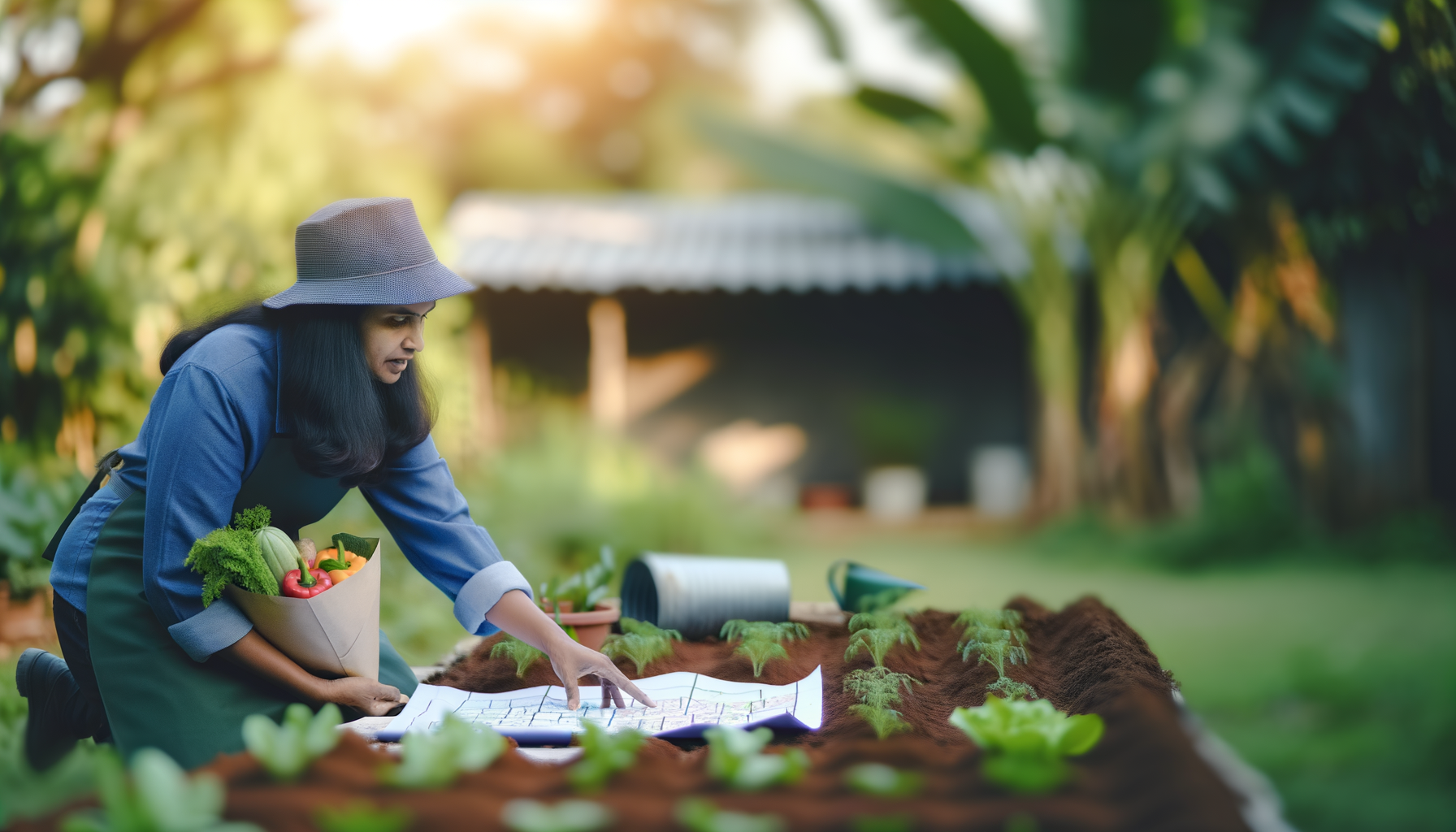
If digital tools drive you nuts, print a blank grid, sketch your beds, and scribble in carrot and lettuce rows. The trick is seeing the whole picture before you dig.
How Big Should Backyard Vegetable Garden Plans Be?
If you've got backyard space, its tempting to turn the whole thing into a farm. Dont. Start smaller than you thinklike a 4x8 or 10x10 areaso you learn what works without getting overwhelmed.
- First-timers: start with one or two raised beds
- Use handy layouts like four squares, rows, or U-shapes for easy reach
- Leave spots for paths, water hoses, compost or a spot to rest
Too big and weeds take over. Too small and you get two salads. Dial in the size you can keep up with, not just what looks cute on Pinterest.
Whats Special About Raised Bed Garden Layouts?
Raised beds arent just trendy. They help when your yard soil is lousy or full of roots. Beds that are 4 feet wide make it easy to reach the middle without stepping on plants.
- Fill beds with good soil and compost
- Use boards, bricks, or even old cinderblocks for sides
- Vary bed sizes if you have an oddly-shaped space
The best part? Raised bed garden layout keeps weeding and watering manageable, the soil warms up faster in spring, and you get more veggies in less space. I swapped to raised beds last year, and my tomatoes went from weak to wild.
How to Match Plants Using a Planting Guide
A planting guide helps you figure out which veggies grow best side by side, and when to put them in the ground. You can print one from any garden site or use seed packets as quick cheats.
- Cool-season crops: spinach, lettuce, peas (early spring and fall)
- Warm-season crops: tomatoes, peppers, beans (after frost)
- Dont crowd fast growers next to slow ones
- Watch out for bulliessome plants (like zucchini) hog space
The first year I grew peas, I stuck them next to beans and both got choked out. Now I check my planting guide and keep things with similar needs together. Lifes easier, and my salads are too.
Most Popular Vegetable Garden Design Ideas
- Row layouts: Traditional, easy with lots of space
- Square foot gardening: Tight, super organized, perfect for small yards
- Companion planting beds: Matching veggies and herbs that help each other
- Perimeter paths: Beds in the middle, walking roads around the edges
No idea fits everyone. Test one for a season, switch it up if you hate it. It's all about what saves your back and time, and gives you the best harvest.
Common Mistakes with Free Garden Layouts (And How to Avoid Them)
- Forgetting to leave pathsmakes every harvest a wrestling match with vines
- Not tracking sun patternsplanting sun-lovers in the shade is a let-down
- Ignoring reachbeds too wide are a pain to weed and harvest
- Not rotating cropsplanting the same thing in the same spot every year leads to sad veggies
Your first try might look messy. Thats fine. Snap a picture each season and tweak your layout as you go. Gardens are always a work in progress.
What to Do Next: Start Your Free Layout Plan
- Sketch your space (use paper or pick a free garden planner)
- List what you want to grow (be honestwill you actually eat beets?)
- Pick a design: rows, squares, raised beds, or something else
- Check a planting guide and sort out plant buddies and foes
- Plot your walkways so you can reach everything easily
- Start small so you dont feel buried by weeds halfway through summer
Lay it all out now, and future you will be grateful come harvest. Your veggies (and your knees) will thank you too.
FAQs About Vegetable Garden Layout Plans
- Q: How do I make a free garden layout?
A: Use free online tools or a piece of graph paper and a pencil. Measure your space first, then mark out where you want paths and beds. Arrange your veggies based on size and sun needs. You dont have to be fancy, just organized. - Q: Whats the best layout for a small backyard garden?
A: Square foot gardening is great for small spaces. It breaks your bed into 12-inch squares so you know exactly where each plant goes. It lets you grow more in less space and makes caring for each veggie super straightforward. - Q: Can I reuse my garden layout every year?
A: You can reuse the basic layout, but switch up which crops go in each spot to avoid pests and tired soil. Rotate crops every year so diseases dont build up and veggies keep producing well. - Q: How do I plan a raised bed garden layout?
A: Decide how big and tall you want your beds. Keep each bed 4 feet wide so you can reach the middle without stepping in. Place them in rows with paths between beds. Fill with good soil and compost, then plant using a grid, rows, or by grouping similar crops together. - Q: Is companion planting important in garden design?
A: Yes, companion planting can help boost growth and protect plants from pests. Just pair up veggies, herbs, or flowers that help each other. For example, plant basil near tomatoes, or carrots near onions. A planting guide makes sorting this out easy. - Q: How soon can I start laying out my vegetable garden?
A: Start planning in late winter or early spring, even before you can dig. That way youre ready to plant as soon as the soil warms up. Early planning helps you buy seeds and prep the garden in time for the growing season.