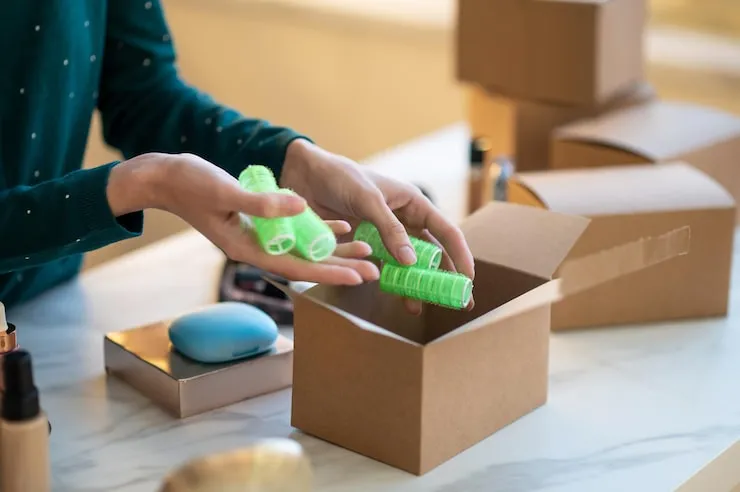
Shipping boxes across the country or around the world is a big part of how we shop today. But have you ever noticed how much extra stuff comes in a package? Bubble wrap, plastic air pillows, foam peanuts, and huge boxes for tiny items. This extra material is called packaging, and there are smarter ways to do it. Using reduced packaging techniques is a powerful solution. It means using less material to keep a product safe on its journey. This guide will explain why this is important and how it's done.
The Big Problem with Too Much Packaging
Before diving into solutions, it’s important to understand the problem. For decades, the goal was to make sure a product arrived perfectly. Often, that meant using a lot of packaging. A small phone charger might arrive in a box ten times its size, filled with plastic. This creates several issues.
First, it creates a huge amount of packaging waste. Most of this material ends up in landfills, where it can sit for hundreds of years. Second, making all that packaging uses a lot of natural resources like water, trees, and oil. Finally, bigger, heavier boxes take up more space in trucks and planes. This means more trips, which burns more fuel and creates more pollution. It's a system that costs everyone more—money and environmental health.
What Are Reduced Packaging Techniques?
So, what exactly does the term mean? Reduced packaging techniques are simply smart design choices. The goal is to use the least amount of material necessary to protect a product during shipping. It’s not about removing protection; it’s about being clever and efficient. Think of it like a puzzle: finding the perfect fit so nothing moves around, instead of filling empty space with disposable filler.
This approach is also called minimalist packaging design, sustainable packaging solutions, or right-sizing. It focuses on source reduction, which means preventing waste before it is even created. It’s the most effective eco-friendly packaging method available.
Reduced Packaging Techniques Guide: Smart Strategies in Action
Let’s explore the main strategies that smart companies are using right now. These are not just ideas; they are real, working techniques.
1. Right-Sized Box Selection: The Perfect Fit
This is the most straightforward technique. Instead of having only a few box sizes, companies use a larger variety. Software can now measure a product and automatically select the smallest possible box it will fit in. This is called right-sized packaging. It eliminates empty space, so there’s no need for as much filler. This cuts material use, lowers shipping weight, and often allows more packages to fit on a single delivery truck.
2. Innovative Protective Materials: Ditching the Plastic
The classic plastic bubble wrap and foam peanuts are major waste offenders. New reduced packaging techniques use amazing alternatives.
-
Corrugated Cardboard Inserts: Custom-cut cardboard holders cradle the product snugly inside the box. No movement, no damage, no plastic.
-
Molded Pulp: This is made from recycled paper or plant fibers. It can be molded into any shape to hold items like electronics or bottles securely. It’s fully recyclable and compostable.
-
Biodegradable Air Pillows: Some companies now use air pillows made from a material that will break down, unlike traditional plastic ones.
-
Paper-Based Void Fill: Crinkled, shredded, or honeycombed paper makes excellent, recyclable filler to stop items from shifting.
3. Redesigning the Product Itself
Sometimes, the best way to reduce packaging is to rethink the product. A famous example is concentrated laundry detergent. By removing water, companies can ship a small bottle or pouch instead of a giant plastic jug. The customer adds water at home. This is a huge win for waste reduction in shipping. Another example is products designed to be stackable or nestable, so they take up less space in their container.
4. The "Ships in Own Container" Model
Why put a box inside another box? Some products are durable enough to ship in their own container. This minimalist packaging design is common for items like toolboxes, decorative tins, or high-quality electronics boxes. A simple, tough shipping label is applied directly to the product's box. This completely eliminates the need for an outer shipping box.
5. Eliminating Unnecessary Components
Take a close look at any package. What’s inside besides the product? There might be extra plastic bags, twist ties, thick paper manuals, or promotional flyers. A key packaging reduction strategy is to question every single component. Can the manual be a simple QR code? Can the product be held in place without a plastic clip? Removing these small items adds up to big savings in material and waste.
The Amazing Benefits of Using Less Packaging
Why should we care about these techniques? The benefits touch everyone.
-
For the Planet: Less waste in landfills. Fewer resources used to make packaging. Lower carbon emissions from transportation because of lighter, smaller packages. It supports a circular economy where materials are used efficiently.
-
For Businesses: They save money on packaging materials. They often save money on shipping costs because packages are lighter and smaller. Customers today prefer eco-conscious brands, so it’s also a powerful marketing tool.
-
For Customers: Nobody likes dealing with a mountain of trash. Receiving a lean, efficient package feels modern and responsible. It’s easier to unpack and recycle.
As one packaging designer noted, "Good design isn't just about how a box looks on a shelf. It's about the entire journey, ending with the customer holding exactly what they wanted, with nothing left over to throw away."
How to Support Reduced Packaging as a Shopper
Your choices make a difference! Here’s how you can encourage these positive changes:
-
Choose Companies with Sustainable Practices: Look for brands that talk about minimal packaging or plastic-free shipping on their websites.
-
Opt for Consolidated Shipping: When ordering online, select the option to have all items shipped together in one box, even if it means waiting a little longer.
-
Give Feedback: If you receive an order with excessive packaging, send a polite note to the company. Tell them you appreciate sustainable packaging solutions. If you get a well-packed, minimal box, thank them for that too!
-
Recycle Correctly: Clean and flatten cardboard boxes, and separate materials according to your local recycling rules. This ensures the materials get a new life.
Frequently Asked Questions (FAQs)
Q: Does reduced packaging mean my item is more likely to arrive damaged?
A: Not at all! The goal is optimized product protection. Techniques like right-sized boxes and molded pulp inserts often hold a product more securely than a giant box full of loose peanuts where items can bounce around.
Q: Are these techniques more expensive for companies?
A: Often, they are less expensive in the long run. While some new materials might cost slightly more upfront, companies save significantly on material volume, shipping weight, and storage space. It’s an investment that usually pays off.
Q: What is the difference between "reduced," "recyclable," and "compostable" packaging?
A: This is a great question!
-
Reduced means using less material from the start. It’s the first and most important step.
-
Recyclable means the material can be processed to be used again.
-
Compostable means it will break down into natural elements in a compost pile.
The very best packages combine all three: they use less material (reduced) that is either recyclable or compostable.
Q: Can these techniques work for fragile items like glass or electronics?
A: Absolutely. In fact, high-end electronics and wines are often pioneers in eco-friendly product packaging. Precision-cut cardboard or molded pulp cradles fragile items perfectly, providing superior protection with minimal material.
The Future of Packaging is Lean and Green
The movement toward reduced packaging techniques is more than a trend; it’s the new standard for smart business and environmental care. It combines common sense with clever innovation. By choosing the right box, the right filler, and the right design, we can move products around the world in a way that saves money, protects our planet, and delivers a better experience to everyone.
The next time you receive a perfectly fitted, minimal-waste package, you’ll know the careful thought and sustainable shipping strategies that went into it. And you can feel good about being part of the solution.