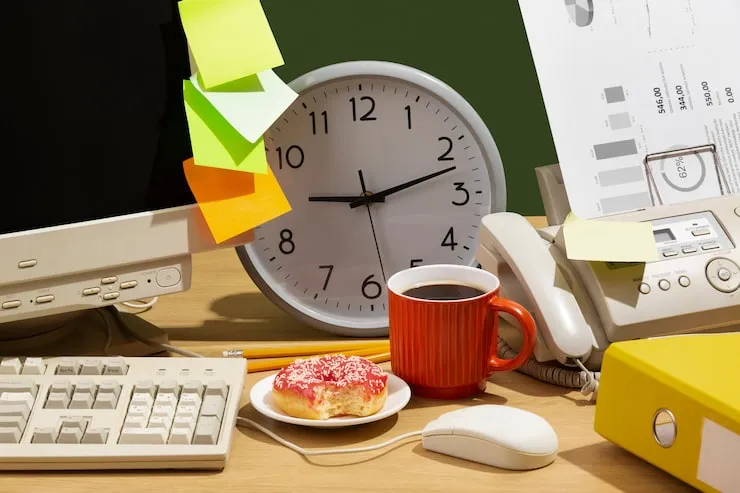
You show up, coffee in hand, and the to-do list is already laughing at you. It feels like there's never enough time in a workday, right? You're not alone. Most people are searching for smart, simple ways to get more done without feeling buried. The good news? There are real, easy-to-use time-saving methods for work that can help you breathe a little easier and maybe finally leave on time.
What Are Time-Saving Methods for Work?
They're shortcuts and habits that help you tackle your tasks in less time, with less stress. This isn't about skipping responsibilities. It's about working smarter instead of just harder.
- Using checklists to avoid missing steps
- Batching tasks to cut down on switching gears all day
- Setting time limits so work doesn't drag forever
Why does this matter? Because every minute you save is a minute you get back. That means less overtime, fewer headaches, and room for the stuff you actually want to do.
How Can You Cut Down on Task Hopping?
If you're bouncing between emails, meetings, chats, and deliverables, you're wasting energy. Multitasking sounds impressive, but it usually makes you slower and more tired. Here's what actually works:
- Pick one task and stick with it for at least 25-30 minutes
- Turn off notifications during focus time
- Use a timer (the Pomodoro technique is a lifesaver)
The first time you really block out distractions, you'll probably get restless or feel like you're missing something. That's normal. But give it a few tries and watch how much faster you finish.
Which Productivity Tips Truly Make a Difference?
A lot of what you hear about productivity is hype, but some tips really do work. Here are the ones I've seen make the biggest impact:
- Start your day with three priorities, not a mile-long list
- Check email on a schedule, not all day long
- Automate repetitive tasks (like using templates or shortcuts)
- Say no to meetings that don't need you
I used to agree to every meeting invite, thinking I was being a "team player." Turns out, nobody minded when I started declining the ones where I wasn't needed. Instant time saver.
What Are the Easiest Workday Routines to Stick To?
Big changes are hard to keep up, but small routines add up fast. Try these:
- Quick tidy-up at the end of each day (so you start clean tomorrow)
- 15-minute morning plan session (set your schedule, not your inbox)
- Short breaks every hour to stay sharp
Little habits can turn a chaotic workday into something predictable and way less stressful.
How Does Time Management Play Into Work Efficiency?
It's the backbone of getting more done. Time management techniques help you control your day so it doesn't control you. It's about:
- Blocking time for important projects before the small stuff sneaks in
- Using calendars, reminders, or apps (whatever actually fits how you work)
- Reviewing the day to tweak your routine and keep improving
Things won't always go as planned, and that's fine. The key is being flexible while sticking to the basics.
Can These Habits Help with Burnout and Overwhelm?
Absolutely. Efficient work habits aren't just about speedthey're about making space for a life outside work. When you cut out unnecessary tasks and focus on what matters, you free up mental energy. That means less anxiety, more creativity, and a better shot at actually enjoying your job.
Common Mistakes: What Could Go Wrong?
- Trying to change everything at oncestart small
- Thinking a new app will solve everything (it won't)
- Filling saved time with more work (protect your free time)
- Ignoring your own work stylewhat works for others might not fit you
No solution is perfect. Be patient with yourself and keep tweaking until things feel right.
FAQ
- What's the first time-saving method I should try at work?
Start with setting your top three tasks for the day. This gets you focused and keeps you from feeling scattered. You'll know what really matters, and it's way easier to say no to distractions. - How do I build efficient work habits without burning out?
Go slow. Change one thing each week instead of everything at once. Over time, those small changes stack up and your whole routine feels lighter without the stress. - Are apps or tools better for time management, or should I use pen and paper?
Whichever one you'll keep using is best. Some folks love planners; others like calendar apps or to-do lists. Try both and stick with what helps you remember and plan ahead. - How do I avoid wasting time in meetings?
Before you say yes to a meeting, ask for an agenda. If you're not needed, skip it or send your thoughts in writing. If you do go, keep your points short and focused. Meetings shouldn't eat your day. - What if my boss doesn't care about saving time?
You can still control your own habits. Show how your new routines help you get more done. Sometimes people notice the results and get on board. Even if they don't, protecting your time is still worth it. - How can I measure if these time-saving methods are working?
At the end of each week, check how much you finished and how stressed you felt. If you notice you're getting more done and feel less pressure, your changes are working. Adjust anything that isn't helping you.
To wrap up, small tweaks to your workday save you real time and make the whole grind feel lighter. Pick one method, give it a shot this week, and enjoy that little bit of breathing room you just created. You'll wonder why you didn't start sooner.