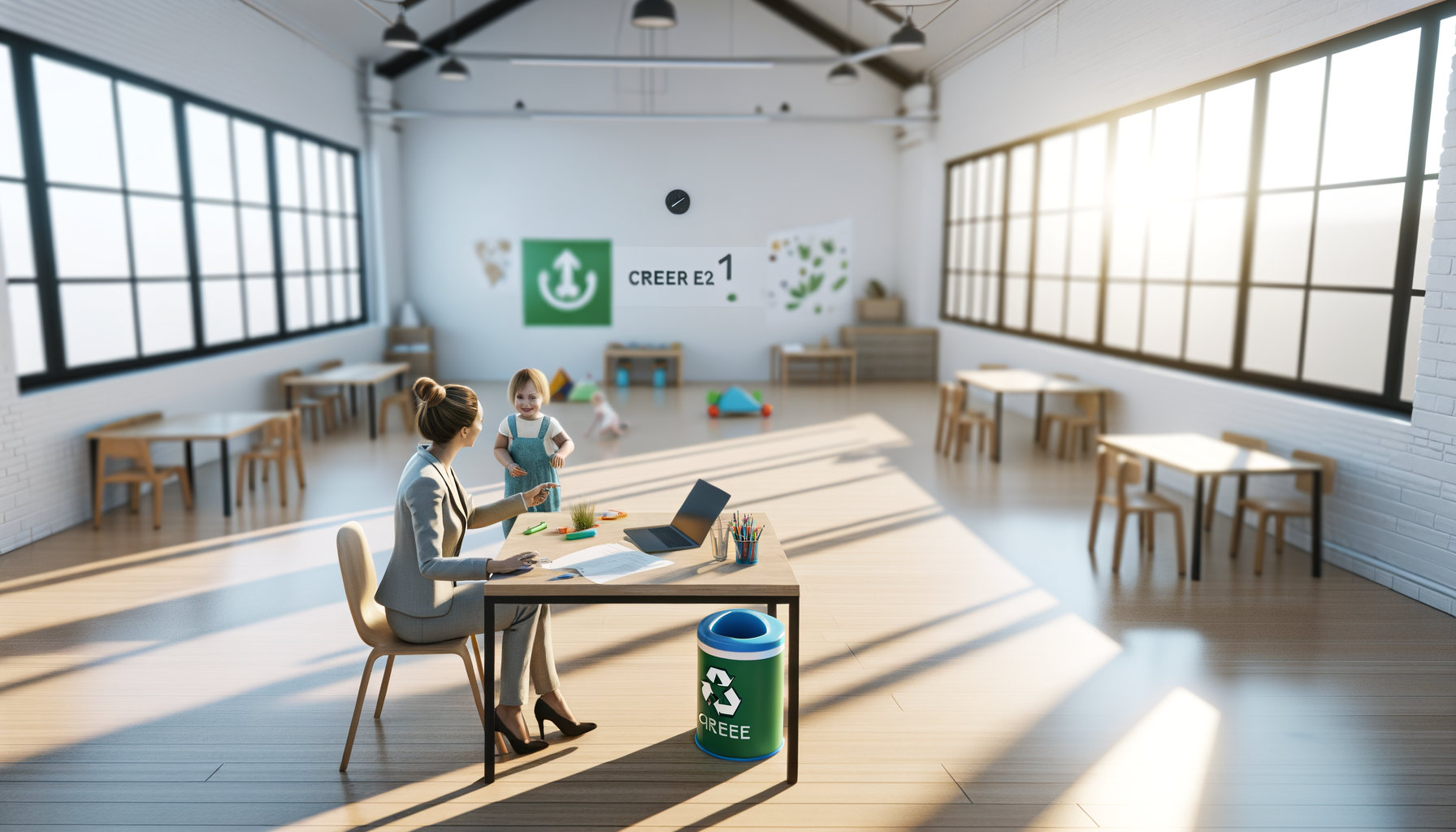
What Exactly Are Sustainable Childcare Policies?
They're rules or guidelines that help childcare centers run in a way that's good for kids, the community, and the earth. But it isn't all compost bins and solar panels. Sustainable childcare goes deeperthink better nutrition, less waste, even smarter playtime. The big goal? Affordable childcare that doesn't cut corners. Instead, these policies put effort where it matters most: healthier spaces, happier kids, and budgets that make sense.
- Reducing single-use plastics
- Prioritizing energy-saving equipment and natural light
- Teaching kids to recycle and respect nature
- Buying supplies in bulk or from local sources to lower costs
- Focusing on long-lasting toys instead of cheap throwaways
How Can Sustainable Childcare Policies Make Care More Affordable?
Short answer: less waste means lower bills. When a daycare isn't tossing disposable plates or cranking up the AC all day, that saves money. They can pass those savings back to you or invest in better stuff for the kids. Plus, sustainable policies often mean group buying powercenters team up to get food or art supplies cheaper.
Here's a quick example: a green center in my city swapped juice boxes for pitchers of filtered water. That one switch cut snack costs by $40 a week for every group. Multiply that by a year, and it's serious cash backmoney that wasn't spent but still made snack time better.
- Lower utility bills (lights off, smarter thermostats)
- Cheaper meals by buying fresh, local, or in bulk
- No late fees for missing suppliesthey're stocked smartly
- Durable gear that outlasts cheap alternatives
So, does cost-saving childcare mean less care? Not at all. You're paying for quality, not waste.
Eco-Friendly Childcare Isn't All or Nothing
Maybe you're picturing fancy solar panels or an organic garden out back. Sure, some places go all-in. But sustainable childcare can be as simple as using daylight instead of harsh bulbs, or repurposing boxes for crafts. Centers don't need a huge budget overhaul to be more eco-friendly. It's about building habits that stickones kids and staff take home, too.
One center started a "bring your own water bottle" day every Friday. Parents loved itless clutter, fewer spills, and no pile of lost cups. Over time, supply costs dropped and bottle labels became a mini art project. Sometimes small steps are the most affordable and fun.
What Can Go Wrong with Green Childcare Practices?
No system is perfect. Here's where things get tricky:
- Some centers talk about green childcare practices but don't really change. Ask questions before you commit.
- Policies can get watered downlike switching to paper plates instead of plastic, but not reusing at all.
- Occasionally, initial setup (like buying compost bins) costs more upfront, but savings usually show over time.
The key? Watch for real outcomesfewer sick days, kids more excited about learning, costs that don't balloon every semester.
How to Spot Real Childcare Policy Benefits
How do you know if a daycare's promises aren't just buzzwords? Look for:
- Transparency on where money goes (ask them!)
- Steady or dropping monthly fees explained by smarter spending
- Kids learningand parents hearingabout recycling, gardening, or nutrition at home
- Staff who seem happy and stick around. Happy teams make better choices for everyone.
Your gut matters. If a place brags about sustainable childcare but you don't see it in action, trust your instincts. Ask for a tour. Great policies should be visible, not just on a brochure.
How Can Parents Help Encourage Sustainable Policies?
You don't need to be an eco-warrior to ask childcare providers smart questions. Try:
- Asking about supplieswhere do they come from?
- Sharing ideas for green swaps
- Offering to join or start a "green committee" for your center
- Bringing in reusable bags or containers for group events
Even one parent voice carries weight. Childcare centers do listenespecially when new families are looking for exactly these benefits.
Real-Life Savings: Stories from Everyday Families
Take Jenna and Sam. They almost quit their daycare when fees bumped up again. Instead, they worked with their provider to try group buying snacks and art supplies. The whole class jumped in. Within six months, everyone saved about $15 a week, and they had healthier snacksreal fruit, not sugary packs. Money back in their pockets, and happier kids too.
Or Mikea single dad who convinced his small center to start a toy swap once a month. No more buying new blocks every time one went missing. The kids loved the "new" toys, and parents stopped spending extra. That's the heart of sustainable parentingdo what you can, when you can.
FAQ: Your Questions About Affordable, Eco-Friendly Childcare
- How can I tell if a childcare center is truly eco-friendly?
Start with what you see. Are there recycling bins, natural light, and reusable supplies? Ask staff to explain their green practices. Real eco-friendly centers don't just talk about being greenthey show it with little choices every day. - Does sustainable childcare cost more?
Usually, it's the opposite. After any setup costs, most sustainable centers spend less on waste and energy. That means lower fees or better quality for what you pay. Ask for a fee breakdown if you're unsure. - What if my center isn't doing much for the environment yet?
You can still help! Bring up ideas like reusable snack containers, toy swaps, or using more natural light. Sometimes centers just need a parent to get the conversation moving. - Are green childcare practices safe for my child?
Yes, and often they're safer. Healthier meals, fewer harsh chemicals, and more outdoor play mean kids get sick less and stay active. If you have concerns, don't be afraid to ask exactly how things work day to day. - Can sustainable childcare help my child learn more?
Definitely. Kids who see recycling or gardening as part of their day pick up great habits early. Plus, hands-on activities often mean they're more excited to learnnot just about the planet, but about sharing, teamwork, and creativity. - What's the easiest first step to encourage sustainability at my current daycare?
Start with one habitlike sending snacks in reusable containers or asking about bulk-buying supplies. Share what works at home. Small changes add up when more families join in.
Sustainable childcare policies aren't just for the planetthey're for your wallet and your kids' future. Start by asking a question at pick-up today. Even one tiny step can mean money saved and a healthier, happier day for everyone involved.