Why Do Circuit Breakers Fail?
Circuit breakers are like tiny security guards in your electrical panel. When something goes wrong, they shut things down fast to keep your house safe from fires and costly damage. So why do they stop working? Sometimes it's old age, a loose wire, or just too much power running through. Knowing the root cause helps you fix the real problem, not only the symptoms. If your lights flicker or an outlet feels warm, don't ignore it. Signs like these mean it's time for some circuit breaker repair.
How Can You Tell Your Breaker Needs Repair?
You don't have to be an electrician to spot trouble. Watch for:
- Breakers that keep tripping
- Burn marks or strange smells near your electrical panel
- Outlets that don't work even after resetting the breaker
- Buzzing or humming noises from the panel
These are not normal. Each might seem small, but together they spell big trouble. Trust your gutif something feels off, it's worth checking out now instead of waiting for a major breakdown.
How to Do Simple Circuit Breaker Troubleshooting
Start with the basics. First, turn everything off in the circuit you're testing. Next, flip the breaker all the way to OFF, then ON again. If it trips instantly, you may have a bigger issue like a short or overload. Isolate what's plugged in. Try unplugging devices and check if the breaker still flips. This simple step solves a lot of head-scratchers. If not, you might be facing a stubborn problem that needs more digging.
Can You Fix a Circuit Breaker Yourself?
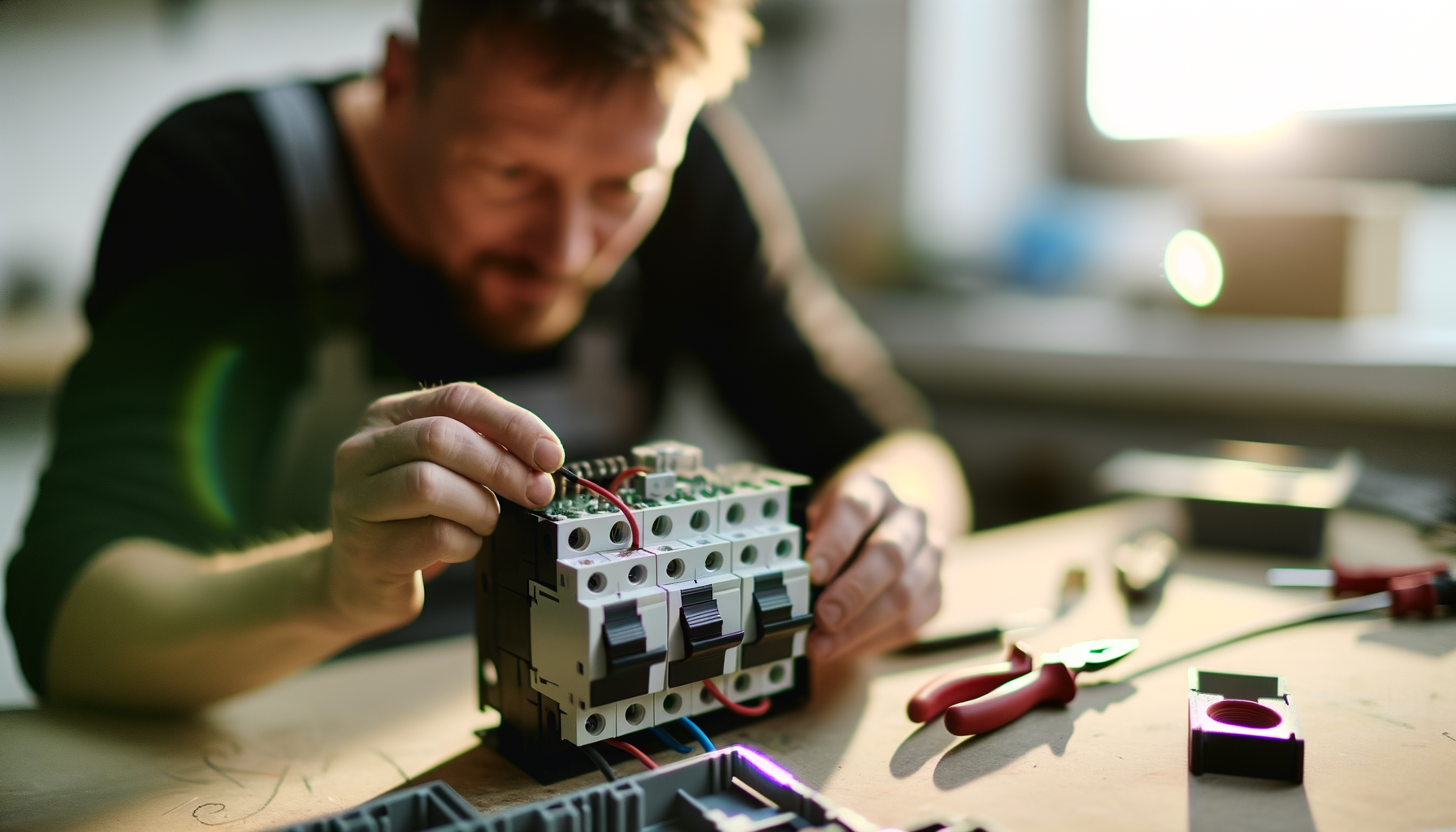
If you know how to fix a circuit breaker, you can save cash and time. Here's where most people go wrong: skipping safety. Always switch off the main breaker before you open the panel. If you see broken parts, burnt marks, or loose connections, you may be able to tighten screws or replace a bad breaker. Don't force anything. If you're ever unsure, call a licensed pro. Electricity isn't the place to wing it for the first time.
Tools You Need for Basic Electrical Panel Repair
- Insulated screwdriver
- Voltage tester (for safety)
- Replacement breakers (right size for your panel)
- Flashlight (because it gets dark once power's off)
These basics handle most jobs safely. If you need to buy something fancy, double-check if you really need to do the job yourself or would be better off with professional help.
Replacing a Circuit Breaker Step-by-Step
- Turn off the main power to the panelsafety first
- Take off the panel cover by unscrewing it
- Double-check there's no voltage where you're working
- Gently pull out the bad breaker by hand
- Unhook the wire from the breaker (remember where it goes)
- Install the new breaker and attach the wire snugly
- Snap the breaker in place and put the panel cover back
- Turn main power back on and test your work
It's not hard, but being careful is a must. Skip the superhero actif you feel nervous or see something weird like melting or sparking, call a pro.
How to Keep Breakers in Top Shape
Circuit breaker maintenance is simple if you do it once or twice a year. Open your panel and look for dust, rust, or loose wires. Tighten anything that's worked loose. Wipe away cobwebs and dirt with a dry cloth. Never use water near the panel. Treat your breakers kindly; they'll protect you for years.
Common Mistakes When Fixing Breakers
- Not turning off the main power (major risk)
- Forgetting to check with a voltage tester
- Using the wrong size or type of breaker
- Skipping regular maintenance (dust builds up fast)
- Overtightening screws and stripping wire connections
These mistakes can cost you money or even your safety. Take your time. Trust me, spending five extra minutes double-checking saves hours of headaches later.
What If Fixing Doesn't Work?
Not every electrical panel repair is a DIY win. If you've replaced the right breaker and it's still tripping, the real problem might be hidden, like a bad wire inside the walls. Sometimes you're dealing with a bigger electrical issue, especially in older homes or after a big storm. That's the moment to bring in an electrician. Throwing more time at the panel won't help and could make things worse (or dangerous).
Shortcuts to Save Money and Stress
- Map your circuits ahead of time (know what breaker runs what rooms)
- Label breakers clearly while your panel's open
- Keep a log of any work you dofuture-you will thank you
- Don't ignore small signs, like flickering or a breaker that's warm
These small steps make troubleshooting way easier and help you avoid big bills down the road.
FAQs
- Q: How do I know if my circuit breaker needs replacing?
A: If your breaker trips for no good reason, won't reset, or looks burned, it's probably time to replace it. Also, a breaker that feels loose or makes weird noises is a red flag. It's best to check sooner so you don't end up with a bigger repair. - Q: Is it safe to fix a tripped breaker myself?
A: Yes, if you follow key safety steps. Always turn off the main power and use a voltage tester before starting. If you're not sure or see anything burnt or melted, it's time to call an expert. - Q: What tools do I need for circuit breaker troubleshooting?
A: You need a flashlight, insulated screwdriver, and a voltage tester. It's smart to have extra breakers on hand in case one needs replacement. Keep things simpleno need for fancy gear. - Q: Why does my breaker keep tripping?
A: Too many devices on one circuit, a broken appliance, or a bad wire can cause it. Try unplugging everything, then adding items one by one. If it keeps tripping, you may need new wiring or a bigger electrical panel. - Q: How often should I do circuit breaker maintenance?
A: Check your breakers once or twice a year for dust, loose wires, or damage. Fast tune-ups help you catch problems before they turn serious. Think of it like changing oil in your carit keeps things running right. - Q: Can I upgrade to a larger breaker to stop tripping?
A: Nonever install a larger breaker than your wiring supports. That creates a fire risk. If you need more power, talk to an electrician about a proper panel upgrade instead of risking your safety.
Regular checks, safe habits, and a little know-how are your best friends when it comes to circuit breaker repair. Start slow, stay safe, and you'll get the job done without drama or extra cost.