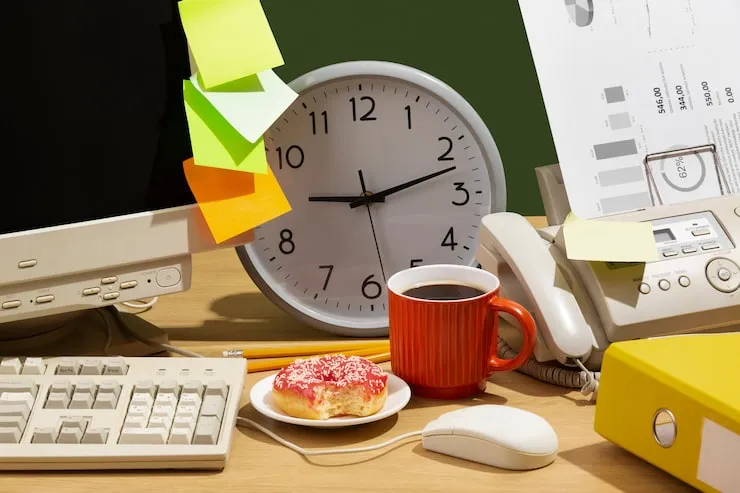
Ever had a workday where everything feels like a mess? You start with good intentions, then after a few emails, a last-minute fire, and a call that runs long, suddenly you have five things half-done and your team is bugging you for answers. If that hits home, youre not aloneand its why solid team task management isnt just nice to have. Its the only way to survive (and maybe not lose your mind).
In the next few minutes, youll get techniques real teams usenot just stuff for pretending everything is perfect. Want to finally keep tasks on track, get more done, and actually work together without wanting to throw your computer? Lets break it down right now.
What Is Team Task Management (and Why Should You Care)?
Its simple: team task management means keeping track of whos doing what, when its due, and making sure nothing falls through the cracks. Think of it like running a relay race. If someone forgets their handoff, the whole thing falls apart.
Why does it matter? Because chaos kills productivity. If no one knows what to work on or whats next, you lose time, miss deadlines, and the blame games begin. Managing tasks right means things actually get finishedon time, every time.
- No last-minute panics
- Clear project organization
- Faster answers when someones stuck
- Way less stress all around
How Do Successful Teams Actually Organize Tasks?
Most teams start with big plans, fancy software, or long email chains. About a week later, they go back to sticky notes and memory. Why? Because complicated tools break down fast. The best teams keep it brutally simple.
- One shared list everyone updates (app or whiteboarddoesnt matter as long as its visible)
- Weekly check-ins, not hour-by-hour micromanaging
- Clear deadlines on every single task
- Short, clear notesno novels
Heres the secret: its not about the tool. Its about picking a method, using it every time, and making sure nobody hides their to-dos. Even a basic spreadsheet can beat expensive apps if everyone is on board.
Whats the Trick to Task Delegation Without Drama?
Handing off work feels simple until it gets awkward. Suddenly, nobody wants the boring parts, or people arent sure what theyre supposed to do. Delegation is an art.
- Match tasks with team strengthsgive creative tasks to the creative folks, numbers to the detail people
- Be super clear"You own this by Friday," not "maybe you could look at it soon"
- Dont vanishcheck in, but dont hover
- Make asking for help the norm, not a weakness
One time, my team wasted a whole week waiting for a file. Each person thought someone else had it. Once we started confirming ownership every Monday, that nonsense stopped cold.
How Do You Track Team Tasks Without Driving Everyone Nuts?
Task tracking shouldnt take longer than the task itself. If updating progress is a chore, no one does itand then your magical system is useless. Heres how to make it stick:
- Pick one place for updatesnever two
- Keep status options short: To Do, Doing, Done
- Quick updatesno essays
- Check-in at the same time each week (Friday before you log off works great)
Think you can skip this? Ask your team where things stand, and count how many say, "Im not sure." If its more than one, you need a tracking system. Trust me.
Team Productivity Hacks That Actually Work
You dont need to work longerjust better. Teams that finish more in less time usually do three simple things:
- Batch workgroup similar tasks so youre not switching gears every five minutes
- Set meeting rulesno update meetings longer than 15 minutes
- Use "quiet hours"times where nobody bothers each other with messages
My group once tried "no meetings till noon Mondays." We got more done in one morning than most weeks. Try it for a monthyoull never go back.
Common Pitfalls (and How to Dodge Them)
- Trying to do it all yourselfleads to burnout fast
- Ignoring deadlinesone missed date and trust drops
- Changing tools all the timenobody keeps up
- Letting small things slidetiny details pile up and get ugly
The takeaway? Dont chase "perfect". Go for consistent, honest, and clear. Thats what gets results.
How to Keep Teamwork Efficiency High All Year Long
Staying organized is one thing. Keeping that momentum is the real challenge, especially when projects get tough or people get tired. Heres what helps:
- Celebrate small winsrecognize progress, not just big launches
- Check in as a teamshare whats working and whats pain
- Review tasks every monthnot just when theres chaos
Remember, teams arent machines. People get sick, projects shift, things go sideways. A bit of grace goes a long way in sticking together and bouncing back fast.
FAQs About Team Task Management
- How do I pick the right task management tool for my team?
Start with what your team will actually use. Fancy features are pointless if nobody logs in. Look for something easy, clear, and free to test. Most teams switch tools a few times, so dont stress about a perfect choice right away. - How can I make sure everyone updates their tasks?
Set a regular time (like every Friday), remind people until its a habit, and keep updates quick. Celebrating people who stay on track helps, too. If updates are a pain, change the system. - Whats the best way to handle overdue tasks?
Talk to the person soondont let it fester. Ask what went wrong, help fix blockers, and reset the deadline together. Overdue is only a problem if nobody owns up or nobody cares. - Can small teams skip task management systems?
Even two people can lose track if things arent written down. Small teams need something simple, like a shared note or board. Its not about size, its about keeping everyone in sync. - How do I deal with team members who hate organization?
Keep things short, visual, and tied to their actual work. Some people only care about their tasks, so show them the system helps them (not just the boss). If it saves them time or headaches, theyll get on board. - Are meetings better than written updates for team tasks?
Meetings help for discussions, but written updates keep everyone honest and save time. Use meetings to talk through blocks, not to read lists out loud. Combine both, but never let meetings replace quick written check-ins.
Give one of these ideas a shot this weekdont wait for the perfect moment. Youll see your stress drop and teamwork skyrocket. Stick with it, tweak as you learn, and remember: clear beats complicated every time.