


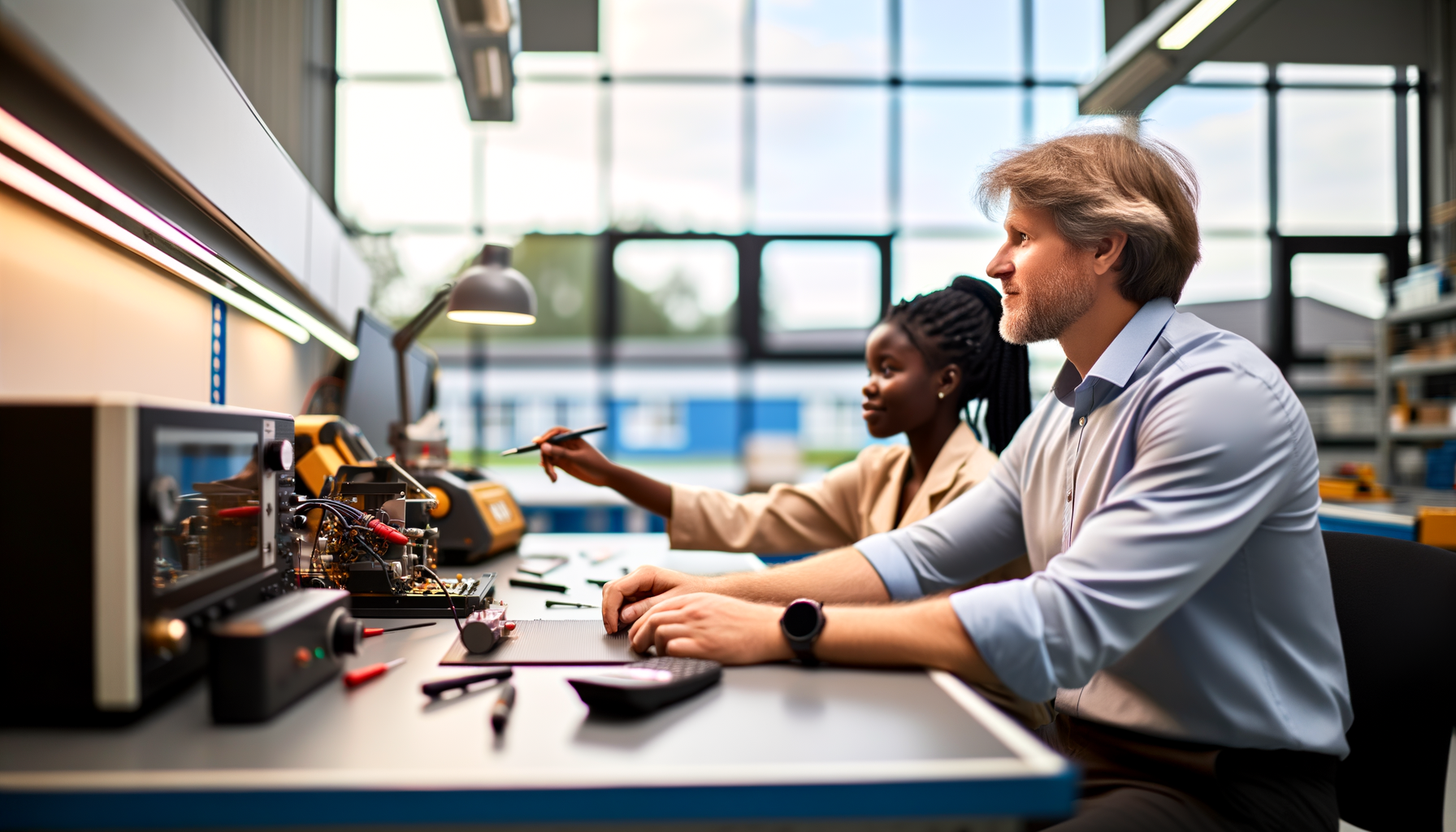
It used to be you learned engineering in college, landed a decent job, and then just got better at the same things over time. Now? Not so much. Engineering technology advancements are changing jobs way faster than anyone signed up for. One day you're working on blueprints, the next you're learning how to use a robot arm or figuring out a new software that's nothing like what you used last year. It can feel overwhelming. But if you keep up, these changes can make your work more interesting, your career more flexible, and even pay you more. Let's break down what these advancements look like in real lifeand how you can stay ahead.
What's happening with engineering technology, really?
When people talk about advancement, they mean all the new tech showing up at work. We're talking about smart tools, 3D printing, powerful software, and machines that sometimes feel smarter than people. Ten years ago, barely anyone had heard of digital twins or AI-powered CAD. Now, they're pretty standard if you work at a big firm. These new tools help you finish projects faster, make fewer mistakes, and sometimes do stuff that wasn't even possible before. It's not just about machinesit changes the job itself.
- Automated design and drafting software cuts hours or days from your schedule
- Data from sensors let you predict breakdowns before things fail
- Cloud-based platforms mean you can work with teams across the planet
The flip side? You have to keep learning. The rules keep updating. But honestly, that's what sets good engineers apart nowthe ability to pick up new tech quickly.
How do these advancements impact your everyday work?
Let's say you work in civil engineering, building bridges. Used to be, people spent days measuring sites, jotting things down, and hoping they didn't lose the paperwork. Now, drones handle most surveys in an afternoon, and the info goes straight to your laptop.
It's not just about doing things faster. Technology in engineering jobs means you think differently. You'll spend less time on boring, manual stuff and more time solving real problems.
- Less guesswork, because you have more data
- Bigger focus on teamwork, sometimes with people in different countries
- Shorter project timelines, but way more updates to keep track of
If this sounds like more pressure, it can be. But it also means your skills matter more than everif you keep them current.
What new engineering technologies are worth noticing?
It's easy to feel like every week brings another "must-learn" tool. But some trends are sticking around for good reasons. Here are some new engineering technologies you'll see more of:
- 3D printing for parts, like custom gears or even entire building components
- AI-powered analysisfor example, software that checks your code or plans for errors instantly
- IoT and sensors in everything, from engines to roadways
- Virtual and augmented reality, making it possible to "walk through" projects before they're built
Each one changes the way you approach work. If you learn even one of these, you're instantly more valuable to employers. You also make yourself harder to replace.
What mistakes do people make with all this technology?
Here's what most people mess up: thinking the tech alone will fix everything. It won't. If you drop a new tool into a team that doesn't want to use it, nothing changes. Or worse, things slow down.
Some common issues:
- Ignoring training or tutorials, then getting frustrated
- Trying to use too many new tools at once, and not mastering any
- Letting software do all your thinking, so you lose confidence in your own instincts
The best trick? Get good at picking the most useful tech for your specific joband don't be afraid to ask dumb questions while you're learning.
What does the future of engineering look like?
The future of engineering isn't about robots taking over. It's about people who adapt and use new tech to solve old problems in new ways. If you're flexible and willing to learn, you can carve out a niche that's pretty hard to automate.
- Roles will blendsoftware, hardware, design, and project management mix together
- Remote work sticks around, so you can work on projects all over the world (without moving)
- The best-paying jobs go to those who learn new tech ahead of the curve
You'll need to update your resume more often. You'll probably switch job titles a few times. But that's not a bad thingit means more chances to find what you actually love doing.
How can you turn these changes to your advantage?
First, don't ignore change because it's uncomfortable. Nobody likes starting over, but the main keyword hereengineering technology advancementspretty much guarantees you'll need to. Best move? Pick one new tech that interests you each year. Take an online course, watch videos, or ask if you can shadow someone who's already good at it.
- Build a side project using new tools, even if it's small
- Ask about training at workcompanies want employees who grow
- Stay curious, and find others who like trying new ideas
What's in it for you? You make yourself future-proof. You can negotiate better pay. Your work stops feeling stale. Plus, you get the kind of job security that comes from knowing you'll always have something new to offer.
FAQs: Real Answers About Engineering Technology Advancements
- How do engineering technology advancements affect salaries?
Salaries usually go up for engineers who learn new technology fast. Companies pay more when you can use the latest tools or help solve problems no one else can. If you stick to old ways, your pay might stay flator even drop as jobs shift. - What skills are most important for the future of engineering?
Soft skillslike teamwork, good communication, and problem-solvingmatter just as much as technical stuff now. If you can work with new tech and teach others too, you stand out. Being flexible is a must. - Is it too late to switch into a tech-heavy engineering job?
No, it's not too late. Lots of people learn new tech in their 30s, 40s, even later. Start smallpick one tool to master, then add more as you go. Experience counts just as much as fresh tech skills. - What's the biggest mistake engineers make with new technologies?
The biggest mistake is thinking you need to use every new gadget or app. Instead, get really good at a few tools that fit your job best. Don't be afraid to ask for training or helpeveryone starts somewhere. - Do I need an advanced degree to keep up with technology in engineering jobs?
No, you don't need a master's or PhD to stay current. Plenty of short courses, certifications, and even YouTube tutorials can teach you what you need. Sometimes, practical experience matters more than fancy degrees. - Will robots or AI take over most engineering jobs?
Robots and AI will handle boring, repetitive workbut people are still needed to design, supervise, and fix things. If you keep learning and stay curious, you'll always be needed.
If you take one thing from this: don't let technology pass you by. Pick one thing to learn, dive in, and see where it takes your career. You might end up with a job you didn't even know existed a year agoand actually look forward to Mondays.










