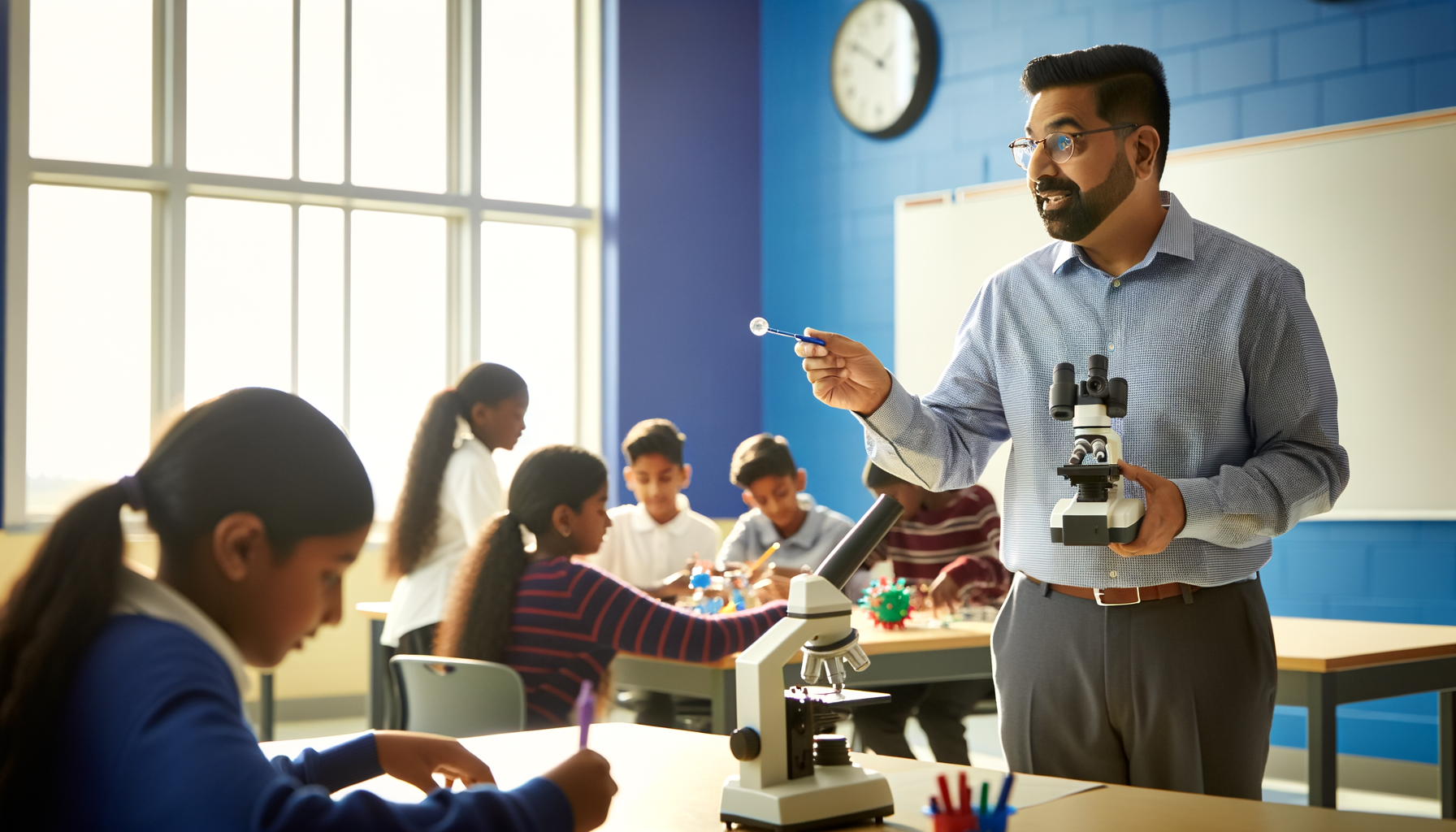
First time I heard the term STEAM, I pictured a science lab packed with test tubes. Thats just part of the story. In a real classroom, it looks like kids huddled around a spaghetti tower, arguing about how to make it stand. You see kids light up when math, art, and engineering all connect. Thats why people talk about STEAM educationbecause classrooms can be more than just desks and worksheets. This isnt just another buzzword. This is about helping students get skills theyll actually use, and it all comes to life in this STEAM education case study. Heres what happens when teachers try it, what trips them up, and what kids really get out of it.
What Is STEAM Education and Why Should You Care?
STEAM stands for Science, Technology, Engineering, the Arts, and Math. Its a teaching approach that mixes those subjects in projects and problem-solving. Instead of teaching each subject by itself, STEAM brings them together. Why? Because life doesnt split things up for you. When kids build a model bridge, theyre using math to measure, science to test materials, art to designits all tangled up.
- STEAM in classrooms lets kids try, fail, and try again. Thats how real learning sticks.
- Its less about memorizing facts and more about thinking and doing.
- Projects feel more like real lifelots of moving parts, no single right answer.
Teachers say their students talk more, argue better, and ask sharper questions when lessons use STEAM teaching methods. You can feel the energy change.
How Did This School Bring STEAM Into Everyday Lessons?
Lets talk about Oak Ridge Middle School. Two years ago, they didnt have STEAM on their radar. Then a team of teachers decided to shake things up. Their first STEAM curriculum example? A Save the Playground challenge. The city said old equipment might be unsafe, so students had one week to design a better playground. Heres how they did it:
- Grouped students in mixed-skill teams
- Laid out real budgets and space limits
- Brought city planners and parents in to judge final projects
- Built prototypes with cardboard, popsicle sticks, and 3D software
- Presented their pitches to the whole school
At first, some kids froze. Theres no way we can do this, said Marcus, a sixth grader. But with each step, they figured it outone team even added a sensory swing after hearing from a classmate with special needs. Thats a win the teachers didnt plan for.
What Did Teachers Learn From Trying STEAM?
Lets keep it honest. Not everything went smooth. Some problems came up, like:
- Getting kids to work together without fighting
- Figuring out how to grade team work fairly
- Running short on time and supplies
- Teachers not sure how to mix art with math projects
But heres what worked:
- Letting students pick some rolesthey owned the project more
- Keeping groups small (3-4 students worked best)
- Making time to reflect after each project, so everyone learned from mistakes
- Bringing in real-world judges kept kids sharpand made it feel important
For teachers, the big aha moment was that kids who usually hid in the back found their voice. Some art-loving students led the design, math whizzes ran the budget, and quieter voices came up with creative solutions. Grading became more about growth, not just right or wrong answers.
What Happens to Students in a STEAM Class? Real Outcomes
The benefits of STEAM education showed up fast at Oak Ridge. Heres what changed by the end of the first year:
- Test scores in math and science went up by 6%
- Students wrote twice as much in their journalsreflecting on both wins and mistakes
- More kids joined after-school clubs, like robotics and art
- Attendance crept up, especially for students who used to be bored or absent a lot
- Teachers reported better teamwork and problem-solving skills
One student said, I used to think I was bad at math, but when we built stuff, it made sense. Thats the magic of mixing subjects. STEAM learning outcomes arent just about grades; they show up in confidence, curiosity, and kids sticking with hard problems without giving up.
Is STEAM a Magic Fix? Heres What Might Trip You Up
Lets be clearSTEAM isnt a magic fix for every classroom problem. Heres what can go wrong:
- Supplies can run out fast. Cardboard seems endless until you need it for twenty teams.
- Planning is harder than it looks. You need backup plans and lots of flexibility.
- Some students dont love group work at first, especially if theyre shy.
- If the project doesnt connect with kids real interests, it can flop.
- Parents sometimes worry that fun projects mean less serious learning.
If youre a teacher or parent, talk it through first. Your school doesnt need fancy equipment to try STEAM. It starts with asking, How can we solve this together? and building from there.
What Makes a STEAM Project Actually Work?
Not every STEAM lesson hits the mark. Here are the ingredients that made Oak Ridges projects stand out:
- Real-world problemsstuff that matters to the students
- Open-ended challengesno single answer, lots of ways to win
- Mixing up group roles so everyone gets a turn to lead or support
- Short check-ins from teachers instead of endless instructions
- Time for sharing mistakes and what could be better next time
The best projects felt like a puzzle. Each person brought a piece, nobody had it all figured out, and thats what made it fun (and sometimes messy).
How Can You Start With STEAMEven If Youre New?
You dont need to be a tech whiz or art star to try STEAM. Start small. Pick a question or problem and let kids try to solve it together. Here are some easy ways in:
- Build bridges from straws and test which holds more weight
- Design a mural based on math patterns
- Create miniature wind turbines from recycled bottles
- Plan a lunch menu with healthy options and a real budget
If a project flops, thats normal. Kids learn fast that failure is just a sign to try something else. What matters is giving students the space to connect the dots and keep going, even when it gets tough.
Why Bother? The Real Value of STEAM in Classrooms
Heres the core truth: jobs and life in general dont care about subject lines. Whether a student becomes an engineer, artist, chef, or coder, theyll need to work through weird problems, speak up, and ask smart questions. STEAM teaching methods help get them readynot just for tests, but for everything else that comes after.
If you want classrooms where kids are excited, thinking for themselves, and actually remember what theyve learned, STEAMs worth a shot. You dont have to change your whole curriculum overnight. Even one project can spark things youll remember for years (just ask the Oak Ridge kids who designed a playground).
Try it. Watch what happens when you let students solve real problems, work together, and learn by doingnot just listening. Thats what this STEAM education case study proves best.
FAQs About STEAM Education
- Q: What does STEAM stand for, and whats the point?
A: STEAM stands for Science, Technology, Engineering, Arts, and Math. The idea is to mix these subjects in real-life projects, so kids can learn how to use them together. It helps them think in new ways, not just memorize facts. - Q: Can you do STEAM lessons without fancy equipment?
A: Yes. Most STEAM in classrooms uses easy stuffcardboard, tape, markers, or recycled things. The point is to get creative and use what you have. Dont worr if you dont have computers or 3D printers. - Q: What are some examples of STEAM curriculum projects?
A: Good STEAM curriculum examples include building model bridges, designing playgrounds, making art from math patterns, or solving problems like how to save energy at school. The best projects solve a real problem and use more than one subject together. - Q: How do STEAM teaching methods help kids later in life?
A: These teaching methods help kids work in teams, think outside the box, and stick with problems until they figure them out. Those are skills people need for any jobnot just science or math careers. - Q: Are there any downsides to STEAM learning?
A: The biggest challenge is sometimes projects take more time or supplies than planned. And group work can be tough for shy students. But with support, most students grow more confident and learn to handle these challenges. - Q: What outcomes should parents or teachers watch for in a STEAM class?
A: Look beyond grades. Youll see students talking more, working together better, and not giving up as fast. STEAM learning outcomes show up in the way kids solve problems, help each other, and share their ideas.