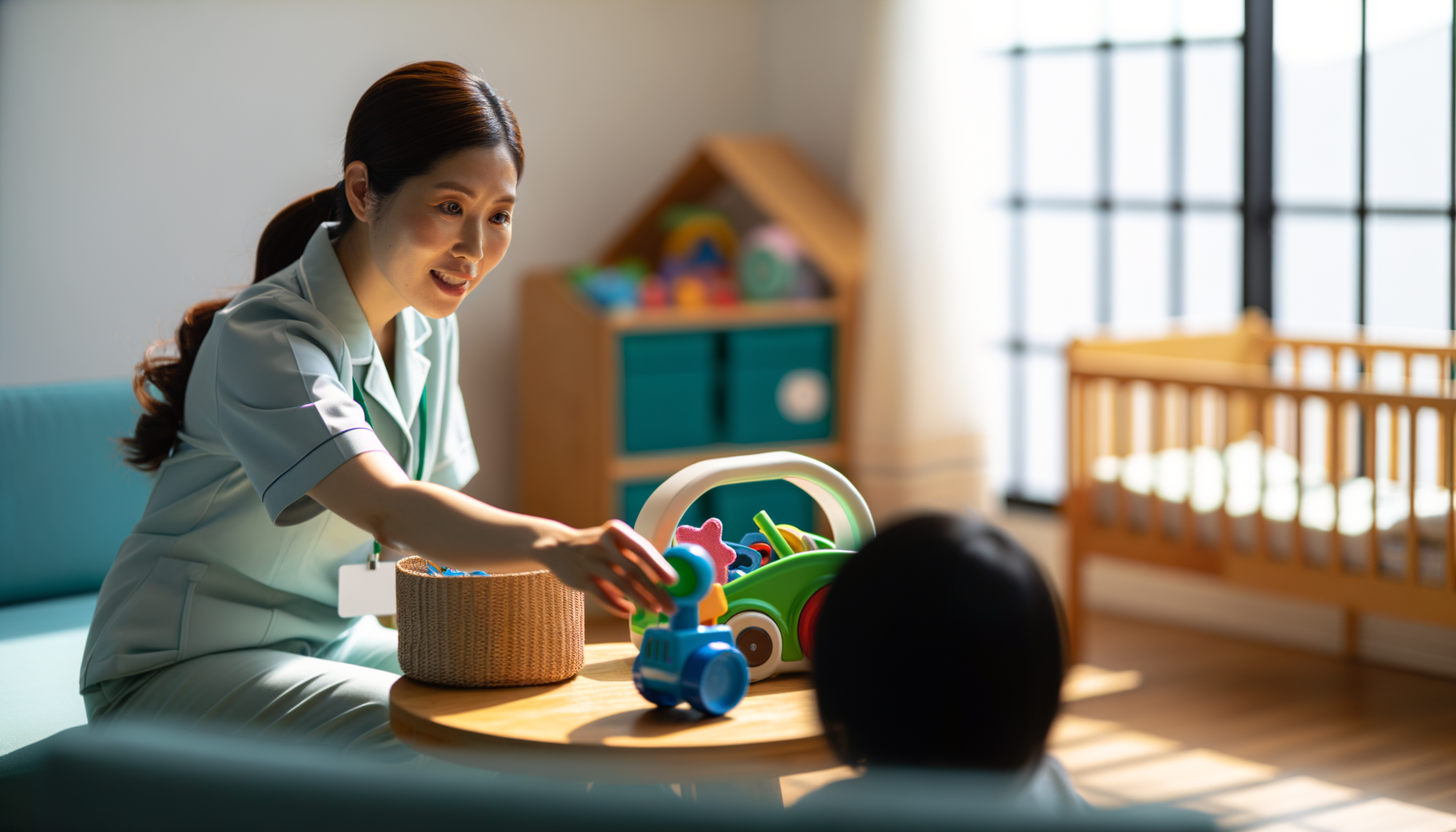
If you've ever walked into a childcare center and wondered why it smells like bleach or why so much stuff is thrown away, you're not alone. Lots of parents, teachers, and center owners are thinking the same thing. Sustainable childcare policies aren't just a buzzwordthese choices impact budget, health, and the example we set for kids. The good news? You don't have to be an activist or a scientist to make greener choices that really stick.
What Are Sustainable Childcare Policies?
Sustainable childcare policies are the rules and routines that help a childcare center run in a way that's good for the planet, smart for the budget, and healthy for the kids. This can be as simple as switching to reusable items, cutting down on single-use plastics, or using less toxic cleaning stuff. The goal is to create a place where kids learn, play, and grow up with the idea that taking care of the earth is just what we do.
Why Do Sustainable Childcare Policies Matter?
Kiddos are like tiny spongeswhat they see, they soak up. If a center wastes a lot, uses throwaway items, or burns through energy, that becomes normal to them. Flipping the script shows them better habits for life. Plus, eco-friendly childcare usually means fewer harsh chemicals, less waste, and a healthier space for everyone. And let's be real: it often saves money in the long run.
- Less waste means lower trash bills
- Reusable items don't need to be bought over and over
- Simpler supplies often cost less
What Does Eco-Friendly Childcare Look Like Day to Day?
Eco-friendly childcare isn't about perfection or going zero-waste overnight. It's about making small, steady changes, like using rags instead of paper towels or offering water bottles the kids refill instead of juice boxes. It's running things so dollars go further and you use less stuff without making things harder for staff or families. When kids see recycling bins or get to help in a garden, they're learning real-life skills.
Green Childcare Practices That Actually Work
- Choose reusable plates, cups, and cutlery instead of single-use plastics
- Use natural light as much as possible to cut back on electricity
- Start a simple recycling systemeven bins for paper and plastic matter
- Grow herbs or easy veggies outside, and let the kids help
- Opt for non-toxic cleaning supplies to make the air safer
- Encourage families to send lunches in reusable containers
Making Childcare Sustainability Strategies That Stick
So many plans look good on paper but don't work in the real world. The trick is to get everyone on board and start with what feels doable. Try out one change a month. Maybe it's turning off classroom lights when you're out, or making art projects with stuff headed for the recycling bin. The first time you switch to reusable wipes, someone might grumble about laundrytotally normal. Set up a clear routine so nobody has to guess what goes where or how to keep things running. Celebrate wins and tweak what doesn't work.
Biggest Mistakes When Starting Sustainable Policies
- Trying to do everything at once (burnout alert!)
- Not getting staff or parents involved
- Buying expensive 'green' stuff you don't need
- Skipping trainingpeople need to know the why and how
- Giving up after one setback (it happens to everyone)
Here's a tip: the best changes are often the simplest. One director I know swapped out single-use snack pouches for fruit and washable bowls. Less trash, less fuss, and the kids barely noticed.
How to Get Families and Staff Involved
Pushing new policies without buy-in is a recipe for eye rolls and backsliding. Instead, invite feedback. Maybe run a quick survey: What are you already doing at home? What feels impossible? You might be surprised at how willing people are to pitch in when they understand that sustainable childcare isn't about judging parentsit's just about making things easier and healthier for everyone involved.
- Hold a 'green day' where everyone brings lunch in reusable containers
- Share simple sustainability tips in newsletters
- Let kids decorate the recycling bins
- Give staff a heads-up and training before changes roll out
Budget-Friendly Ways to Go Green at Your Childcare Center
Worried about cost? You don't need fancy compost bins or solar panels to make progress. Start with what you can control. Buy in bulk, split supplies with nearby centers, or order natural cleaners (they last longer than you think). Use both sides of paper. Make your own playdough instead of buying plastic tubs.
- Reuse cardboard for crafts
- Organize a swap for gently used toys or books
- Ask local businesses for leftover office supplies
- Coordinate carpool days for staff
Even tiny tweaks add up over a year. And when kids see grownups making these choices, it sticks with them.
What Happens When You Don't Prioritize Sustainability?
Honestly, nothing falls apart right away. But over time, you'll notice higher supply and trash costs. The center might go through more cleaning chemicals, and you may get questions from parents who care about green childcare practices. Most importantly, kids miss out on learning simple habits they could carry through life. There's also a riskschool systems and parents are starting to expect greener choices, and centers that don't adjust could get left behind.
Real-World Example: One Step at a Time
One provider shared their journey: The first attempt at recycling flopped because nobody labeled the bins. So, the director drew pictures for each bin and let kids vote on the pictures. Suddenly, everyone wanted to recycle. Next, they tackled nap matsthey switched to mats with washable covers and saved over $300 a year just on disposables. None of it happened overnight, and a few things failed before they stuck. But progress, not perfection, is what matters with environmentally conscious childcare.
Takeaway: Start Small, Dream Big
Sustainable childcare policies don't have to be expensive or hard to pull off. Pick one area to tackle first. Make it a game or a challenge for your team. Track what works and share wins with familiespeople love seeing progress (even if it's just less trash at snack time). In the end, it's about raising kids who care about the world and creating a healthier place for everyone right now. You don't need a PhD in environmental science; you just need to care.
FAQs
- What are the easiest sustainable childcare policies to start with?
Start with simple changes like recycling paper, switching to reusable snacks and drinks supplies, and using less harsh cleaning products. These steps are quick wins that get people used to the idea without overwhelm. - How do I talk to parents about green childcare practices?
Keep it super direct and positive. Tell families how the changes will help their kids stay healthy and save money for fun stuff. Give updates in newsletters and invite feedbackthey're probably trying to do the same things at home. - Does going green always cost more?
Nope. Lots of eco-friendly childcare practices actually save money over time. Buying less stuff or reusing supplies takes a little planning but pays off quick. Dont jump for pricey "green" brands. Many changes are about buying less, not more. - What if staff aren't on board with sustainability?
Ask for their ideas before rolling out anything major. Most staff want routines to be easy. Give them reasons and training, not just new rules. And don't forget: everyone needs time to adjust, so go one step at a time. - Can small centers make a real difference with childcare sustainability strategies?
Absolutely. Small places can change faster because fewer people need to agree. Every bit helps, and small centers ca try new things easily, find what works, and help others in the community do the same. - Whats a common mistake when starting eco-friendly childcare changes?
Trying to do everything all at once. It's better to pick one thing, do it well, and then tackle the next. Little steps make big habitsboth for grownups and kids.