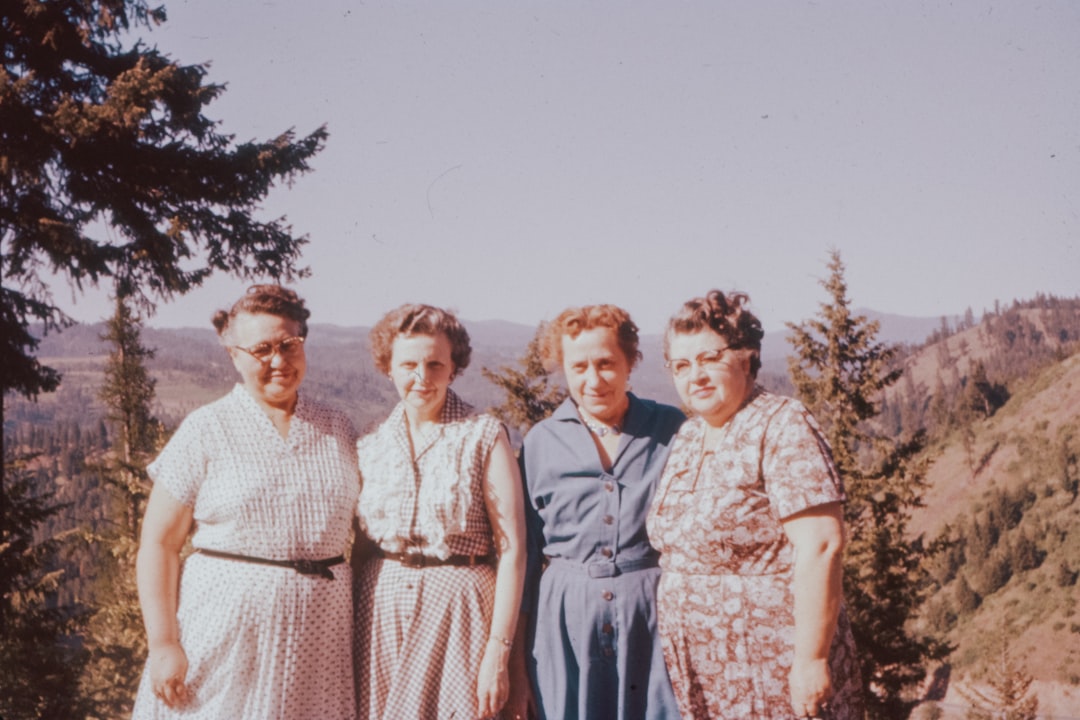
Being a woman in the Great Depression meant dealing with crisis daily, usually with a brave face and a secret stash of tricks to get by. No one put their pain online, no one talked about how close to the edge things got. If you ask the women who lived through it, most wont tell you muchthey learned early that talking wasnt as useful as figuring it out themselves. But that doesnt mean they didnt have stories or secrets. These are the things most people never knew about what women actually did to survive, keep families together, and hang onto hope when money and food ran short.
What Did Daily Life Really Look Like for Women in the Great Depression?
Every day started earlybecause the work never ended. For most women, this meant scraping together meals from almost nothing and stretching every penny. Women in the Great Depression ran homes on next to no money. They patched socks, reused tea bags, and found ways to keep kids fed even if it meant eating less themselves.
- Turned old clothes into new outfits
- Turned gardens and empty lots into food patches
- Swapped skills with other women (baking for mending, for example)
- Invented games for kids with whatever was lying around
The point: resourcefulness wasnt a choiceit was survival. It still stings to hear the older generation say, 'We made do.' Behind that phrase is a whole world of hidden worry and genius solutions.
What Were Some Hard Decisions Women Faced?
If you think making choices is tough now, these women had to pick between paying rent and buying medicine, or deciding between sending kids to school with shoes or with lunch. Many women took on whatever jobs they could findlaundry, cleaning, factory work, or even taking in boarders. In some cases, they hid the fact they were working. The pressure to stay 'respectable' when times were hard weighed heavy. One woman admitted later that she cleaned offices at night so her neighbors wouldnt see her and gossip.
How Did Women Support Each OtherAnd Why Didnt They Talk About It?
While movies and books paint the era as lonely, womens roles in the 1930s often meant leaning on each other. Whether it was borrowing sugar, pooling cash for groceries, or trading tips, women found strength together. Why the silence? There was a lot of shame around needing help. Talking about going hungry or not having enough wasnt 'proper.' So secrets stayed secrets to protect pride.
- Churches and womens groups quietly gave out food
- Informal babysitting swaps kept jobs possible
- Handwritten notes passed recipes and encouragement
The big takeaway: womens experiences during the Great Depression were backed by quiet networks. The louder stories belonged to headlines, but the day-to-day heroics stayed private.
What Did Women Sacrifice That We Dont Think About?
It wasnt just about doing without stuff like new dresses or birthday cakes. It was having to sell treasured heirlooms, miss out on schooling, or give up dreams for themselves. Womens struggles in the Great Depression meant saying no to what they wanted, again and again, so someone else could have enough. My grandma once admitted she gave her wedding ring to the pawnshop twiceand nobody ever knew but her.
- Cut their own hair instead of seeing a barber
- Went barefoot at home so kids could wear shoes to school
- Skipped meals and said they werent hungry
- Stitched old flour sacks into curtainsor dresses
This quiet giving was baked into daily life, not something anyone bragged about.
How Did Women Handle the Stressand What Coping Tricks Did They Keep Secret?
No one used the word 'anxiety' much, but worry was there all the time. Some women coped by writing in secret diaries, others by singing while they worked. Many turned to humor. One story passed down in my family is about two sisters who kept a 'fancy' teacup reserved for imaginary guest royaltyjust to keep their spirits up on the worst days. The teacup never got used, but it lived on the shelf and gave them something to giggle about.
- Took a few moments for themselves late at nightwhether that meant a bath or a good cry
- Kept photos of happier times as reminders
- Said prayers out loud, sometimes just to hear a friendly voice
Coping wasnt about big gesturesit was tiny rituals that made them feel in control, at least for a bit.
Why Aren't These Stories Better Known?
Many stories got lost because nobody thought ordinary lives mattered. Plus, women didnt write memoirs or give interviews. They kept it all close. The focus was on survival, not on telling a story. Even now, when we hear about womens history in the 1930s, most of it comes secondhand. But if you listen to those who remember, youll get flashes of what really happenedjust enough to see these womens struggles, and their strength, were anything but ordinary.
Big Lessons from Womens Secrets in the Great Depression
The real secrets werent recipes for soup or how to darn a sockthey were the ways women found hope and kept families going. If theres something we can carry forward, its this:
- Ask for help when you need itsomeone else probably needs it too
- Small acts of kindness ripple out further than you think
- Take pride in creative solutions, not just big wins
- Share your real storysomeone else will benefit
They didnt leave us with manuals. They left lessons, hidden in the stories they barely ever told.
FAQs About Women in the Great Depression
- What jobs did women normally do during the Great Depression?
Most women took on cleaning, laundry, sewing, or worked in factories. Some started small home businesses like baking or babysitting. Factory jobs paid little, but even a few extra pennies helped keep food on the table. - Were women allowed to work outside the home?
Yes, but it wasnt simple. Many people felt women should stay home, so working women sometimes faced judgment. However, necessity meant lots of women ignored those opinions and worked anyway to provide for their families. - Did women go to school or college in the 1930s?
School was common through middle or high school, but few women could afford college. Many left school early to help support the family. College for women was rare and considered a luxury for most. - How did women keep their families healthy with so little food?
They got creativestretching meals with beans, bread, and garden veggies. Meat was a rare treat. Mothers often ate less so kids could have enough. Home remedies and herbal solutions took the place of expensive medicine. - What were the hardest parts for women to talk about afterwards?
A lot of women never shared how bad things gotlike skipping meals, selling family heirlooms, or hiding tears from their kids. These stories stayed quiet so the next generation wouldnt feel ashamed or scared. - Did womens experiences in the Great Depression change how they raised their kids?
Yes. Many taught their kids to save, work hard, and appreciate what they had. The lessons about money and making do came from living through tough timesand those lessons shaped families for decades after.