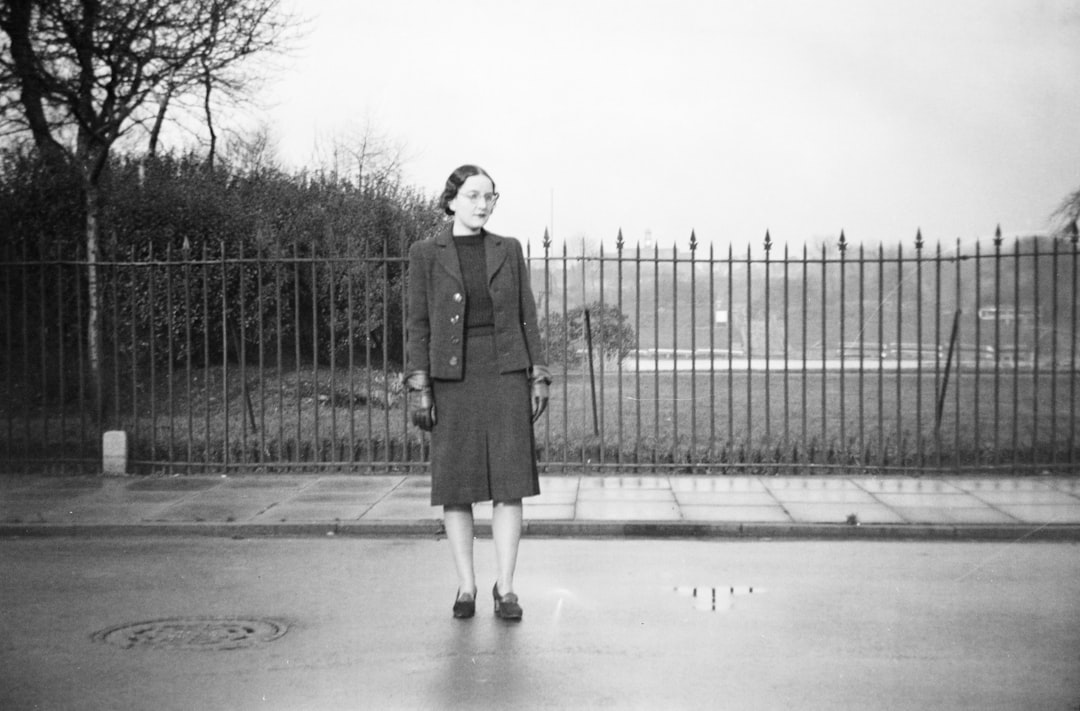
Every family in the 1930s felt the bite of the Great Depression, but for women, especially mothers and daughters, survival was more than just scraping by. When paychecks vanished and food went scarce, women stepped up in ways most of us today rarely hear about. Their brand of resilience wasn't loud or flashyjust steady, creative, and flat-out tough.
This isn't another sad history lesson. You're about to see how the grit of those women didn't just help them get byit helped them thrive. Whether you're curious about family stories or looking for some never-give-up energy, these real-life examples of women's resilience during the Great Depression show exactly what it means to keep going when times get ugly.
What Was Life Like For Women in the Great Depression?
Back then, daily life was survival mode. Men lost jobs, but women lost security at home and in the wider world. Breadwinners suddenly became jobless. Moms turned into magicians, stretching one meal into two days or sewing old clothes into new hand-me-downs.
Women in the Great Depression faced tough choices. Some found jobs in factories, as maids, or took on laundry for wealthier neighbors. Others held their families together with little more than hope. Work was hard to come by and pay was low, but giving up wasn't an option.
- Meal planning felt like a puzzleuse everything, waste nothing
- Homemade soap and clothing became the norm
- Neighbors swapped goods and skills because money was scarce
If you've ever had cereal for dinner nights, multiply that times a hundred and you'll get the picture.
Why Did Female Strength Make Such a Difference?
The obvious answer: women kept households running. But their female strength in the 1930s went further. Kids learned by watching how moms found a way, even when the cupboards were empty. Daughters saw the power in getting creative, whether blending garden weeds into soup or turning flour sacks into dresses.
Resilience was passed down. It wasn't about ignoring feelingsthere were plenty of tears and worries. But strength showed up daily in action, not just words.
- Teaching children patience and hope (without sugar-coating)
- Finding work, even if it meant breaking women's roles of the time
- Sharing what little you had with neighbors worse off
Heres where the real lesson comes in: The women who thrived didn't wait for a rescue. They built their own.
How Did Women Adapt Their Roles During the Great Depression?
In the 1930s, women didn't just accept new jobsthey created them. Some started backyard gardens or took in boarders to make extra cents. Others organized church groups to set up soup kitchens. Women's roles during the Great Depression got rewritten, sometimes overnight.
If a husband went hundreds of miles searching for work, the wife became head of the household. She fixed broken shoes, planted gardens in dusty yards, and weathered every storminside and out.
- Community canning bees turned gardens into hundreds of jars of food
- Homemade toys kept kids happy when pennies were tight
- Spare bedrooms morphed into rental rooms for travelers or workers
If you ever think you can't pick up a new skill, remember these women learned carpentry, farming, sewing, and businessbecause no one else was going to do it for them.
What Survival Strategies Helped During the Depression Era?
Women's survival strategies during the Depression era came down to quick thinking, sharing, and making the most of every scrap. Whether a farm wife on the prairie or a big-city single mother, most women started with almost nothing.
Here are a few go-to tricks:
- Watered-down soups stretched meals, but still felt filling
- Patchwork quilts recycled fabric from worn-out clothes
- Home gardens and foraginganything to fill the pantry
- Bargaining skillstrade eggs for milk, sewing for bread
- Kitchens doubled as home businesses (baking, sewing, mending)
The takeaway? When you have less, your creativity actually grows. It's about making the best of what you have, not wishing for what you don't.
What Could Go Wrong (And Did)?
Not every story had a bright side. Some plans floppedgardens failed after droughts, jobs disappeared overnight, and sometimes the help you gave a neighbor left you struggling. There were arguments, burned dinners, tears at the end of the day. Not every woman found her inner superhero. That's real life.
The strength here? Even in defeat, these women tried again the next morning. That kind of spirit outlasts any crisis.
What Can We Learn From Women's Resilience During the Great Depression?
If you're ever facing a tough patchlost job, smaller paycheck, too many billsits totally okay to feel stuck. The women who survived (and thrived) in the Great Depression felt stuck too, but they took small steps every day. They got scrappier. They leaned on neighbors. They admitted when they needed help, and they reinvented themselves without waiting for permission.
- Adaptability beats perfectionlearn as you go
- Community mattershelping others helps you too
- It's fine to failjust don't quit after
- Being strong doesnt mean not being afraid
Think of it this way: resilience is a skill, not magic. It can be learned, practiced, and passed on (just like those Depression-era recipes and stories).
FAQs About Women's Resilience and Roles in the Great Depression
- What jobs did women usually have during the Great Depression?
Women often worked as maids, cooks, and laundry workers. Some found jobs in factories or as teachers and nurses if they were lucky. Jobs paid little, but every bit helped support families when men's work dried up. - How did families survive on so little money?
They made every dollar and scrap stretch. Women would trade goods, grow home gardens, and reuse everything. Creative meals, hand-me-down clothes, and doing extra jobs at home were normal ways to save money and keep everyone fed. - Did women protest or organize during the Depression era?
Yes. Some joined marches or labor strikes to fight for better pay and working rights. Others set up support groups or women's clubs to share tips and resources. Their organizing helped plant seeds for changes in women's rights later on. - Were women really the "backbone" of Depression-era families?
Definitely. While men looked for jobs, women kept families together, managed home life, and picked up whatever work they could. Their resilience and problem-solving truly held families and communities together. - What are some lessons modern families can learn from these women?
Don't be afraid to ask for help, get creative with what you have, and remember community counts for a lot. Small steady steps, shared struggles, and staying hopeful make a tough time easier for everyone. - Did the Great Depression change what people thought women could do?
Yes, big time. After seeing women take charge at home and work, lots of people realized how strong and capable women were. It started a long slow change in how society recognized women's roles and rights.
If you ever wonder if you have what it takes to get through something hard, rememberyou come from a long line of survivors. Take it one step, one day, one honest effort at a time. Youre stronger than you think.