Why Sell Vintage Items? Your Old Stuff Could Mean Big Bucks
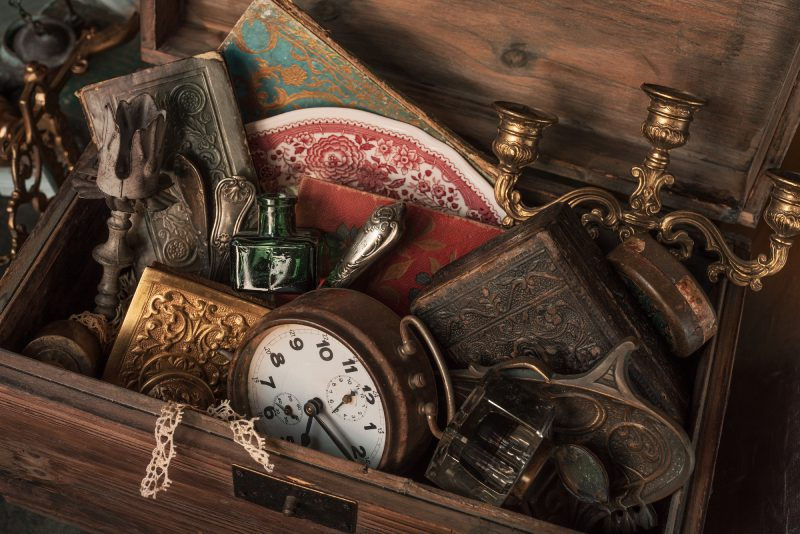
If you've ever cleaned out an attic or picked through a box from grandma, you've probably wondered, 'Is this old thing worth anything?' Turns out, the vintage collectibles market is booming. People are willing to pay surprising amounts for what you might see as junk. Maybe it's trendy '90s toys, classic comics, or even a slab of Pyrex. Selling antiques online is a way to turn nostalgia into real cash.
What Sells Best? Vintage Items Buyers Want Right Now
- Retro electronics: Think record players, boomboxes, or Game Boys.
- Mid-century furniture: That simple wood coffee table? It can be a star in the right market.
- Vintage clothing and sneakers: Some old T-shirts or Nikes are pure gold online.
- Collectible toys: Hot Wheels, action figures, and Barbie dolls from decades ago.
- Rare books and vinyl records: Some first editions and albums can fetch hundreds or more.
You get the idea. Basically, if people remember it fondlyor its hard to findit might sell. Start by checking your closets, attics, and local thrift stores.
How to Price Vintage Items Without Getting Burned
Pricing vintage stuff feels like a guessing game, but theres a system. Heres what actually works:
- Research: Search for similar items on major selling sites. See what people actually paidignore wild asking prices.
- Condition is king: Scratches, stains, or missing pieces? Value drops fast. Perfect shape? Price goes up.
- Rarity and demand: Is this item one of a kind, or do a dozen pop up every week?
- Sentiment doesnt add value: 'Belonged to my uncle' isnt a price booster unless your uncle was a rock star.
The first time I sold a teapot, I wanted $100 because it felt special. It went for $12. Lesson learned. Let the market guide your price, not your gut feelings.
Where to Sell Vintage Items and Find Serious Buyers
Here's what works and what doesnt when deciding where to sell vintage items:
- Online marketplaces: Sites dedicated to vintage, established auction platforms, and mobile selling apps all workbut check fees and audience first.
- Local shops/weekend markets: Great for furniture, some clothes, or heavy stuff you dont want to ship. Always ask the shops cut.
- Social media groups: These can be goldmines if you follow group rules and avoid scammers.
- Garage and estate sales: Fast sales, but usually lower prices. Good for clearing out lots fast.
Big mistake: Listing everywhere at once and not tracking offers. Stay organized, or youll end up double-selling or missing messages.
Photos and Descriptions That Actually Help You Sell
Photos matter more than you think. Bad lighting makes cool stuff look gross. Heres a quick guide:
- Shoot in natural light on a clean surface
- Show all anglesincluding flaws or marks
- Add something for scale (a coin, ruler, etc.)
For descriptions, skip the long stories. Focus on:
- Who made it and when (if you can)
- Exact measurements
- Condition, including any issues
- Why someone would want it (using phrases like 'rare,' 'retro,' or 'collectors item' if they fit)
The right photos and words set real expectations. Youll get better buyers and avoid headache returns.
Common Mistakes People Make Selling Antiques Online
- Guessing prices: Always research recent sales.
- Ignoring shipping: Factor in costs, weight, and packing. Some stuff just isnt worth the mailing hassle.
- Overhyping condition: If theres a crack or scratch, say so. Hidden flaws come back to bitehard.
- Using one blurry photo: Take clear, honest pics. Low effort, low trust.
My first online sale almost tanked because I lowballed shipping and made no profit. Lesson: Know your numbers.
Getting Paid and Staying Safe
So, you found a buyer who loves your vintage lamp. How do you make sure you actually get paidand dont get stuck with a scam?
- Use trusted payment platforms with seller protection.
- Document the sale and keep shipping receipts.
- If someone offers double asking price for your 'rare' item but wants to move the deal off the site, that's a red flag.
Stay alert. Most buyers are good people, but scams do happen. Trust your gut and dont rush.
Ready to Sell? Here's Your Step-By-Step Checklist
- Pick a few items you want to sell
- Research their online value
- Clean and photograph each one
- Write a straight-to-the-point description
- Choose your selling platform
- List the item, watch for questions, and be friendly
- Pack and ship carefully when sold
You dont have to do it perfectly. You can tweak as you go. The trick is to startwealth starts with that first item out the door!
FAQs
- Where's the best place to sell vintage items?
Online marketplaces are the most popular for reaching tons of buyers fast. For big stuff like furniture, try local shops or markets so you don't deal with crazy shipping. It's smart to compare a few spots and see which gives you the most views and best deals. - How do I figure out what my vintage collectibles are worth?
Search recent sales for your exact or similar items. Ignore asking pricesfocus on what people paid. Double-check condition and any special markings. If it's tricky, try getting a quick opinion from a local antique dealer. - Can I sell antiques online if I don't know much about them?
Yes! Many people start with zero knowledge. Look up what you have, read similar listings, and describe honestly. If you get stuck, ask online groups for help. You'll get better as you goeveryone starts somewhere. - Is it safe to sell vintage stuff online?
It's pretty safe if you use trusted platforms and follow the rules. Watch out for weird payment requests or buyers pushing you off the site. Keep records of your sales and always pack items well to avoid returns. - What should I do if my vintage item won't sell?
First, check your pricemaybe it's too high. Update your photos and description if they're confusing or blurry. Try a new selling platform or market, and dont be afraid to ask for opinions in collector groups. Sometimes, patience pays off! - Do I have to pay taxes on money from selling vintage collectibles?
If you make a lot of money or run it like a business, you might need to report it. One-time sellers usually don't have to worry much, but check your local rules or talk to a tax pro to be sure.
Start small, learn as you go, and you'll get better (and richer) with every sale. Your attic could be your next paycheck.